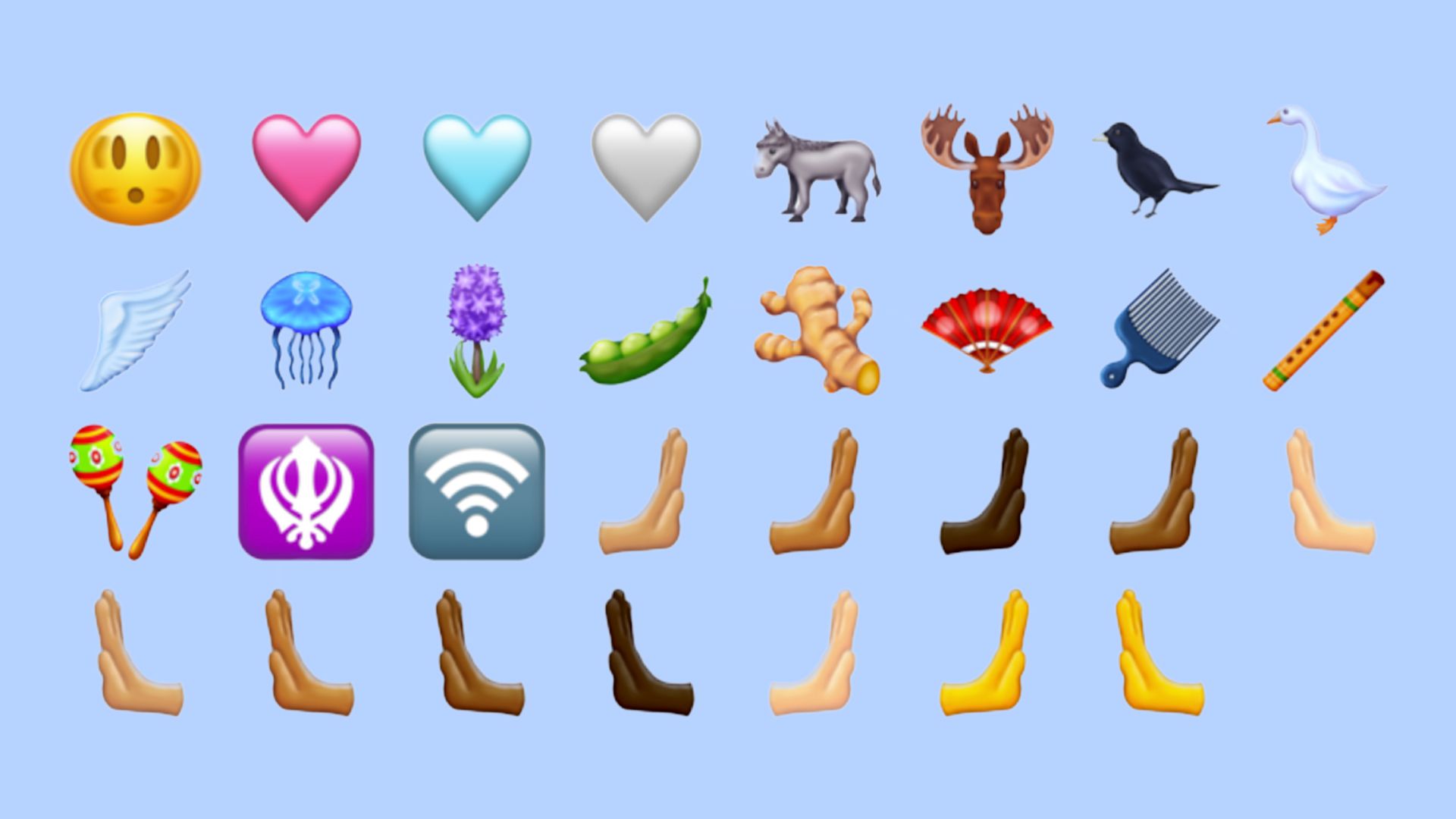
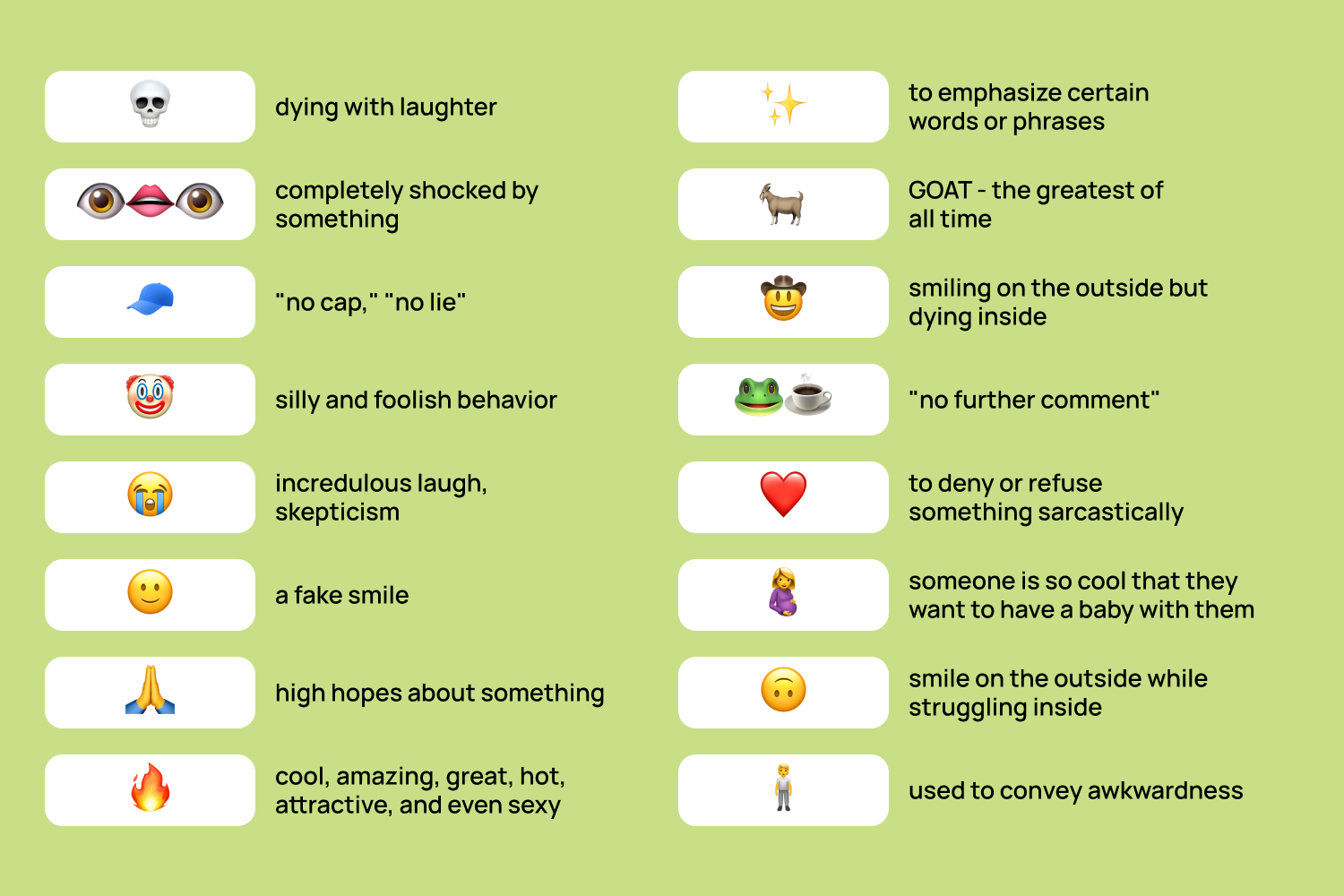
An emoji is a standardized digital pictograph used to supplement text in electronic communication. Ranging from facial expressions and physical objects to symbols and flags, these characters function as a non-verbal language layer. They are governed by the Unicode Standard, ensuring that a character sent from one device or operating system renders consistently on another.
The Definition and Origin of Emojis
The word "emoji" is a portmanteau of the Japanese characters e (picture) and moji (character). While often confused with "emoticons"—which are emotional representations created using standard keyboard punctuation like colons and parentheses—emojis are distinct, pre-rendered graphical characters.
The conceptual origins of the emoji date back to the late 1990s in Japan. Shigetaka Kurita, working for the mobile operator NTT DoCoMo, developed the first set of 176 12x12 pixel icons to facilitate simple, concise communication on early mobile internet platforms. These early designs focused on weather, food, and basic human emotions. As mobile technology expanded globally, the need for a unified system became apparent. In 2010, the Unicode Consortium officially incorporated emojis into the Unicode Standard, the universal computing language that allows computers to process text in any language.
How Emojis Work: The Unicode Standard
At the technical level, an emoji is not just a JPEG or a PNG file sent between users. Instead, when you select an emoji on your keyboard, you are transmitting a specific Unicode character code.
Every emoji has a unique hexadecimal code point. For example, the "grinning face" emoji corresponds to the code point U+1F600. When your device receives this code, it consults its internal font library—a collection of graphic files created by your device's manufacturer—to display the visual icon associated with that code.
This is why emojis may look different across platforms. An Apple iPhone, a Samsung Galaxy, and a Windows desktop might display the same code point with slightly different artistic styles, colors, or shadows. Despite these aesthetic variations, the fundamental meaning remains consistent because the underlying data is standardized.
Categorization and Diversity
Emojis are organized into specific categories by the Unicode Consortium, which manages the evolution of the standard. This structure ensures that users can navigate thousands of symbols efficiently. The primary categories include:
- Smileys and People: Facial expressions, body parts, and human activities.
- Animals and Nature: Fauna, flora, and weather patterns.
- Food and Drink: Fruits, vegetables, prepared meals, and beverages.
- Activities: Sports, hobbies, and musical instruments.
- Travel and Places: Modes of transportation, buildings, and geographic landmarks.
- Objects: Household items, office supplies, and technological devices.
- Symbols and Flags: Mathematical symbols, arrows, religious symbols, and the flags of nations and regions.
A significant development in emoji history was the implementation of "modifiers." Since 2015, the Unicode Standard has allowed for skin tone variations. By appending a specific hidden character to a base human emoji, the system generates a version with a different complexion. This technical capability moved the emoji set toward greater representational inclusivity, reflecting a global user base.
Technical Challenges: Compatibility and Updates
Because emojis depend on the operating system's internal font library, users of older hardware or outdated software may occasionally encounter a "broken" emoji. This often manifests as a hollow square or a "tofu" block (the informal nickname for the empty box character). This happens when a newer emoji is sent to a device that does not yet recognize that specific Unicode code point.
The Unicode Consortium releases new emojis annually. However, there is a delay between a new emoji being announced, it being integrated into the Unicode standard, and software developers (like Apple, Google, or Microsoft) updating their device firmware to support the new character. Users who maintain up-to-date operating systems rarely face this issue, as most modern platforms prioritize frequent emoji set updates to maintain parity across the digital ecosystem.
Comparison: Emojis vs. Emoticons vs. Stickers
To fully understand emojis, it is helpful to distinguish them from other common forms of digital expression.
| Feature | Emoji | Emoticon | Sticker |
|---|---|---|---|
| Composition | Unicode character | Punctuation/Symbols | Custom image file |
| Standardization | Universal (Unicode) | None (User-defined) | Platform-specific |
| Scalability | Resizes like text | Resizes like text | Fixed dimensions |
| Portability | Works across apps | Works anywhere | Limited to specific apps |
Emoticons are limited by the available characters on a standard QWERTY keyboard. Stickers, conversely, are often large, high-resolution graphic files that do not rely on text encoding. They are typically proprietary to a specific messaging application (such as LINE, Telegram, or WhatsApp) and cannot be copied and pasted as text into other programs.
Why Emojis Matter in Digital Communication
Emojis serve several critical functions in human-computer interaction. First, they provide "paralinguistic cues"—the digital equivalent of tone of voice, facial expressions, and body language. In text-based communication, which lacks physical cues, emojis prevent ambiguity by clarifying the intent behind a sentence. A message that might seem sarcastic or aggressive in plain text becomes clearly friendly when paired with a "smiling face" emoji.
Second, emojis bridge language barriers. A simple "thumbs up" or "heart" icon is globally understood, allowing users who do not speak the same language to share sentiment and confirm understanding. This universal nature has made emojis a cornerstone of modern social media, corporate marketing, and interpersonal communication.
Troubleshooting Missing or Incorrect Emojis
If you find that an emoji is not displaying correctly, consider the following technical troubleshooting steps:
- Check System Updates: Ensure your smartphone or computer is running the latest version of its operating system (e.g., iOS, Android, or Windows). System updates almost always include the latest Unicode character libraries.
- App Compatibility: Some third-party messaging apps use their own custom rendering engines. If an emoji works in your native SMS app but not in a specific chat app, the issue lies with that application's developer not having updated their software to the latest Unicode standard.
- Font Issues: On desktop operating systems like Linux or older Windows versions, ensure that your default system font supports the "Emoji One" or "Segoe UI Emoji" sets.
- Hardware Limitations: Very old devices may lack the processing power or memory to handle large, updated emoji font libraries. If the issue persists on a device that has not been manufactured in the last five to seven years, it may be a hardware-level constraint.
Frequently Asked Questions
Are emojis considered part of a language? While they do not have a formal grammar or syntax that allows for complex prose, linguists consider them a form of "pictographic supplement." They function as markers of intent, much like gestures in face-to-face conversation.
Can I create my own emojis? You cannot create a official Unicode emoji that will render correctly on everyone else's device. However, you can create custom "stickers" or "memojis" that function within specific applications. To suggest a new character to the Unicode Consortium, one must submit a formal proposal that addresses the character's necessity, expected usage, and visual distinctiveness.
Why are some emojis "yellow"? The default yellow color for human faces was chosen to be neutral and representative of the classic smiley face aesthetic, avoiding the suggestion of any specific race or ethnicity unless a skin tone modifier is applied by the user.
Do emojis count toward character limits? In many modern messaging systems, emojis are treated as surrogate pairs, meaning they may count as two characters toward a total message limit. This is a technical legacy of how Unicode handles characters outside the "Basic Multilingual Plane."
Are emojis legally binding in contracts? Generally, no, but they have been referenced in legal disputes to determine the intent or tone of a communication. Courts may look at the context of an emoji usage to interpret whether a digital agreement was made, though they are rarely the sole factor in a verdict.
Next Steps for Users
If you are interested in exploring the world of emojis further, visit the official Unicode Consortium website. There, you can view the full list of currently supported characters, read about the selection process for new emojis, and understand the technical evolution of the standard. For daily users, the best action is to keep your devices updated to ensure you can both read and send the full spectrum of emojis available in 2026.