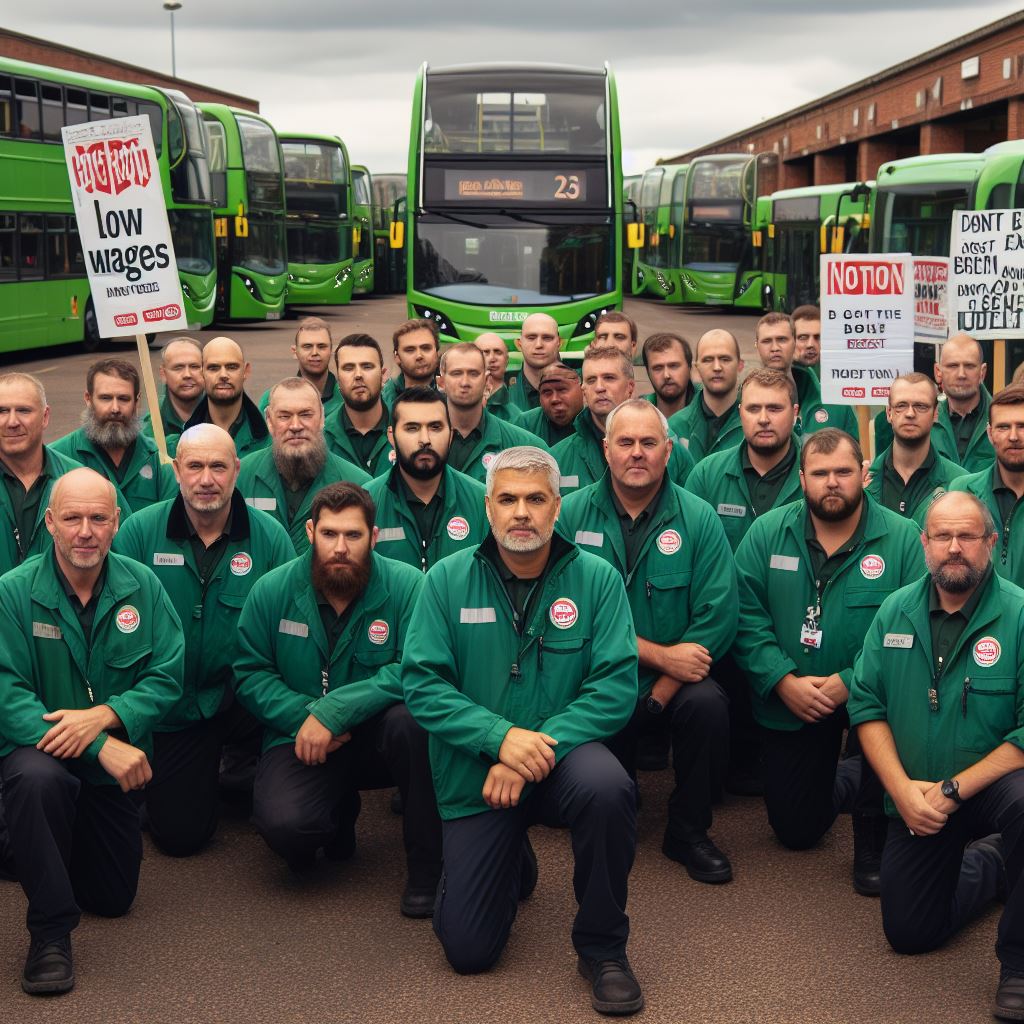
A MABSTOA Bus Operator is a professional driver employed by the Manhattan and Bronx Surface Transit Operating Authority (MABSTOA), a subsidiary of the Metropolitan Transportation Authority (MTA) New York City Transit. These operators are responsible for the safe navigation of public transit buses, primarily serving routes within the boroughs of Manhattan and the Bronx while ensuring passenger safety and fare compliance.
Operating a public transit vehicle in the densest urban environment in the United States requires more than just driving skills; it demands a combination of mechanical aptitude, customer service excellence, and high-stress management. While often grouped under the general "MTA Bus" umbrella, MABSTOA operators work under a specific legal and administrative framework that distinguishes them from their counterparts in the New York City Transit Authority (NYCTA) or the MTA Bus Company.
Understanding MABSTOA: The Authority and the Operator
To understand what a MABSTOA Bus Operator is, one must first understand the entity itself. The Manhattan and Bronx Surface Transit Operating Authority was created in 1962. It was established as a public benefit corporation to take over the operations of several private bus companies that were failing financially at the time, specifically the Fifth Avenue Coach Lines and Surface Transit, Inc.
As of 2026, MABSTOA remains a distinct legal entity, though it is managed by the MTA New York City Transit (NYCT) Department of Buses. This distinction is critical for employees because it defines their legal status, pension plans, and the specific collective bargaining agreements that govern their labor. Unlike NYCTA employees, MABSTOA workers are not technically "civil service" employees under the New York State Civil Service Law. Instead, they are "statutory" employees.
In practical terms, a MABSTOA Bus Operator performs the same daily tasks as any other MTA driver. They wear the same uniforms, drive the same New Flyer or Nova Bus models, and use the same OMNY fare payment systems. However, their hiring process and administrative oversight follow the specific protocols established for the Authority.
Key Differences: MABSTOA vs. NYCTA Bus Operators
For a job seeker or a curious commuter, the differences between MABSTOA and NYCTA (New York City Transit Authority) may seem negligible, but they are significant in the realm of public administration and labor relations.
1. Civil Service Status
NYCTA Bus Operators are hired via the New York City Department of Citywide Administrative Services (DCAS) civil service lists. They must pass a competitive civil service exam and are protected by the specific rules of the Civil Service Law. MABSTOA Bus Operators are hired directly by the Authority. While MABSTOA often uses similar testing procedures to ensure quality, they have more flexibility in their hiring timelines because they are not strictly bound by the "one-in-three" rule that governs civil service appointments.
2. Pension and Retirement
The retirement systems differ. MABSTOA operators typically participate in a different tier of the New York City Employees' Retirement System (NYCERS) or a specific MABSTOA pension fund, depending on their date of hire. Historically, MABSTOA pensions were modeled after the private sector plans of the companies they replaced, though they have since moved closer to the standard public employee models.
3. Geographical Focus
While the MTA has consolidated many operations, MABSTOA remains primarily focused on Manhattan and the Bronx. If you are a MABSTOA Bus Operator, your "home" depots will likely be facilities like the Kingsbridge Depot, Mother Clara Hale Depot, or the West Farms Depot. NYCTA operators, conversely, handle the bulk of operations in Brooklyn, Queens, and Staten Island.
Core Responsibilities of a MABSTOA Bus Operator
The role of a MABSTOA Bus Operator is multifaceted. In 2026, with the increasing complexity of urban infrastructure and the integration of autonomous safety features, the job has evolved beyond simple steering.
Safe Vehicle Operation
The primary duty is the safe operation of a heavy-duty transit vehicle, which may be a 40-foot standard bus or a 60-foot articulated ("accordion") bus. Operators must navigate narrow city streets, manage "blind spots" in heavy pedestrian traffic, and account for the swing of the vehicle during turns. They must also be proficient in using the bus's kneeling features and wheelchair ramps to ensure accessibility for all passengers.
Fare Collection and OMNY Integration
While New York City has transitioned fully to the OMNY (One Metro New York) contactless system, operators still oversee the fare collection process. They must monitor for fare evasion while maintaining a non-confrontational stance as per MTA policy. They also provide information to passengers regarding transfers, route changes, and fare zones.
Vehicle Inspection and Reporting
Before leaving the depot, a MABSTOA operator must perform a pre-trip inspection. This includes checking brakes, lights, tires, and fluid levels. In 2026, this also involves verifying the functionality of on-board diagnostic computers and GPS tracking systems. Any defects must be logged and reported to the maintenance department immediately to prevent service disruptions or safety hazards.
Emergency Response
Operators are the first line of response for incidents on the bus. Whether it is a medical emergency, a mechanical failure, or a security issue, the operator must communicate with the Bus Command Center (BCC) using the on-board radio system, secure the vehicle, and coordinate with the NYPD or EMS as needed.
Eligibility and Requirements in 2026
To become a MABSTOA Bus Operator, candidates must meet rigorous standards. The MTA is one of the most selective transit agencies in the world due to the high stakes of driving in New York City.
Licensing and Endorsements
- Commercial Driver’s License (CDL): Candidates must possess a valid Class B CDL issued by the State of New York (or a reciprocal state like NJ, CT, or PA).
- Passenger (P) Endorsement: This is mandatory for anyone operating a vehicle designed to carry 15 or more passengers.
- No Air Brake Restriction: Since transit buses use air brake systems, the "L" restriction must be removed from the candidate’s license.
- Endorsement Preparation: Many candidates apply with a CDL Permit and must obtain the full license before completing the MTA's training program.
Personal Qualifications
- Age: Minimum of 21 years old.
- Residency: While residency requirements can vary based on specific recruitment cycles, most candidates must be legal residents of the United States and have the right to work in New York.
- Driving Record: A clean driving record is paramount. Excessive points, recent DUIs, or a history of serious accidents are automatic disqualifiers. The MTA reviews the past several years of an applicant’s driving abstract.
Physical and Medical Standards
Candidates must pass a comprehensive medical examination. This includes vision and hearing tests, as well as a drug and alcohol screening. Under federal Department of Transportation (DOT) regulations, bus operators are subject to random drug testing throughout their careers.
The Hiring and Application Process
The path to becoming a MABSTOA Bus Operator is long and involves several hurdles designed to weed out those who cannot handle the rigors of the job.
- Application and Examination: Interested individuals must monitor the MTA Careers portal. When a filing period opens for "Bus Operator (MABSTOA)," candidates submit their applications. They may be required to take a multiple-choice exam or a Bus Operator Selection Survey (BOSS), which assesses personality traits and situational judgment.
- The Practical Road Test: If the candidate passes the initial screening, they are invited to a road test. This is not a standard DMV test; it is an MTA-specific evaluation of the candidate's ability to handle a large vehicle in tight spaces.
- The Medical and Background Check: Candidates undergo a thorough background investigation, including fingerprinting and a review of employment history.
- The Interview: A formal interview with transit supervisors assesses the candidate’s communication skills and commitment to public service.
Training and the Probationary Period
Once hired, a MABSTOA Bus Operator is not immediately sent onto the streets. They enter an intensive training program, usually lasting several weeks.
Training Phases
The training is divided into classroom instruction and "on-the-road" training. Classroom sessions cover the rules of the road, MTA-specific policies, and the geography of Manhattan and the Bronx. The road training involves driving a bus without passengers under the supervision of a Line Instructor. Trainees learn "qualification" on specific routes, meaning they must memorize every stop, turn, and hazard on a particular line.
The Probationary Period
New operators are typically on probation for the first year of their employment. During this time, their performance is closely monitored. Any accidents, punctuality issues, or customer complaints are scrutinized. Successfully completing probation is the final step in securing a permanent position with MABSTOA.
Compensation, Benefits, and Union Representation
MABSTOA Bus Operators are among the best-compensated transit workers in the United States. As of 2026, the pay scale is governed by the contract between the MTA and the Transport Workers Union (TWU) Local 100.
| Category | Description |
|---|---|
| Starting Salary (2026) | Approximately $27.00 - $31.00 per hour (varies by contract year) |
| Top Pay | Reached after 5–6 years of service; typically exceeds $42.00 per hour |
| Health Benefits | Comprehensive medical, dental, and vision coverage for employees and families |
| Retirement | Defined benefit pension plan (NYCERS) and 401(k)/457 deferred comp options |
| Overtime | Ample opportunities for time-and-a-half pay based on seniority and availability |
| Uniform Allowance | Annual stipend for purchasing and maintaining official MTA uniforms |
Union Protection
MABSTOA operators are represented by TWU Local 100. The union is responsible for negotiating wages, benefits, and working conditions. They also provide legal representation for operators involved in accidents or disciplinary actions. The strength of the union is a major draw for individuals seeking long-term career stability in the public sector.
Comparison of MTA Bus Operating Divisions
It is helpful to see how MABSTOA fits into the broader MTA ecosystem to understand its specific identity.
| Feature | MABSTOA | NYCTA (Buses) | MTA Bus Company |
|---|---|---|---|
| Legal Status | Statutory Authority | Civil Service | Subsidiary Corporation |
| Primary Boroughs | Manhattan & Bronx | Brooklyn, Queens, SI | Queens & Express Routes |
| Hiring Source | Direct MTA Application | DCAS Civil Service List | Direct MTA Application |
| Pension System | MABSTOA/NYCERS | NYCERS (Civil Service) | Multi-employer/MTA Bus |
| Uniforms | Standard MTA Blue | Standard MTA Blue | Standard MTA Blue |
Challenges of the Role
Being a MABSTOA Bus Operator is not for everyone. The job carries significant stressors that candidates must consider.
- The "Extra List": Junior operators often start on the "Extra List," meaning they do not have a set schedule. They must be available to cover shifts on short notice, often working "split shifts" (e.g., working the morning rush, four hours off, then working the evening rush).
- Traffic and Weather: Operators must maintain schedules despite gridlock in Midtown Manhattan or blizzard conditions in the Bronx. The mental fatigue of navigating NYC traffic for eight to ten hours a day is substantial.
- Passenger Interaction: While most passengers are respectful, operators occasionally deal with difficult, intoxicated, or aggressive individuals. Maintaining a professional demeanor in these situations is a core requirement of the job.
Career Outlook and Advancement
In 2026, the transit industry is seeing a shift toward electric vehicles (EVs). MABSTOA is at the forefront of the MTA’s goal to transition to a zero-emissions fleet by 2040. For a Bus Operator, this means learning to operate new technology, managing regenerative braking systems, and understanding the nuances of electric bus range.
There are significant opportunities for advancement within the MTA. An experienced MABSTOA Bus Operator can move into several different career paths:
- Dispatcher: Managing the movement of buses and timing from the depot or street level.
- Surface Line Dispatcher: Coordinating responses to delays and accidents.
- Training Instructor: Teaching the next generation of bus operators.
- Management: Moving into administrative or safety-oversight roles within the Department of Buses.
FAQs
Is a MABSTOA Bus Operator a city employee?
Yes and no. MABSTOA is a public authority and a subsidiary of the MTA. While you are a public employee and receive city-funded benefits, you are technically an employee of the Authority rather than a direct employee of the City of New York (like a police officer or a teacher).
How long does the hiring process take for MABSTOA?
The process can take anywhere from six months to two years, depending on the current need for drivers and where you fall in the testing cycle. MABSTOA sometimes hires faster than NYCTA because they do not have to wait for the certification of a formal civil service list.
Can I choose which borough I work in?
MABSTOA operators primarily work out of Manhattan and Bronx depots. While you can put in "picks" (requests) for specific depots or routes based on your seniority, you are generally assigned based on the needs of the Authority when you are first hired.
Do MABSTOA operators drive the "Express" buses?
Most express bus routes (the "X" or "BM" routes) are operated by the MTA Bus Company division. However, MABSTOA does operate some limited and Select Bus Service (SBS) routes within Manhattan and the Bronx that function similarly to express service in terms of speed and stop frequency.
What happens if I have an accident during my first year?
During the probationary period, any accident is strictly reviewed. If the accident is found to be "preventable," it can lead to an extension of probation or termination. The MTA places the highest priority on safety, especially for new hires.
Practical Recommendation for Applicants
If you are considering a career as a MABSTOA Bus Operator in 2026, the best first step is to obtain your CDL Class B permit with the Passenger endorsement and no air brake restriction immediately. Having these credentials ready makes you a much more attractive candidate when a "Notice of Examination" or hiring notice is posted. Furthermore, practice driving in high-traffic areas and familiarize yourself with the Bronx and Manhattan bus maps. Being a successful operator requires knowing the city as well as you know the vehicle.