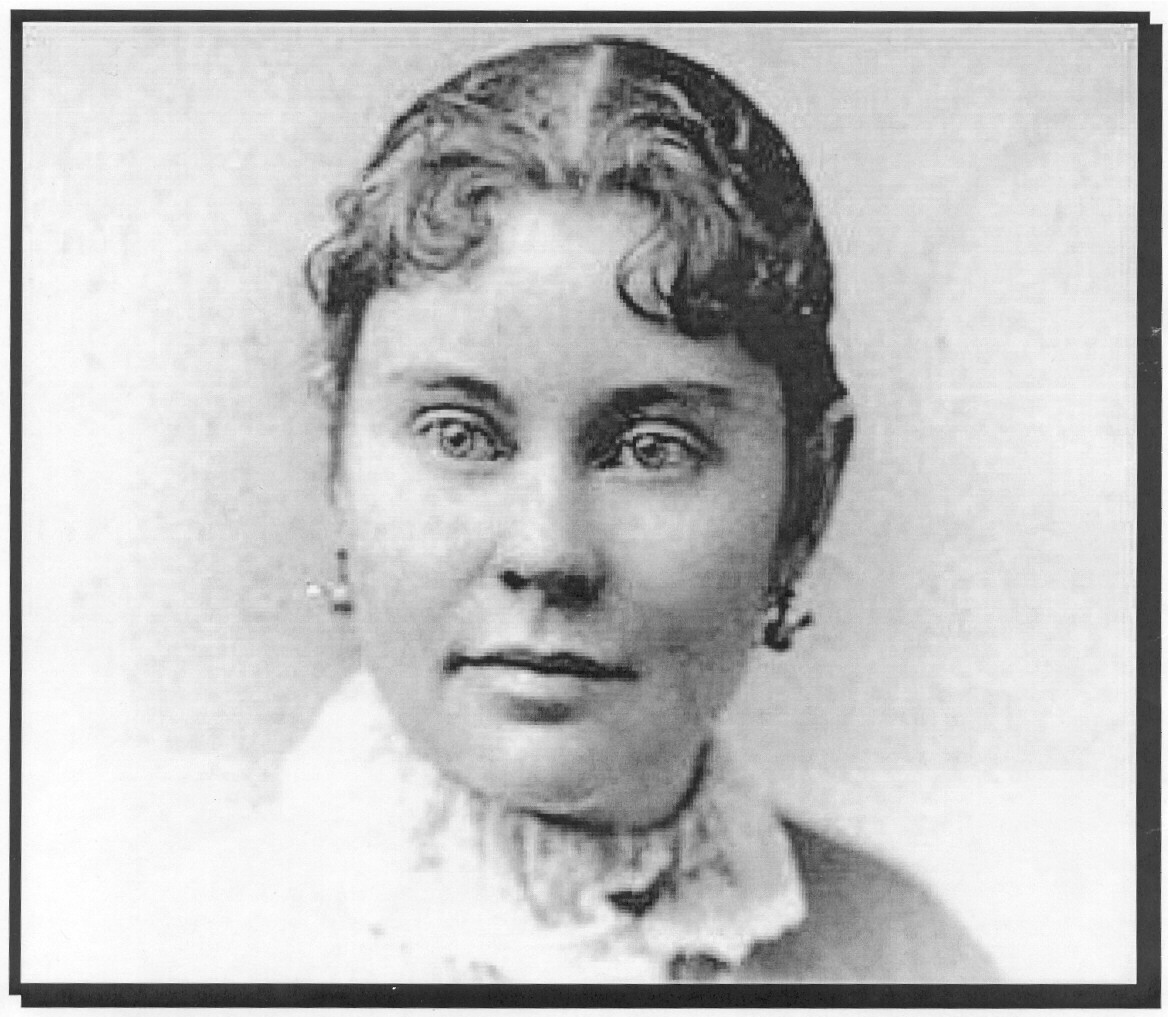
Lizzie Borden (1860–1927) was a Fall River, Massachusetts, woman who became the central figure in one of America’s most enduring criminal mysteries after being tried and acquitted for the 1892 axe murders of her father and stepmother. Although legally cleared, her name remains synonymous with the unsolved crime in popular folklore and historical true crime analysis.
The case of Lizzie Borden is not merely a story of a double homicide; it is a complex intersection of Victorian social mores, forensic limitations of the late 19th century, and a family dynamic fraught with tension. As of 2026, over 130 years after the events at 92 Second Street, historians and amateur sleuths continue to dissect the evidence, the trial, and the social climate that allowed the "Fall River Maiden" to walk free. To understand the gravity of the Borden case, one must look past the famous nursery rhyme and examine the documented reality of the Borden household.
The Borden Family Context and Socioeconomic Background
Andrew Jackson Borden was a man of considerable wealth but legendary frugality. By 1892, he had amassed a fortune through furniture sales, casket manufacturing, and extensive real estate holdings, totaling roughly $300,000—a sum equivalent to several million dollars today. Despite his wealth, the family lived in a modest home on Second Street in Fall River, a neighborhood that was becoming increasingly industrial. Andrew famously refused to install modern plumbing or electricity, preferring to live a life of austerity that stood in stark contrast to his financial status.
The household consisted of Andrew, his second wife Abby Durfee Gray Borden, and his two adult daughters from his first marriage, Emma and Lizzie. The atmosphere in the home was reportedly icy. Lizzie and Emma, then 32 and 41 respectively, harbored significant resentment toward Abby, whom they referred to as "Mrs. Borden" rather than "Mother." This animosity was fueled by Andrew’s decision to transfer pieces of real estate to Abby’s family, which the sisters viewed as a threat to their eventual inheritance.
Lizzie was active in her community, participating in the Central Congregational Church and various charitable organizations, such as the Women’s Christian Temperance Union. Her social standing as a "proper" Victorian woman would later play a pivotal role in her legal defense, as the contemporary public found it nearly impossible to believe that a Sunday school teacher could commit such a visceral, violent act.
Timeline of the Murders: August 4, 1892
The events of August 4 occurred during a record-breaking heatwave. The household had been suffering from a mysterious bout of illness, which Abby Borden suspected was the result of poisoning, though modern historians suggest it was likely food poisoning from a three-day-old mutton stew.
The Murder of Abby Borden
Around 9:00 AM, Andrew Borden left the house to conduct business in downtown Fall River. Emma was away visiting friends in Fairhaven. This left Lizzie, Abby, and the family’s Irish maid, Bridget "Maggie" Sullivan, in the house.
Between 9:00 AM and 9:30 AM, Abby Borden went upstairs to the guest room to tidy up. It was here that she was attacked. Forensic evidence later determined she was struck from behind with a hatchet, first above the ear, and then 18 more times as she lay face down on the floor. Because of the angle of the attack and the lack of defensive wounds, it is believed she never saw her assailant.
The Murder of Andrew Borden
Andrew returned home around 10:30 AM. He found the front door locked from the inside, a common security measure for him, but one that required Bridget to let him in. Lizzie claimed to have been in the barn at the time. Andrew, feeling unwell, lay down on the sofa in the sitting room for a nap.
Shortly after 11:00 AM, Lizzie called out to Bridget, "Maggie, come down! Father is dead; somebody came in and killed him." Andrew had been struck 10 or 11 times with a hatchet-like weapon while he slept. One eye had been split in half, and his face was virtually unrecognizable. Unlike Abby, whose blood had begun to darken and congeal, Andrew’s blood was still fresh and flowing, allowing the medical examiner to estimate that the two murders had occurred roughly 90 to 120 minutes apart.
The Investigation and Key Evidence
The Fall River Police Department faced immediate criticism for their handling of the crime scene. In 1892, forensic science was in its infancy; fingerprinting was not yet a standard practice, and "blood spatter analysis" was a concept of the future.
The Missing Murder Weapon
The police found several hatchets in the basement. One, which became known as the "headless hatchet," was covered in dust and ash. The handle was broken off, and the break looked fresh. While the prosecution argued that Lizzie had broken the handle to hide bloodstains and dipped the head in ash to make it look old, the tool was never conclusively proven to be the murder weapon.
The Bedford Cord Dress
Perhaps the most damaging piece of circumstantial evidence was the "burning of the dress." A few days after the murders, a friend of the family, Alice Russell, witnessed Lizzie burning a light blue Bedford cord dress in the kitchen stove. Lizzie claimed she was destroying it because it was stained with brown paint. Investigators, however, believed it was the garment she wore during the murders, which would have been covered in blood.
The Prussic Acid Attempt
The day before the murders, Lizzie reportedly attempted to purchase prussic acid (hydrogen cyanide) from a local druggist, claiming she needed it to clean a seal-skin cape. The druggist refused to sell it to her without a prescription. During the trial, this testimony was ruled inadmissible, a significant blow to the prosecution’s attempt to prove premeditation.
The Trial of Lizzie Borden
The trial began in June 1893 in New Bedford and was a national sensation. It was often described as the "Trial of the Century" before that term became a cliché. The defense team, led by former Massachusetts Governor George Robinson, employed a strategy that leaned heavily on Lizzie’s status as a woman of high social standing.
The Defense Strategy
Robinson argued that it was physically impossible for a woman to commit such a gruesome crime without being covered in blood. He pointed out that Lizzie was found shortly after the murders with her hair perfectly coiffed and no visible blood on her person. The defense also highlighted the "lack of evidence," noting that no murder weapon was found and no motive could be definitively proven beyond reasonable doubt.
The Prosecution’s Failure
The prosecution, led by Hosea Knowlton, struggled with the exclusion of key evidence. Without the prussic acid testimony and without the ability to explain how Lizzie could have cleaned herself so thoroughly in the short interval between the murders, their case was purely circumstantial. Furthermore, the jury—composed entirely of men—was susceptible to the era's gender biases. The prevailing belief was that a woman lacked the physical strength and the "moral capacity" for such brutality.
On June 20, 1893, after only 90 minutes of deliberation, the jury returned a verdict of "Not Guilty."
Life After the Acquittal: Maplecroft and Ostracization
Despite her legal vindication, Lizzie Borden was never "innocent" in the eyes of the Fall River community. She and Emma used their inheritance to purchase a large Victorian mansion in the fashionable "Hill" neighborhood of Fall River, which Lizzie named "Maplecroft."
Lizzie began using the name "Lizbeth" and attempted to live the life of a wealthy socialite. However, she was largely shunned by the townspeople. Emma lived with her until 1905, when a mysterious falling out led Emma to move out; the two sisters reportedly never spoke again. Lizbeth remained at Maplecroft until her death in 1927. In a final act of irony, she left the bulk of her estate to animal welfare organizations, specifically the Animal Rescue League.
Comparative Analysis of Prime Suspects
While Lizzie remains the primary suspect, various theories have emerged over the decades suggesting alternative culprits.
| Suspect | Potential Motive | Evidence For | Evidence Against |
|---|---|---|---|
| Lizzie Borden | Inheritance and resentment toward Abby Borden. | Presence in the house; burning of the dress; attempt to buy poison. | Lack of blood on her person; no confirmed murder weapon. |
| Bridget Sullivan | Frustration with the heat, the family illness, and cleaning windows. | Access to the house; was the only other person confirmed to be present. | No known motive for such extreme violence; no history of conflict. |
| John Morse | Financial gain or family dispute (Andrew's brother-in-law). | Unexpected visit; familiarity with the house layout. | Strong alibi confirmed by several witnesses during the time of the murders. |
| William Borden | Claimed illegitimate son of Andrew Borden seeking inheritance. | Theory proposed by author Arnold Brown; suggested mental instability. | Minimal historical evidence that William Borden actually existed as Andrew's son. |
Modern Forensic Perspectives
If the Borden murders occurred in 2026, the investigation would be vastly different. Modern DNA analysis of the "headless hatchet" could have identified the victims' blood or the perpetrator's skin cells. High-velocity blood spatter analysis would have determined the exact position of the killer, likely proving that the assailant would have been drenched in blood—supporting the prosecution's theory that the killer must have stripped or changed clothes.
Furthermore, the "mysterious illness" of the family would have been analyzed via toxicology reports to determine if Andrew and Abby were being slowly poisoned before the axe was ever used. In 1892, the stomachs of the victims were removed and sent to Harvard for analysis, but the technology of the time could only detect large quantities of specific poisons.
Frequently Asked Questions
Did Lizzie Borden really kill her parents?
While she was acquitted in a court of law, most modern historians believe Lizzie Borden was either the perpetrator or an accomplice. The lack of an intruder's trail, the timeline of the murders, and her burning of the dress remain the most significant indicators of her involvement.
Why is the famous rhyme inaccurate?
The rhyme states: "Lizzie Borden took an axe / And gave her mother forty whacks / When she saw what she had done / She gave her father forty-one." In reality, Abby was struck 19 times and Andrew was struck 10 or 11 times. Furthermore, Abby was Lizzie's stepmother, not her mother.
What happened to the Borden house?
The house at 92 Second Street still stands in Fall River, Massachusetts. It currently operates as the "Lizzie Borden Bed & Breakfast Museum." Tourists can tour the home, see crime scene photos, and even stay in the rooms where the murders occurred.
What was the motive for the murders?
The most widely accepted motive is a combination of financial gain and domestic resentment. Andrew Borden was worth nearly $9 million in 2026 dollars, and his daughters were frustrated by his frugality and the gifts of property he gave to his wife's family.
Why was she acquitted?
Her acquittal was largely due to the lack of direct physical evidence and the social biases of the time. The jury could not reconcile the image of a refined, religious woman with the gruesome nature of the crimes. Additionally, the defense successfully excluded key pieces of incriminating testimony.
Practical Recommendations for Researchers
For those interested in a deeper dive into the Borden case, the following steps are recommended:
- Review the Trial Transcripts: The most accurate information comes from the official court records, which are available through the Fall River Historical Society.
- Visit the Fall River Historical Society: They house the world’s largest collection of Borden-related artifacts, including Lizzie’s personal letters and original crime scene evidence.
- Analyze Forensic Critiques: Seek out contemporary forensic journals that apply modern bloodstain pattern analysis to the original crime scene photos and descriptions.
The case of Lizzie Borden remains a chilling reminder of how social status and gender perceptions can influence the course of justice. Whether she was a cold-blooded killer or a victim of circumstantial misfortune, her story continues to captivate the public imagination, ensuring that the name "Borden" will be discussed for centuries to come.