Back length refers to the vertical distance measured along the spine, typically from a specific anatomical landmark near the base of the neck down to a reference point like the hip line or tailbone, and it serves as the critical dimension for properly sizing backpacks, tactical vests, dog coats, and technical garments.
The Fundamentals of Back Length
When people encounter the term back length, they are almost always dealing with the challenge of fit and ergonomics. Whether you are fitting a high-capacity backpacking frame for a multi-day trek, buying a winter coat for a dog, or tailoring a specialized piece of outerwear, getting this measurement right determines whether the item functions correctly or causes physical discomfort.
Unlike overall height, which gives a general sense of body scale, back length isolates the torso. Two people who are both 5 feet 10 inches tall can have vastly different back lengths due to variations in leg-to-torso ratios. Ignoring this measurement leads to poorly distributed loads, chafing, restricted movement, and, in severe cases, musculoskeletal strain.
Understanding this dimension requires looking past generic clothing sizes (Small, Medium, Large) and turning to precise anatomical tracking. When an item is built around a specific back length, it aligns the structural support of the gear with the natural articulation of the human or animal skeleton.
Why Back Length Matters in Gear and Apparel
The primary reason back length is emphasized in outdoor gear, technical apparel, and pet supplies is load management and mobility.
Load Distribution in Backpacks
In hiking and mountaineering packs, the back length dictates where the hip belt sits. The ideal backpacking setup places roughly 70 to 80 percent of the pack's weight onto the hips via the hip belt, while the shoulder straps stabilize the load. If a pack’s torso length is too short for the user, the hip belt rides up over the iliac crest (hip bones), forcing the shoulder straps to bear the weight, which quickly leads to shoulder fatigue and neck strain. Conversely, if the torso length is too long, the hip belt slips too low, and the load-lifter straps at the shoulders pull backward rather than upward, causing the pack to pull away from the body.
Garment Mobility and Comfort
In specialized apparel—such as motorcycle jackets, technical winter shells, and equestrian wear—back length dictates how the garment behaves when the wearer is in motion. A jacket that is too short in the back will ride up when reaching forward or bending over, exposing the lower back to cold wind and moisture. A back length that is excessively long can restrict sitting posture or catch on equipment.
Animal Welfare and Mobility
When applied to animals, such as dogs or horses, back length ensures that blankets, coats, and packs do not restrict shoulder movement or put uncomfortable pressure on the tail base. An improperly sized dog coat that is too long can interfere with elimination or cause tripping hazards, while one that is too short fails to protect the kidneys and lower back from cold weather.
Anatomy of the Measurement: How to Find Your Torso Length
Measuring human back length requires locating two specific anatomical points. Attempting to measure yourself while standing naturally can introduce error, so having a partner assist yields the most accurate results.
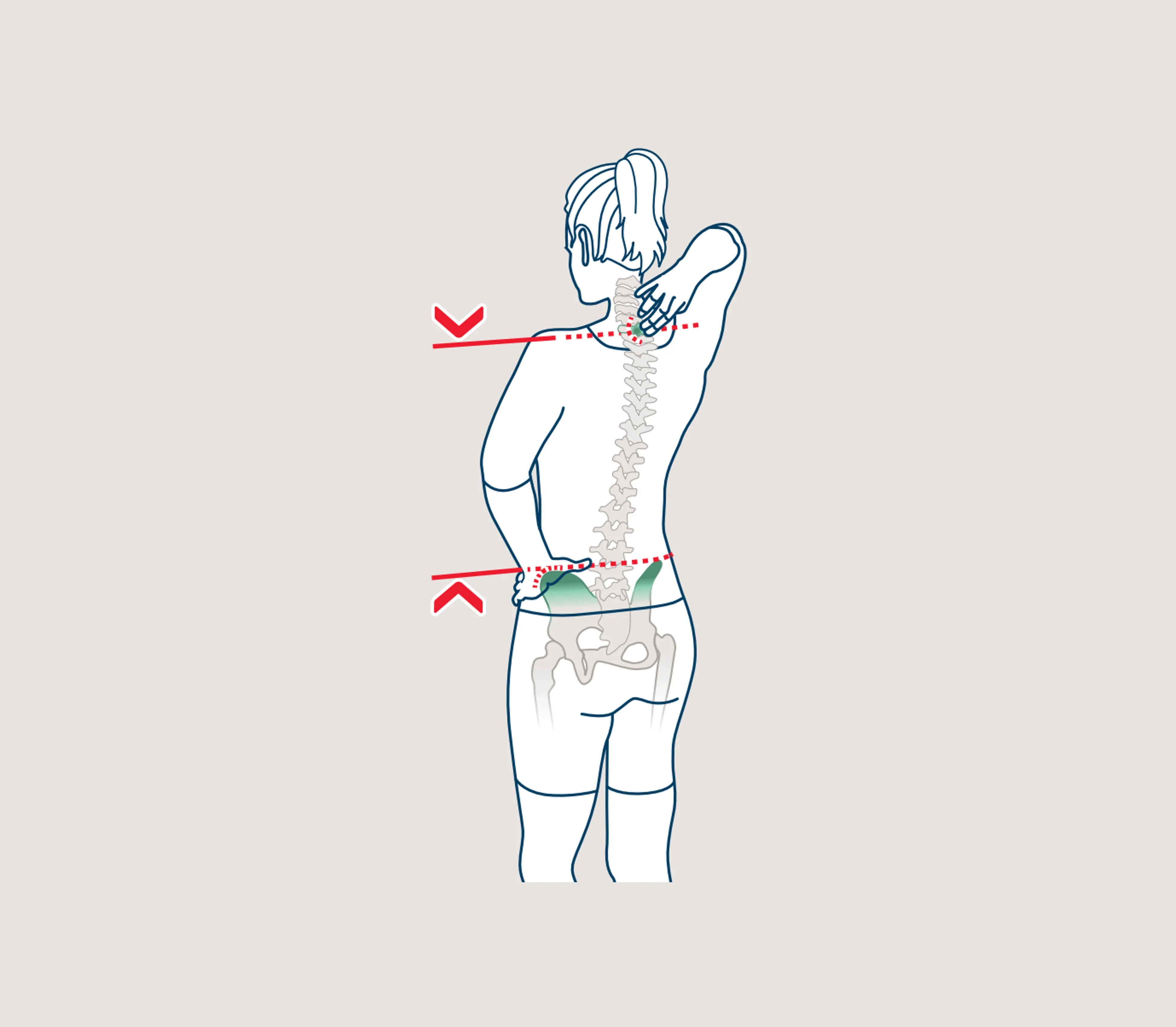
[C7 Vertebra] (The prominent bump at the base of the neck) | | <--- Measure straight down the spine with a flexible tape | [Iliac Crest Line] (The top ridge of the hip bones)
Step-by-Step Measurement Procedure
- Tilt the Head Forward: Stand upright and tilt your chin toward your chest. This action makes the vertebrae at the base of the neck protrude visibly and palpably.
- Identify the C7 Vertebra: Run your fingers down the back of your neck until you feel the most prominent bony bump where the neck meets the shoulders. This is the C7 vertebra (or the seventh cervical vertebra). This marks the top starting point of your measurement.
- Locate the Iliac Crests: Place your hands on your hips with your thumbs pointing backward. Press in to find the top ridge of your hip bones (the iliac crests). Imagine a horizontal line drawn across your back connecting these two points. The point where this imaginary line intersects your spine is your lower reference point.
- Measure the Distance: Have your helper place the zero end of a flexible tape measure at the C7 vertebra. Run the tape straight down the contour of the spine to the level of the imaginary line connecting the iliac crests.
- Record the Measurement: Read the measurement in inches or centimeters. This number represents your torso length, which is distinct from your overall height.
Standard Back Length Categories in Backpacks
Backpack manufacturers typically design adjustable or fixed-size harnesses to accommodate specific ranges of torso lengths. While brands vary slightly in their sizing scales, the industry generally categorizes back lengths into distinct brackets.
| Pack Size Category | Typical Torso Length Range (Inches) | Typical Torso Length Range (Centimeters) | Target User Profile |
|---|---|---|---|
| Extra Small / Youth | 13 – 15 inches | 33 – 38 cm | Youth, petite adults, or shorter frames |
| Small | 15 – 17 inches | 38 – 43 cm | Shorter adults, many women's specific models |
| Medium / Regular | 17 – 19 inches | 43 – 48 cm | Average adult height range |
| Large / Tall | 19 – 22+ inches | 48 – 56+ cm | Taller individuals with longer torsos |
Many modern technical packs feature adjustable velcro or ladder-lock suspension systems. These allow users to slide the harness up or down along the frame sheet, effectively customizing a single pack to fit multiple back lengths within a given range (e.g., fitting any torso from 15 to 19 inches).
Measuring Back Length for Animals
Applying back length principles to animals—most commonly dogs—requires a slightly different anatomical approach, though the principle of avoiding restriction remains identical.
Canine Back Length Measurement
- Dog Stance: Ensure the dog is standing square on a flat surface in a relaxed, natural posture. If the dog is sitting or slumping, the measurement will be inaccurate.
- Collar Base: Locate the base of the neck where the collar naturally rests (just in front of the shoulder blades or withers).
- Tail Base: Locate the tail set, which is the exact point where the tail joins the body of the spine.
- Straight Line Measurement: Measure the distance along the backbone from the base of the neck to the base of the tail. Do not curve the tape down the flanks or measure up the tail itself.
Manufacturers of canine apparel often use this exact measurement to dictate coat sizes. However, dog owners must also cross-reference chest girth and neck circumference, as a coat that fits in length might still be too tight or too loose around the animal's chest.
Common Mistakes When Measuring Back Length
Inaccurate measurements are the leading cause of gear failure, poor fit, and physical discomfort in the field. Avoiding these frequent errors ensures reliable results.
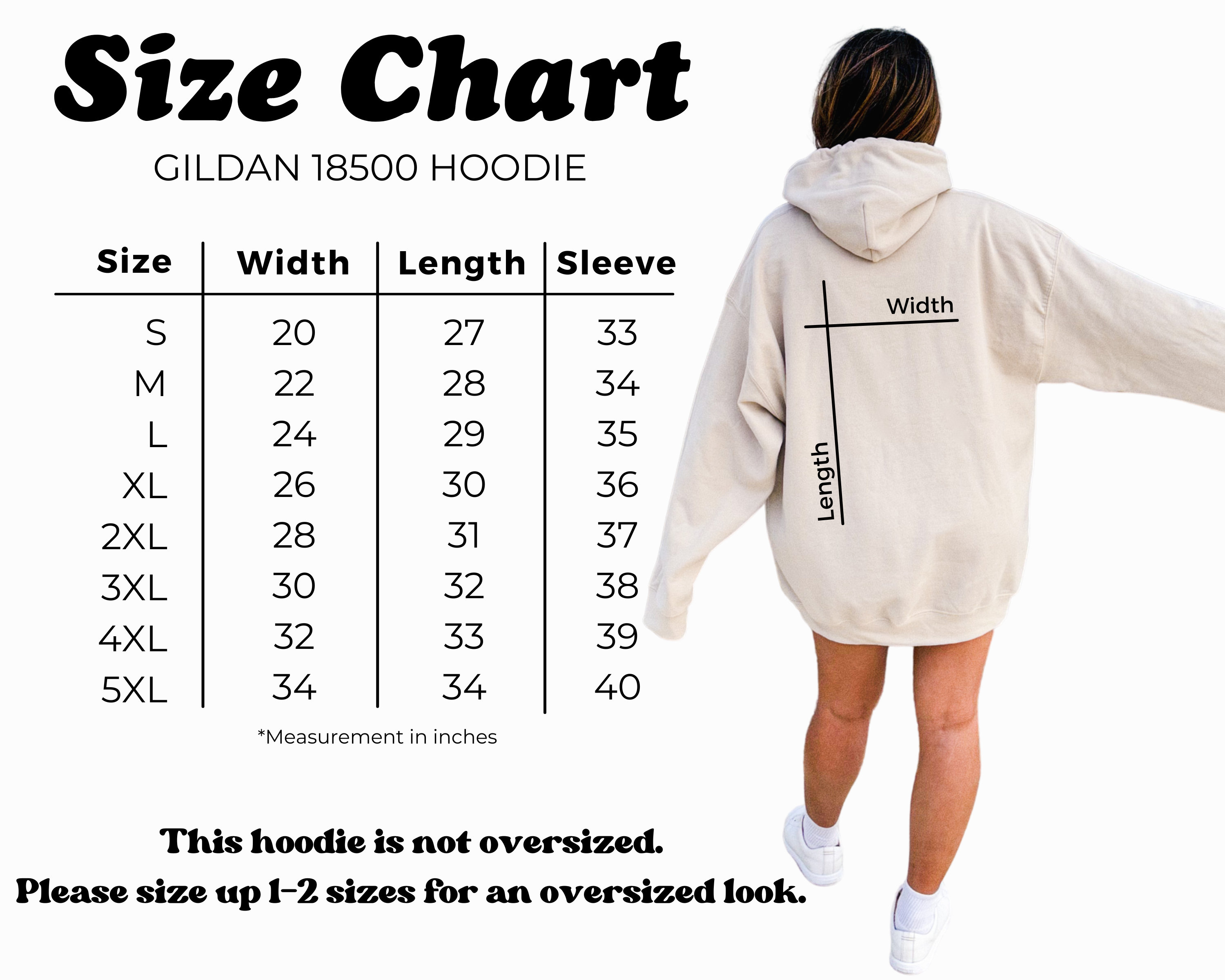
- Measuring Overall Height: Confusing total height with torso length renders sizing charts useless. A person standing 6 feet tall might easily have a medium torso if they have longer legs.
- Starting at the Wrong Vertebra: Starting the measurement too high on the skull or too low on the thoracic spine distorts the reading. Always isolate the C7 vertebra by tilting the chin down.
- Ignoring Body Curvature: Pressing a rigid measuring stick straight out in the air from the neck to the hips bypasses the natural curve of the spine. The measuring tape must follow the contour of the back.
- Slouching During Measurement: Slouching compresses the spine and shortens the torso measurement. Maintain an upright, natural posture while being measured.
- Measuring Clothing Instead of the Body: When sizing gear, measure the human or animal body, not an old jacket or an existing pack that may have already fit poorly.
Frequently Asked Questions
Can I adjust a backpack if the back length is wrong?
If your backpack has a fixed torso length that does not match your measurement, adjustments to the load lifters or hip belt can only compensate for minor discrepancies. If the pack is off by more than two inches, the load distribution will remain uncomfortable, and you should switch to an adjustable pack or a size matching your actual torso length.
Does back length change over the course of a day?
Yes, human spines decompress overnight, making people slightly taller in the morning than they are at the end of the day due to gravity compressing the spinal discs. While this micro-adjustment rarely shifts someone into an entirely different backpack size category, heavy loaded carrying on a long trek can compress the torso slightly over hours of hiking.
Are men's and women's back length measurements calculated differently?
The anatomical landmarks (C7 vertebra to iliac crest) remain identical for all humans. However, women's specific backpacks are often engineered with shorter torso length ranges, narrower shoulder harnesses, and conical hip belts designed to match female skeletal geometry more accurately.
What should I do if my measurement falls right between two backpack sizes?
If your back length falls on the boundary between two sizes (for example, right at 18 inches when a brand's Medium ends at 18 and Large begins at 18), try both sizes on with weight inside if possible. Generally, if you have a leaner build, sizing down to the smaller torso allows for a snugger hip belt wrap; if you have a broader or more muscular build, sizing up may prevent the harness from feeling restrictive.
Final Recommendations for Sizing and Fit
When acquiring equipment or apparel that relies on precise back length, prioritize physical measurement over clothing label assumptions. Always use a flexible cloth tape measure and enlist a partner to ensure accuracy along the spinal contour. If you are shopping for a technical backpack, load the pack with weight in the store or at home to test how the hip belt and shoulder straps interact with your specific torso dimensions before committing to a long journey.