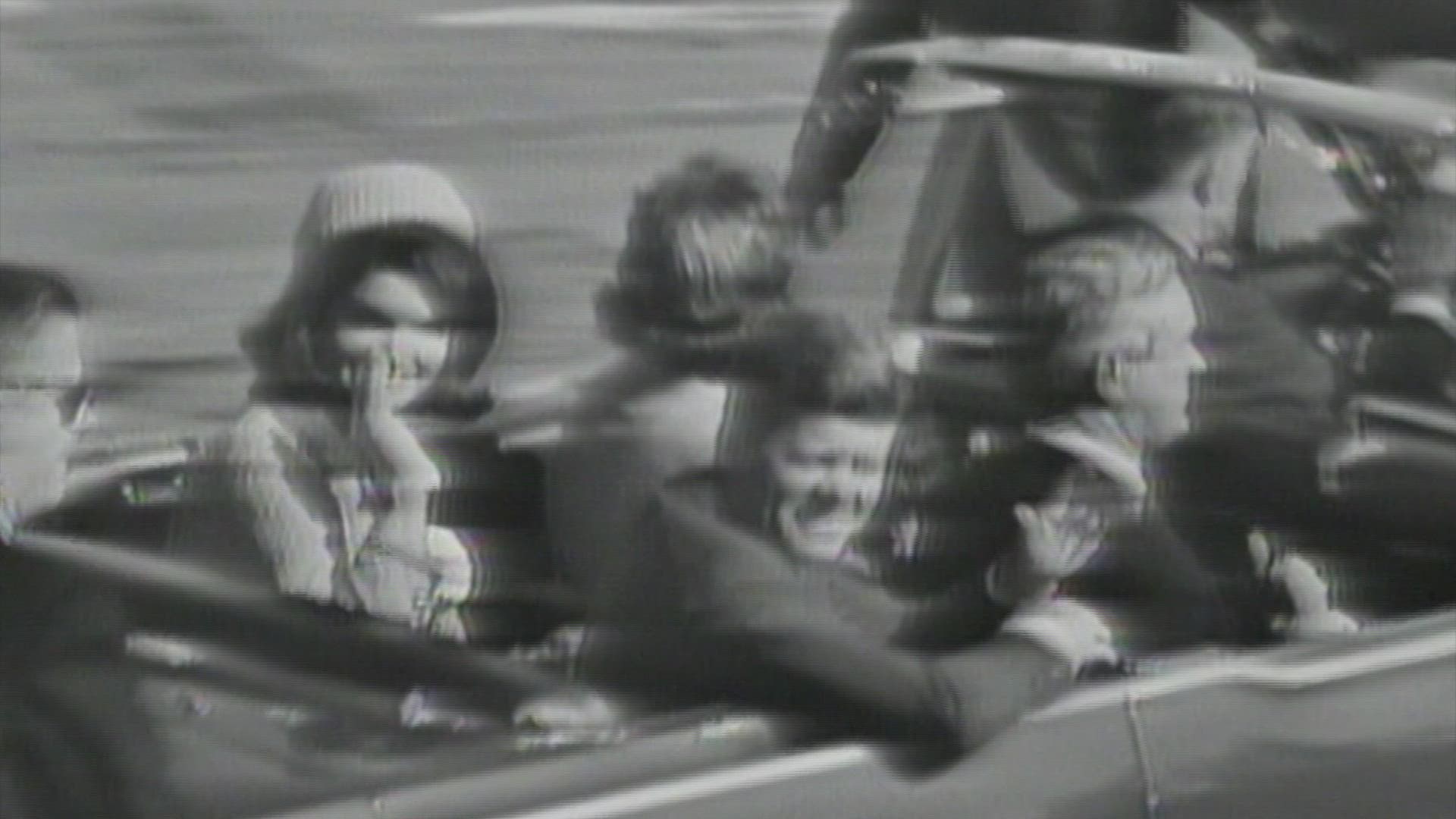
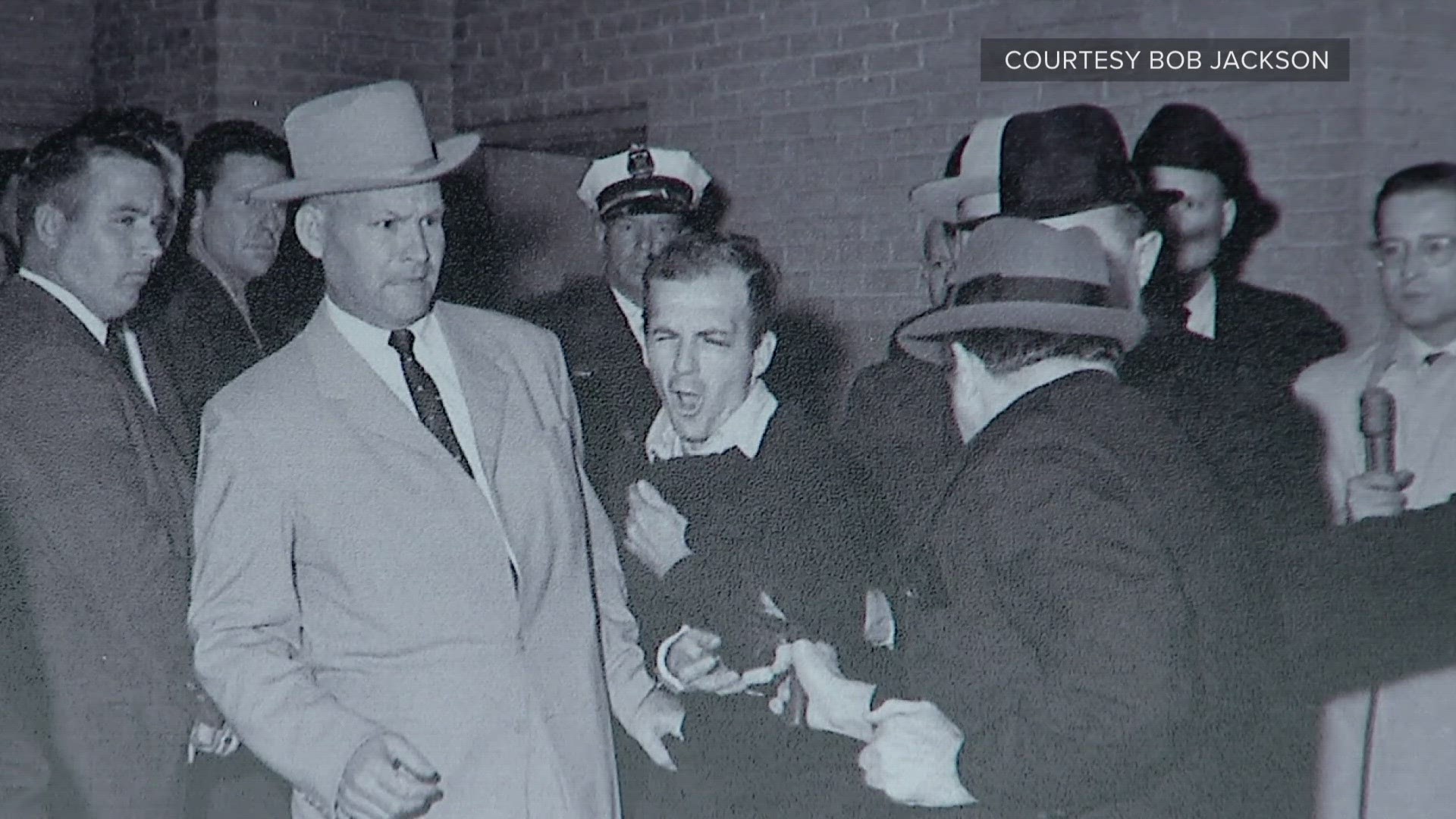
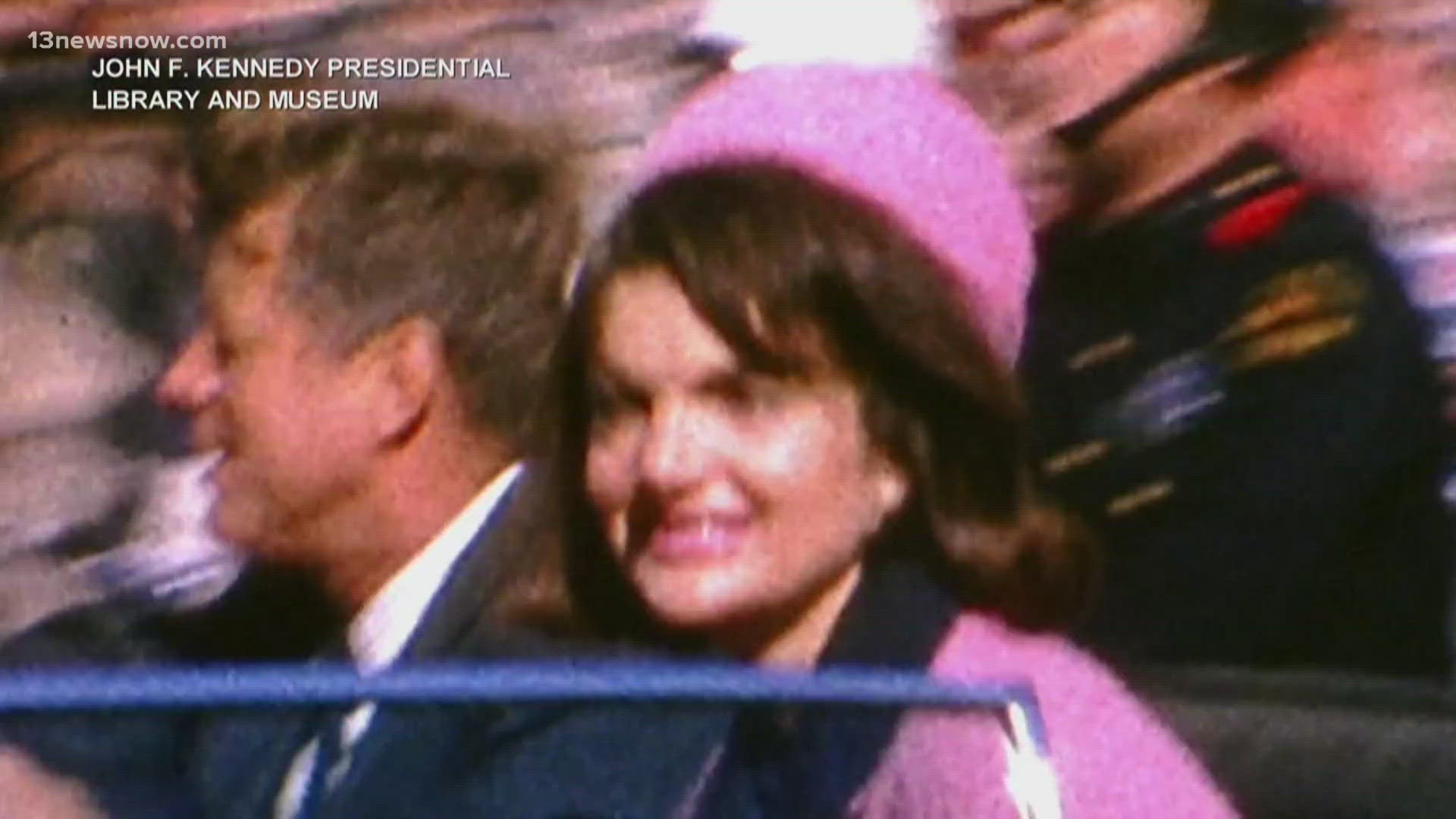
The JFK autopsy refers to the official medical examination of President John F. Kennedy performed at Bethesda Naval Hospital on November 22, 1963, following his assassination in Dallas, Texas. Conducted by military pathologists under intense pressure and extraordinary circumstances, the post-mortem examination and its subsequent records have served as the focal point for decades of historical scrutiny, government investigations, and intense public debate regarding the trajectory of the bullets and the exact nature of his wounds.
Historical Context and the Transfer to Bethesda Naval Hospital
Following the fatal shooting of President John F. Kennedy at Dealey Plaza in Dallas, Texas, his body was initially taken to Parkland Memorial Hospital. There, emergency physicians performed a tracheostomy and attempted resuscitation before declaring him dead at 1:00 PM CST. Under Texas state law at the time, the death of a president by violence constituted a homicide, which fell under the jurisdiction of the Dallas County medical examiner, then Dr. Earl Rose.
However, federal authorities, Secret Service agents, and members of the presidential entourage insisted on removing the body from Parkland Hospital to return it to Washington, D.C., aboard Air Force One. This transfer effectively bypassed the mandatory Texas statutory autopsy. Upon arrival at Andrews Air Force Base, the presidential motorcade and casket were diverted to the United States Naval Medical Center in Bethesda, Maryland, rather than Walter Reed Army Medical Center, due to the wishes of the Kennedy family and security considerations.
The decision to conduct the examination at Bethesda Naval Hospital rather than relying on a civilian forensic pathologist or a local medical examiner established the military character of the procedure. Commanders selected military physicians who, while highly skilled in general pathology and clinical medicine, lacked specialized civilian forensic pathology experience in high-profile homicide investigations. This institutional setting subsequently fueled decades of skepticism regarding the independence, thoroughness, and precision of the medical findings.
The Autopsy Team and Procedure
The autopsy commenced at approximately 8:00 PM EST on November 22, 1963, and concluded in the early hours of November 23. The procedure was performed primarily by Commander James J. Humes and Commander J. Thornton Boswell, both pathologists on the staff of the Bethesda facility, assisted by Lieutenant Colonel Pierre A. Finck, a military forensic pathologist assigned by the Armed Forces Institute of Pathology (AFIP).
Operating under extreme stress and the watchful eyes of various military officers, Secret Service personnel, and, at times, members of the Kennedy family, the medical officers faced a compromised examination environment. The primary responsibilities of the team were to recover any remaining projectile fragments, determine the entry and exit points of the wounds, establish the cause of death, and document the injuries for official records.
Key Personnel and Roles
- Commander James J. Humes: Chief pathologist who directed the examination and later authored the primary autopsy report.
- Commander J. Thornton Boswell: Assistant pathologist who assisted with the internal examination of the cranial cavity and torso.
- Lieutenant Colonel Pierre A. Finck: Military forensic pathologist who arrived midway through the procedure to provide specialized ballistic and forensic guidance.
- Radiologists and Laboratory Technicians: Personnel responsible for taking X-rays and photographs, though their equipment and coordination faced notable logistical hurdles during the rushed evening hours.
The medical team documented two primary wounds of entry and exit: one located in the upper right rear of the president's skull and another in the lower right rear neck region. However, the exact coordination between the autopsists, the Dallas physicians who initially treated the president, and the radiologists resulted in discrepancies that would later be scrutinized by subsequent federal review boards.
Key Medical Findings and Documentation
The official autopsy report concluded that President Kennedy was struck by two high-velocity bullets fired from above and behind. The first bullet entered the upper right rear of the back, traversed the neck tissues, and exited the front of the throat. The second bullet struck the right rear portion of the head, causing massive destruction of the skull and brain tissue, which ultimately proved fatal.
Despite these determinations, the physical documentation generated during the night of November 22 faced extraordinary administrative and security measures. Commander Humes later testified that he burned his initial draft notes in his fireplace at home after incorporating them into the final official report, citing bloodstains and a desire to keep personal notes private, an action that triggered decades of conspiracy theories and challenges to the integrity of the official record.
Summary of Official Wound Descriptions
| Wound Location | Official Autopsy Description | Subsequent Interpretation / Debate |
|---|---|---|
| Upper Back / Neck | Entry wound in the upper right posterior thorax; exit wound in the anterior lower neck. | Aligned with the single-bullet theory by the Warren Commission, suggesting one projectile traversed both the president and Governor John Connally. |
| Cranial (Head) | Entry wound in the right occipital region; massive exit wound involving the right parietal and temporal bones. | Parkland physicians initially described a large occipital-parietal defect, leading to debates over whether a shot was fired from the front or right-front. |
Evolution of Investigations: The Warren Commission to the ARRB
Over the decades following the assassination, multiple official bodies re-examined the medical evidence, the autopsy photographs, and the X-rays to resolve discrepancies between the Parkland Hospital observations and the Bethesda autopsy report.
The Warren Commission (1964)
The President's Commission on the Assassination of President Kennedy, known as the Warren Commission, relied heavily on the testimony of the Bethesda autopsists and the formal autopsy report. The Commission concluded that Lee Harvey Oswald acted alone and that three shots were fired from the Texas School Book Depository, establishing the foundational timeline and ballistic trajectory.
The House Select Committee on Assassinations (HSCA) (1978–1979)
Recognizing lingering public doubts, the HSCA convened a panel of forensic pathologists, radiologists, and ballistic experts to re-examine the medical evidence. The HSCA panel reviewed the original autopsy photographs and X-rays, which had not been fully scrutinized by the Warren Commission. The panel confirmed that the head wound and neck wound were caused by shots from behind, though the committee also noted deficiencies in the original Bethesda procedure, such as the failure to dissect the neck wound path fully during the autopsy.
The Assassination Records Review Board (ARRB) (1992–1998)
Established by the President John F. Kennedy Assassination Records Collection Act of 1992, the ARRB declassified millions of pages of government documents, including transcripts of interviews with the Bethesda autopsy personnel. The ARRB provided clarity on the handling of the medical evidence, confirming that while mistakes and omissions occurred due to the rushed military context, the core photographic and X-ray evidence corroborated the findings of shots fired from behind.
Frequently Asked Questions
Why was the JFK autopsy performed at Bethesda Naval Hospital instead of Dallas?
Federal authorities, Secret Service agents, and members of the presidential party insisted on removing President Kennedy's body from Dallas immediately following his death. Under Texas law, a violent death required a local medical examiner's inquest, but federal officials prioritized returning the body to the capital and placing it under military medical jurisdiction at Bethesda, complying with family wishes and security protocols.
What happened to the original notes written during the autopsy?
Commander James J. Humes, the chief pathologist, testified that he burned his initial handwritten draft notes in his home fireplace. He explained that the papers contained bloodstains and that he had transcribed all relevant data into the formal typewritten report. This destruction of primary notes became a major point of criticism among researchers and investigators.
How did the Parkland Hospital doctors' observations differ from the Bethesda autopsy?
Physicians at Parkland Hospital in Dallas observed the president in an emergency room setting and noted a large wound in the right rear (occipital) portion of the head, leading them to initially suspect a shot from the front. The Bethesda pathologists, after cleaning the head wound, determined the entry point was higher up on the skull and the exit was larger and involved the right side and top, illustrating how emergency life-saving interventions can alter the initial appearance of trauma.
Did the autopsy prove that Lee Harvey Oswald acted alone?
The autopsy established the physical trajectory and nature of the wounds—confirming shots entered from the rear—which was essential for the ballistic conclusions reached by the Warren Commission and later reviewed by the HSCA. While the medical evidence defined the physical trauma, determining the shooter's identity required integrating ballistics, eyewitness testimony, and police investigations.
Practical Next Steps for Researchers
For those seeking to examine the primary historical record regarding the medical evidence, researchers should consult the declassified files made publicly available through the National Archives and Records Administration (NARA). Reviewing the verbatim testimony recorded by the Assassination Records Review Board provides direct insight into the statements made by the participating physicians, radiologists, and technicians involved in the 1963 examination.