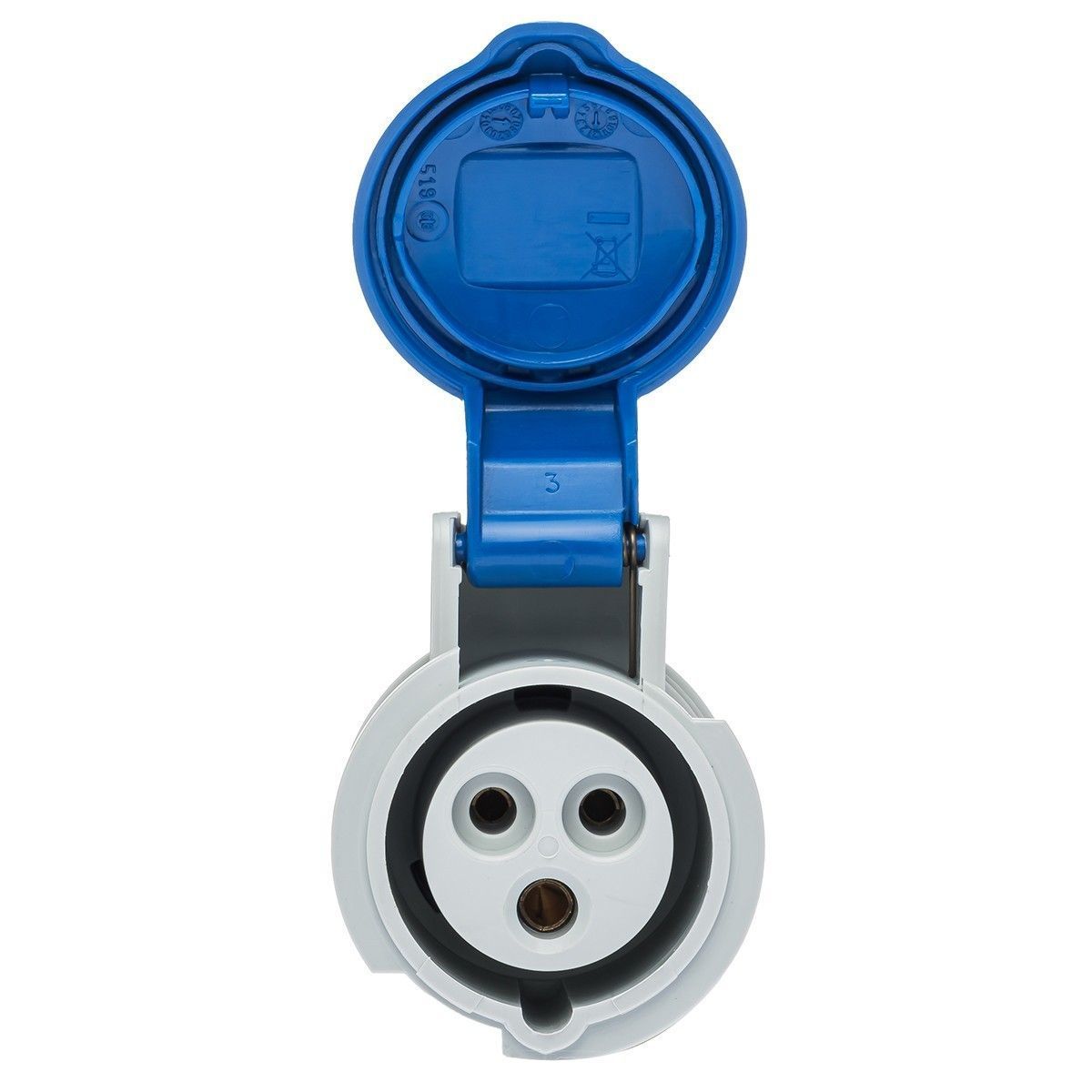
IP44 means an electrical enclosure is protected against solid objects larger than 1 millimeter, such as wires and small screws, and against water splashes coming from any direction. This rating indicates a standard level of durability suitable for indoor areas prone to moisture or sheltered outdoor spaces.
When choosing light fixtures, bathroom appliances, switches, or outdoor electrical enclosures, consumers and professionals frequently encounter standardized alphanumeric codes denoting environmental resilience. Among these, the IP44 rating appears extensively across residential and commercial hardware. Understanding what this rating signifies prevents electrical hazards, reduces equipment failure rates, and ensures compliance with building codes and electrical regulations.
What is an IP Rating?
The Ingress Protection (IP) rating system is an internationally recognized standard defined by the International Electrotechnical Commission (IEC) under standard IEC 60529. This framework classifies and rates the degree of protection provided by mechanical casings and electrical enclosures against intrusion, dust, accidental contact, and water.
The Structure of the Code
An IP code consistently consists of the letters "IP" followed by two distinct digits:
- The First Digit (0–6): Indicates the level of protection against solid foreign objects, ranging from fingers and tools to fine dust particles.
- The Second Digit (0–9): Indicates the level of protection against moisture and liquids, ranging from vertical dripping water to high-pressure, high-temperature water jets or continuous immersion.
If a rating does not require a test for one of the categories, the digit is typically replaced by an "X" (for example, IPX4), though this indicates an unrated specification rather than absolute zero protection.
Decoding IP44: Breaking Down the Digits
To understand the full scope of an IP44 rating, each digit must be analyzed independently against the IEC 60529 testing criteria.
The First Digit: 4 (Solid Protection)
The number 4 in the first position signifies protection against solid objects with a diameter greater than 1.0 millimeter.
- What it blocks: Thick wires, slender tools, screws, ants, and larger insects. A rigid wire or tool probe measuring 1.0 mm or greater cannot penetrate the enclosure in a way that creates a safety hazard or comes into contact with internal live components.
- What it does not block: Fine dust, sand, or microscopic debris. Because the protection level stops at 1.0 mm, IP44 enclosures are not dust-tight. Fine dust particles can accumulate inside the casing over extended periods if deployed in heavily particulate-laden environments.
The Second Digit: 4 (Liquid Protection)
The number 4 in the second position signifies protection against water splashing against the enclosure from any direction.
- What it withstands: Rain, splashing water from sinks or showers, accidental spills, and water sprayed by a nozzle at various angles. Testing for this level involves oscillating a spray nozzle around the enclosure for a minimum of 10 minutes with a specified volume and pressure of water.
- What it cannot withstand: Submersion in water, high-pressure water jets (such as commercial pressure washers), or continuous heavy streams of water directed forcefully at seams or seals.
Where and When to Use IP44 Equipment
Selecting the appropriate IP rating depends entirely on the operational environment. Installing an improperly rated fixture can lead to short circuits, equipment corrosion, electrical shocks, or premature hardware failure.
Suitable Applications
- Bathrooms (Outside Zone 2 and Splash Zones): According to regional wiring regulations such as BS 7671 in the United Kingdom, bathrooms are divided into zones. IP44 is often the minimum acceptable rating for light fixtures and electrical accessories installed near sinks, mirrors, or areas subjected to occasional water splashes, provided they are outside direct wet zones.
- Sheltered Outdoor Areas: Porches, covered patios, balconies, and under-eave exterior lighting frequently utilize IP44 fixtures. These locations experience ambient humidity and wind-driven rain, but lack direct exposure to heavy, uninhibited weather streams.
- Commercial Kitchens and Utility Rooms: Areas where water is handled, cleaned, or condensed regularly—such as laundry rooms or commercial prep spaces—benefit from the splash-proof nature of IP44 enclosures, provided they are not subjected to direct hose-downs.
Inappropriate Applications
- Unsheltered Outdoor Spaces: Completely open gardens, exposed pathways, and uncovered exterior walls generally require higher protection levels, such as IP65 or IP67, to withstand heavy rainfall, pooling water, and blowing dust.
- Underwater or Submersible Installations: Ponds, fountains, and swimming pool lights require IP67 or IP68 ratings, as IP44 cannot prevent water ingress under sustained pressure or full submersion.
- Dust-Heavy Industrial Environments: Woodworking shops, cement manufacturing plants, and dusty agricultural buildings require an initial dust digit of 5 or 6 (e.g., IP54 or IP65) to prevent fine particulate matter from short-circuiting sensitive electronics.
Comparing IP44 to Other Common IP Ratings
To contextualize IP44, it helps to examine how it compares to ratings immediately above and below it in the standard hierarchy.
| IP Rating | Solid Protection (First Digit) | Liquid Protection (Second Digit) | Typical Use Cases |
|---|---|---|---|
| IP20 | Protected against objects > 12.5mm (fingers) | No protection (0) | Indoor dry living rooms, bedrooms, standard office fixtures. |
| IP44 | Protected against objects > 1.0mm (wires/tools) | Protected against water splashes from all directions | Bathrooms, covered porches, damp indoor utility spaces. |
| IP55 | Dust-protected (limited ingress, no harmful deposit) | Protected against water jets (low pressure) from all directions | Outdoor areas with moderate weather and dust exposure. |
| IP65 | Dust-tight (full protection against dust ingress) | Protected against water jets (low pressure) from all directions | Exposed outdoor security lights, industrial washdown zones. |
| IP67 | Dust-tight (full protection against dust ingress) | Protected against temporary immersion in water | Underground landscape lights, marine equipment, submersible gear. |
Installation Guidelines and Best Practices
Achieving the performance implied by an IP44 rating depends heavily on proper installation and maintenance. An enclosure with an IP44 rating can easily fail if installed incorrectly.
Gaskets, Seals, and O-Rings
Most IP44 enclosures rely on rubber or silicone gaskets around access panels, cable entry points, and glass covers. Installers must ensure these seals are seated correctly, free of debris, and not pinched during closure. A single pinched gasket creates a channel for moisture to enter.
Cable Glands and Knockouts
When running electrical wires into an IP44 box or fixture, standard open holes compromise the rating. Installers must use rated cable glands, rubber grommets, or silicone sealant matching the enclosure's integrity. Punching oversized holes or leaving knockouts unsealed reduces the physical protection level to zero.
Orientation and Mounting
Manufacturers test enclosures in specific orientations. Mounting a light fixture upside down or sideways against the manufacturer's manual can alter how water drains or pools, allowing splashes to bypass protective drip edges. Always verify the manufacturer's installation guidelines regarding mounting angles.
Maintenance and Troubleshooting
Over time, environmental factors degrade materials, potentially compromising an IP44-rated installation. Routine checks help maintain electrical safety.
- Inspect Seals Annually: Rubber and silicone degrade when exposed to ultraviolet (UV) radiation, extreme temperature fluctuations, and harsh cleaning chemicals. Check for brittleness, cracking, or shrinkage in gaskets.
- Check for Condensation: If moisture accumulates inside an IP44 sealed enclosure despite no liquid ingress, temperature swings may be causing internal condensation. Ensure any designated weep holes or ventilation channels are clear, or upgrade to a management system with desiccant packs if necessary.
- Verify Fastener Torque: Loose screws on cover plates compromise the uniform compression required to seal gaskets against moisture. Re-torque screws evenly in a cross-pattern during routine maintenance.
Frequently Asked Questions
Can I use an IP44 light fixture inside my shower enclosure?
No. Direct shower spray and steam require a much higher liquid protection rating, typically IP65 or higher, depending on the specific bathroom zone and proximity to the water source. IP44 is only suitable for zones outside the immediate wet area, such as above mirrors or general bathroom ceilings outside splash reach.
Is IP44 considered waterproof?
No. IP44 is splash-proof, not waterproof. It can withstand water splashes, light rain, and humidity, but it cannot survive being submerged in water or subjected to powerful, pressurized water streams.
Does IP44 protect against dust?
It offers limited protection against solid objects larger than 1.0 mm, but it is not dust-tight. Fine dust particles can enter an IP44 enclosure over time, making it unsuitable for very dusty or sandy environments.
What is the difference between IP44 and IP65?
An IP44 rating protects against objects over 1.0 mm and water splashes from any direction, making it ideal for sheltered or damp areas. An IP65 rating is dust-tight and protects against low-pressure water jets, making it suitable for fully exposed outdoor installations and harsh weather conditions.
Can IP44 electrical accessories be installed outdoors in the rain?
They should only be installed in fully sheltered outdoor locations where they are protected from direct, heavy rainfall, such as under deep eaves or covered patios. Exposed outdoor locations require higher ratings, such as IP65.
Conclusion
Understanding the IP44 meaning ensures that you select the right electrical hardware for damp or semi-exposed environments. By balancing solid object and liquid protection criteria, professionals and homeowners can protect electrical installations against splashes and minor debris. Always evaluate your specific environmental conditions against manufacturer specifications, adhere to local electrical codes, and consult a qualified electrician if you are uncertain about installation requirements.