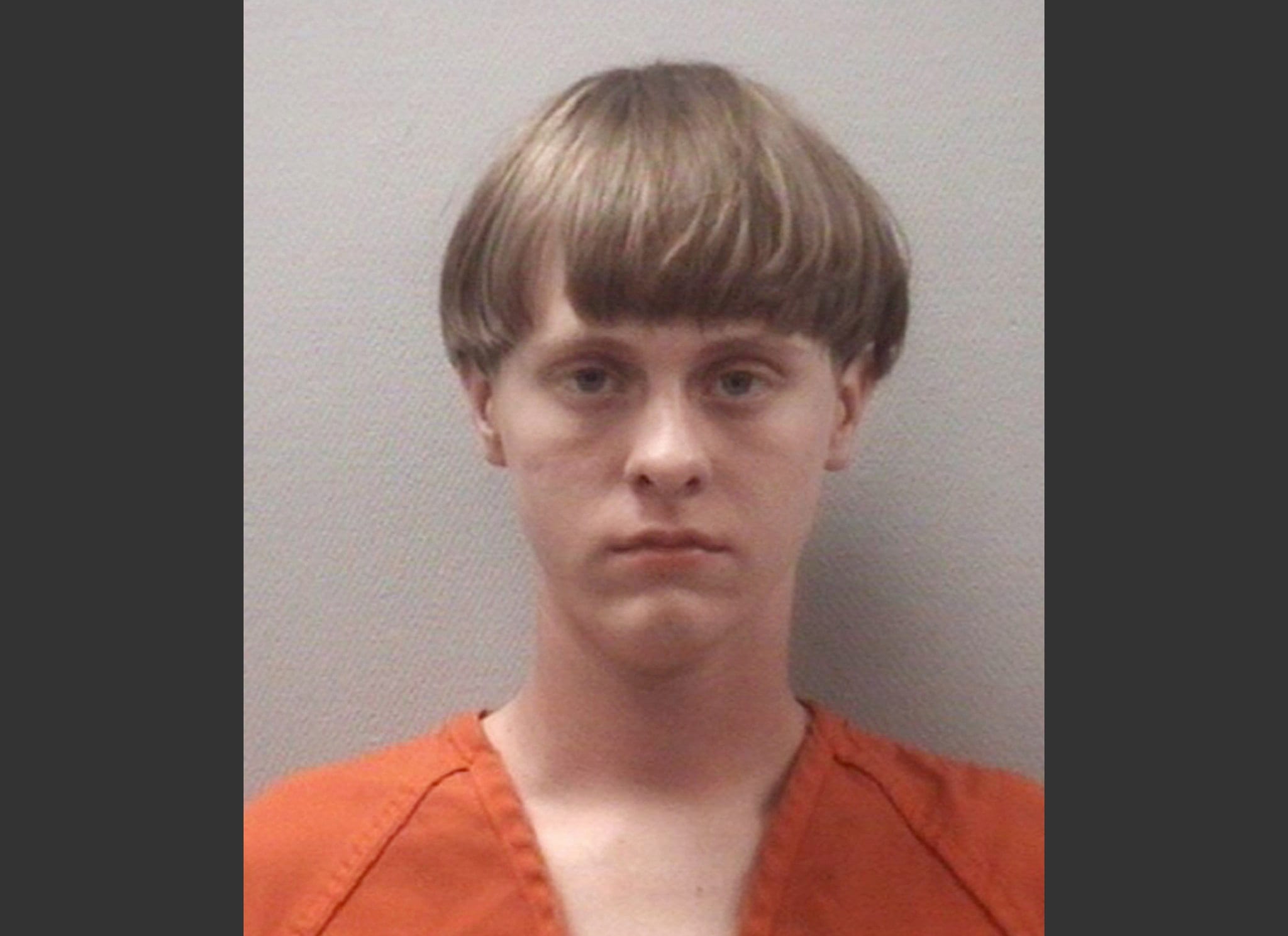
Dylann Roof is a convicted white supremacist who carried out the mass shooting at the Emanuel African Methodist Episcopal Church in Charleston, South Carolina, on June 17, 2015. He killed nine Black parishioners during a Bible study session. In 2017, he became the first person in United States history to be sentenced to death for federal hate crimes.
The Charleston Church Massacre: June 17, 2015
The events of June 17, 2015, remain one of the most harrowing instances of domestic terrorism and racially motivated violence in modern American history. Dylann Roof, then 21 years old, entered the historic Emanuel African Methodist Episcopal Church—often referred to as "Mother Emanuel"—during a scheduled Wednesday evening Bible study. The church, one of the oldest Black congregations in the Southern United States, has a long history of civil rights activism.
Roof was welcomed by the group and sat with them for approximately 45 minutes before drawing a .45-caliber Glock 41 handgun. He targeted the parishioners specifically because of their race, firing dozens of rounds. The attack resulted in the deaths of nine people, including the church’s senior pastor and state senator, Clementa C. Pinckney. Roof reportedly spared one person so she could "tell the story" of why he had committed the massacre, stating his desire to ignite a "race war."
The Victims of Mother Emanuel
The individuals killed in the attack are remembered as the "Emanuel Nine." Their lives represented a cross-section of the Charleston community, ranging from educators and ministers to librarians and civil servants:
- Clementa C. Pinckney (41): Senior Pastor and State Senator.
- Sharonda Coleman-Singleton (45): Pastor and high school track coach.
- Tywanza Sanders (26): Recent college graduate.
- Ethel Lance (70): Longtime church sexton.
- Susie Jackson (87): Dedicated choir member and usher.
- Cynthia Hurd (54): Librarian and community leader.
- Depayne Middleton-Doctor (49): Minister and school administrator.
- Daniel Simmons (74): Retired pastor.
- Myra Thompson (59): Teacher and Bible study leader.
Radicalization and the "Last Rhodesian" Manifesto
In the aftermath of the shooting, investigators uncovered a website titled "The Last Rhodesian," which contained a manifesto and numerous photographs of Roof. These images depicted him posing with white supremacist symbols, including the Confederate battle flag and the flags of Rhodesia and apartheid-era South Africa. These artifacts provided a clear window into his radicalization process.
Roof’s manifesto detailed his transition from a person who lacked a strong interest in politics to a radicalized white supremacist. He cited the 2012 shooting of Trayvon Martin as his "awakening" point, claiming that his research into the case led him to biased sources that fueled his hatred toward Black Americans. This radicalization occurred almost entirely online, highlighting the role of digital echo chambers in fostering extremist ideologies. He expressed deep-seated resentment toward what he perceived as the "erasure" of white culture and advocated for a violent uprising to restore white dominance.
Federal and State Legal Proceedings
The legal response to the Charleston shooting was twofold, involving both federal and state prosecutions. Because the crime was motivated by racial animus and took place in a house of worship, it fell under federal hate crime statutes as well as state murder laws.
The Federal Trial (2016–2017)
The federal trial, presided over by U.S. District Judge Richard Gergel, began in December 2016. Roof faced 33 federal charges, including hate crimes resulting in death and the obstruction of the exercise of religion. One of the most controversial aspects of the trial was Roof’s decision to represent himself during the penalty phase. Legal experts noted that this was likely an attempt to prevent his defense team from introducing evidence of mental illness, which Roof believed would "discredit" his white supremacist motives.
On December 15, 2016, a jury found Roof guilty on all 33 counts. On January 10, 2017, the same jury recommended the death penalty. This marked the first time a federal defendant was sentenced to death for hate crimes.
The State Trial and Plea Agreement
Parallel to the federal case, South Carolina sought state charges for nine counts of murder and three counts of attempted murder. To avoid a second lengthy trial and provide closure for the families, Roof entered a guilty plea in state court in April 2017. In exchange, he was sentenced to nine consecutive life sentences without the possibility of parole. While this ensured he would never leave prison regardless of the federal outcome, the federal death sentence remained the primary legal focus.
Analysis of Appeals and Mental Health Claims
Since his conviction, Roof’s legal team has pursued various avenues for appeal, primarily focusing on his mental competency. Defense attorneys have argued that Roof suffered from various mental health issues, including Social Anxiety Disorder and traits of Autism Spectrum Disorder, which they believe made him unfit to represent himself during the federal penalty phase.
In 2021, a three-judge panel of the 4th U.S. Circuit Court of Appeals unanimously upheld his conviction and death sentence. The court’s opinion was strikingly blunt, stating that "no cold record or careful parsing of statutes can capture the full horror of what Roof did." In 2022, the U.S. Supreme Court declined to hear Roof's appeal, effectively exhausting his direct appeal options.
As of 2026, Roof continues to pursue post-conviction relief through "habeas corpus" motions (Section 2255). These motions typically argue that trial counsel was ineffective or that new evidence has come to light. However, given the overwhelming evidence of premeditation and Roof's own admissions, legal analysts view the likelihood of these motions succeeding as extremely low.
Incarceration and Current Status in 2026
Dylann Roof is currently incarcerated at the United States Penitentiary (USP) Terre Haute in Indiana. This facility houses the federal death row, known as the Special Communication Management Unit.
| Feature | Details |
|---|---|
| Inmate Name | Dylann Storm Roof |
| Register Number | 28501-171 |
| Current Location | USP Terre Haute, Indiana |
| Federal Status | Death Row (Sentenced Jan 2017) |
| State Status | Life without parole (Sentenced April 2017) |
| Last Major Appeal Action | SCOTUS refusal to hear case (2022) |
| Execution Date | Not currently scheduled |
Under the current administration in 2026, the status of federal executions remains a subject of significant policy debate. While a moratorium on federal executions was established in the early 2020s to review protocols and procedures, the sentences of those on death row, including Roof, remain intact. He remains in high-security isolation, with restricted access to the public and the media to prevent him from further disseminating extremist propaganda.
Societal Impact and the "Mother Emanuel" Legacy
The impact of the shooting extended far beyond the courtroom. It triggered a national reckoning over the public display of Confederate symbols. Within weeks of the shooting, then-Governor Nikki Haley signed legislation to remove the Confederate battle flag from the South Carolina State House grounds, a move that had been debated for decades but never achieved.
The Rise of Domestic Terrorism Awareness
The Roof case forced federal law enforcement to re-evaluate the threat of domestic white supremacist extremism. The FBI later admitted to a breakdown in the background check system that allowed Roof to purchase the firearm used in the attack, leading to calls for "the Charleston Loophole" to be closed. This loophole refers to a provision that allows a gun sale to proceed if a background check is not completed within three days.
Radical Forgiveness and Resilience
One of the most profound aspects of the tragedy was the response of the victims' families. During Roof’s initial bond hearing, just days after the shooting, several family members addressed him directly, offering "radical forgiveness." While this was not a universal sentiment among all families, it became a global symbol of grace and resilience, fundamentally shifting the narrative from one of racial division to one of community strength.
Frequently Asked Questions
Is Dylann Roof still on death row?
As of 2026, yes. Dylann Roof is currently held on federal death row at USP Terre Haute. Although he has been sentenced to death, the actual execution date has not been set due to ongoing legal reviews of federal execution protocols and the appeals process.
What was the "Charleston Loophole"?
The Charleston Loophole is a term used to describe a gap in the National Instant Criminal Background Check System (NICS). Under federal law, if the FBI does not complete a background check within three business days, a licensed dealer is legally allowed to sell the firearm. In Roof's case, a clerical error and the expiration of the three-day window allowed him to purchase his handgun despite having a prior drug arrest that should have disqualified him.
Did Dylann Roof show remorse during his trial?
No. Throughout his federal trial and subsequent sentencing, Roof remained unrepentant. In his journals and during his statements to the jury while representing himself, he maintained that his actions were necessary and that he did not regret what he had done. This lack of remorse was a significant factor in the jury's decision to recommend the death penalty.
What were the specific federal charges against him?
Roof was charged with 33 federal counts, including:
- 9 counts of using a firearm to commit murder in a crime of violence.
- 9 counts of hate crimes resulting in death.
- 9 counts of obstructing the exercise of religion resulting in death.
- 3 counts of hate crimes involving an attempt to kill.
- 3 counts of obstructing the exercise of religion involving an attempt to kill.
How did the shooting affect South Carolina law?
The most immediate legal and symbolic change was the removal of the Confederate battle flag from the State House grounds in July 2015. Additionally, the tragedy spurred renewed legislative efforts at both the state and federal levels to strengthen hate crime laws and reform background check procedures for firearm purchases.
Final Summary and Observations
The case of Dylann Roof stands as a dark milestone in American history, representing the intersection of digital radicalization, domestic terrorism, and the enduring struggle against racial violence. While Roof remains incarcerated in 2026, the legal and social ramifications of his actions continue to influence policy regarding hate crimes and extremist movements. For the families of the Emanuel Nine and the city of Charleston, the focus remains on honoring the lives lost and maintaining the "Mother Emanuel" spirit of resilience in the face of hatred.