Nasal worms—most notably Oestrus ovis, the sheep bot fly larvae—are specialized internal parasites that inhabit the nasal passages and frontal sinuses of sheep, goats, and occasionally other mammals, causing significant physiological stress, behavioral changes, and economic losses for livestock producers.
When livestock handlers notice persistent nasal discharge, violent sneezing, and erratic head movements in their flocks, nasal bots are often the underlying culprit. These parasites undergo a complex life cycle involving larval deposition by adult flies, migration through the upper respiratory tract, and subsequent expulsion into the environment to pupate. Understanding how these parasites operate, recognizing their clinical symptoms, and implementing targeted control strategies are essential for maintaining herd health and productivity.
What Are Nasal Worms? Biological Classification and Life Cycle
Nasal worms are not true helminths (worms) in the biological sense; rather, they are the larval stages of dipteran flies belonging to the family Oestridae. The most common species affecting domesticated livestock is Oestrus ovis, widely known as the sheep bot fly. These flies are robust, bee-like insects that do not feed as adults; their sole purpose during their brief adult lifespan is reproduction and the deposition of larvae into the nostrils of host animals.
The life cycle of Oestrus ovis is a sophisticated example of biological adaptation to a parasitic niche. It progresses through four distinct developmental stages: egg, larva (instar), pupa, and adult.
- Larval Deposition: Unlike many other flies that lay eggs, female sheep bot flies are viviparous. They deposit live first-stage larvae directly onto the external nares (nostrils) of resting or grazing sheep and goats while hovering in front of the animal's face.
- Larval Migration: Upon contact with the nasal mucosa, the tiny larvae use oral hooks and backward-pointing spines to crawl upward into the nasal passages and frontal sinuses.
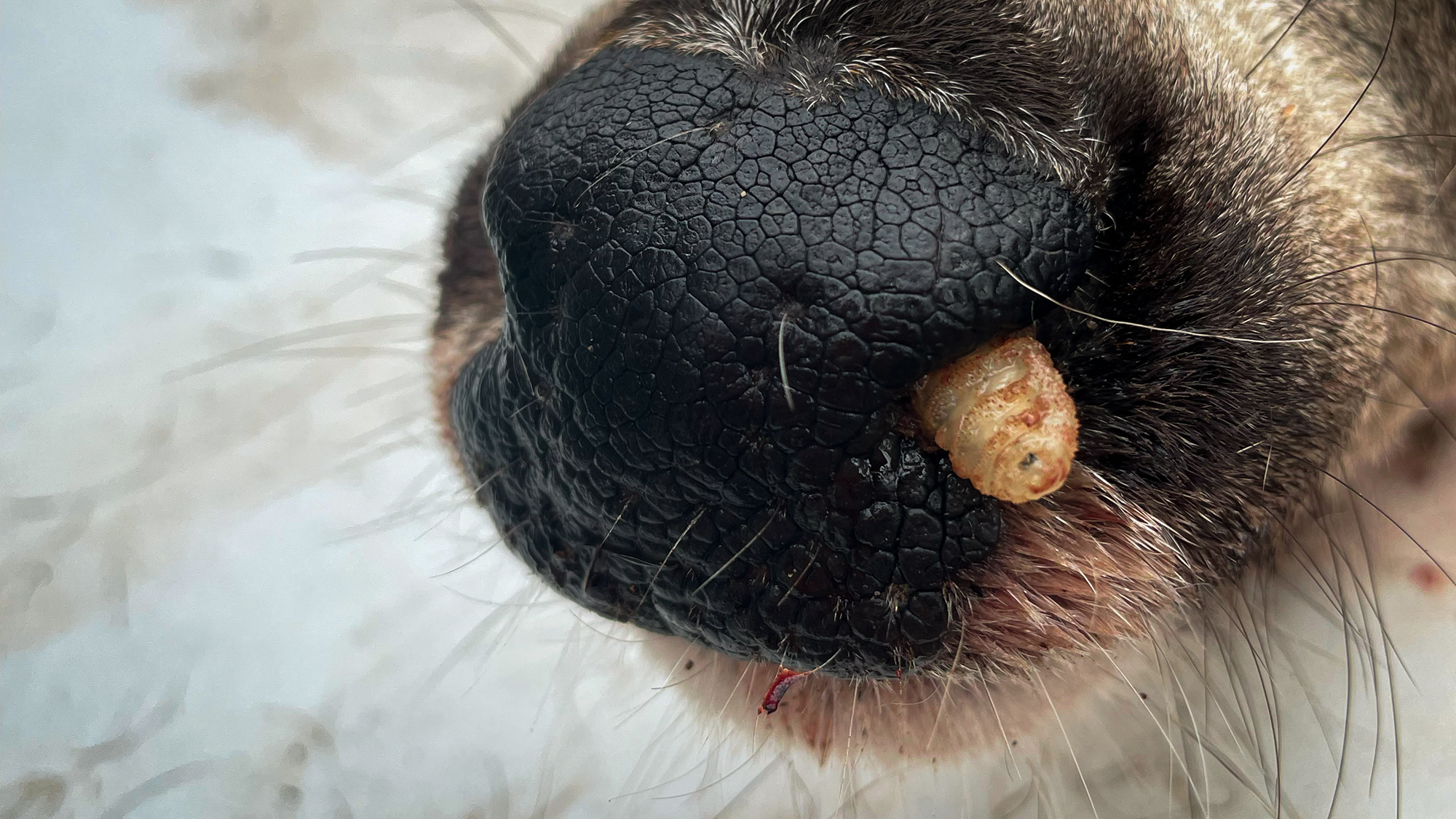
- Development in the Sinuses: Once inside the warm, nutrient-rich environment of the sinuses, the larvae undergo two molts, developing from first-instar larvae into second- and third-instar larvae over a period that can range from a few weeks to several months, depending on ambient temperatures and climate. Third-instar larvae can grow up to 3 centimeters in length and exhibit dark transverse bands.
- Pupation: When fully mature, the larvae migrate back down the nasal passages, are sneezed out or drop to the ground, and burrow into the soil to pupate. After a few weeks—or overwintering in colder regions—the adult flies emerge to restart the cycle.
| Larval Stage | Location in Host | Duration | Key Characteristics |
|---|---|---|---|
| First Instar | Nasal mucosa and turbinates | Days to weeks | Microscopic, equipped with oral hooks for attachment. |
| Second Instar | Nasal passages and upper sinuses | Weeks to months | Larger, growing in size as they feed on mucus and cellular debris. |
| Third Instar | Frontal sinuses | 1 to 10 months | Up to 3 cm long, banded appearance, heavily spined. |
Clinical Signs and Health Impacts on Livestock
The presence of nasal worms in a flock can lead to a spectrum of clinical manifestations, ranging from mild irritation to severe respiratory distress. The severity of the infestation—known medically as oestrosis—depends heavily on the larval burden within the nasal cavities and sinuses.
Behavioral Indicators
Animals heavily infested with Oestrus ovis larvae exhibit characteristic behavioral changes driven by the irritation and movement of the parasites across sensitive nasal membranes. Sheep and goats will frequently gather with their muzzles pressed against the ground or between the legs of other flock members to prevent flies from depositing larvae. Affected animals often shake their heads violently, stamp their feet, snort, and rub their noses against soil, rocks, or fences.
Physical and Physiological Symptoms
As the larvae migrate and feed on the mucous membranes, they induce localized inflammation, excessive mucus production (nasal discharge), and secondary bacterial infections. Common physical signs include:
- Clear, mucopurulent (containing mucus and pus), or blood-tinged nasal discharge from one or both nostrils.
- Frequent, violent sneezing and coughing as the host attempts to expel the irritants.
- Labored breathing and snoring sounds caused by airway obstruction from large third-instar larvae or swollen tissues.
- Facial swelling and occasional dullness or incoordination (known colloquially in some regions as "gid-like" symptoms, though distinct from true coenurosis).
Economic and Production Consequences
While mortality from nasal bot infestations is relatively low, chronic parasitism takes a heavy toll on production efficiency. Uncomfortable, restless animals spend less time grazing and more time attempting to escape the flies. This reduction in feed intake leads to lower weight gains in lambs, reduced milk production in ewes, and a general decline in overall body condition. Furthermore, chronic sinusitis compromises the animal's immune system, making them more susceptible to secondary respiratory pathogens.
Geographic Distribution, Seasonality, and Transmission
Nasal worms are distributed globally, thriving wherever sheep and goats are raised, particularly in temperate, Mediterranean, and tropical regions with distinct seasonal temperature patterns. The activity of adult bot flies is heavily dependent on ambient weather conditions.
Adult flies are most active during warm, sunny daylight hours, typically from late spring through autumn in temperate climates. They remain inactive during cold weather, high winds, and heavy rain. In colder regions, larvae ingested or deposited late in the season undergo hypobiosis—a state of arrested development inside the host's sinuses—overwintering safely until rising spring temperatures signal the resumption of growth.
Transmission occurs exclusively through direct interaction with adult female flies. Because the flies do not travel vast distances independently, introduction of the parasite into a clean herd usually occurs via the purchase of infected animals carrying developing larvae in their sinuses.
Diagnosis of Nasal Bot Infestations
Diagnosing oestrosis in live animals relies primarily on clinical observation, history, and seasonal context. Because the parasites reside deep within the nasal passages and frontal sinuses, routine fecal flotations are entirely ineffective, as the larvae do not shed eggs into the digestive tract.
Veterinarians and producers evaluate the following diagnostic indicators:
- Flock History and Seasonality: The presence of characteristic head-tossing and nasal discharge during warm summer or autumn months strongly suggests bot fly activity.
- Clinical Examination: Observing visible larvae expelled during violent sneezes provides definitive confirmation. Endoscopic examination of the upper respiratory tract can reveal larvae in the nasal cavity, though this is rarely performed in commercial field settings due to cost and practicality.
- Post-Mortem Examination: Inspection of the nasal cavities and frontal sinuses during necropsy or at slaughterhouses remains the most accurate method for determining the exact larval burden and species present.
Management, Prevention, and Treatment Strategies
Effective control of nasal worms requires a comprehensive parasite management program that combines chemical intervention, environmental management, and strategic timing. Because reinfection is common in endemic regions, complete eradication is rarely practical; instead, the goal is to maintain parasite populations below levels that cause economic loss or animal welfare concerns.
Pharmacological Treatment
Antiparasitic medications are the cornerstone of oestrosis control. Macrocyclic lactones—such as ivermectin, doramectin, and moxidectin—exhibit high efficacy against Oestrus ovis larvae.
- Timing of Treatment: To maximize efficacy, treatments should be timed strategically based on regional climate data. Treating animals at the end of the fly season (autumn or early winter) eliminates overwintering larvae undergoing hypobiosis, preventing spring emergence and reducing the next generation of flies.
- Administration: These drugs can be administered via subcutaneous injection or oral drench, depending on the specific formulation and regulatory approvals in your jurisdiction. Always consult a licensed veterinarian to ensure proper dosing and adherence to meat and milk withdrawal periods.
Environmental and Husbandry Practices
While chemical treatments provide immediate relief, farm management practices can reduce the impact of adult bot flies:
- Shelter Provision: Providing shaded areas, barns, or dark shelters during peak daytime fly activity allows animals to escape hovering females. Bot flies generally avoid entering dark buildings.
- Quarantine and Biosecurity: New additions to the flock should be inspected and treated for internal and external parasites, including nasal bots, before being integrated into the main herd.
- Pasture Rotation: While less effective against mobile adult flies than against pasture-bound helminths, rotating grazing areas can help manage overall stress and improve general herd resilience.
Common Mistakes in Nasal Worm Management
Livestock producers occasionally encounter persistent parasite issues due to common operational errors in treatment and prevention protocols:
- Relying Solely on Fecal Testing: Assuming a negative fecal egg count means a flock is free of nasal bots. Fecal tests do not detect bots, as larvae live in the respiratory tract, not the gut.
- Untimed Treatments: Administering dewormers during mid-summer when reinfection rates from active adult flies are at their peak, rather than targeting overwintering larvae.
- Ignoring Withdrawal Periods: Failing to observe mandatory meat and milk withholding times following the administration of macrocyclic lactones, resulting in regulatory violations and residue risks.
- Neglecting New Additions: Introducing untreated stock from endemic areas, thereby reseeding the property with new strains of bot flies.
Frequently Asked Questions
Can humans contract nasal worms from sheep or goats?
Yes, human infection by Oestrus ovis can occur, though it is rare and classified as an accidental zoonosis. It typically happens when an adult fly deposits larvae directly into the eye or nose of a human handler, livestock farmer, or veterinarian working closely with infected flocks. This condition, known as external ophthalmomyiasis in the eye or nasal myiasis, causes localized irritation, conjunctivitis, or nasal discharge. Manual removal of the larvae by a medical professional resolves the condition quickly.
Do nasal worms affect cattle or horses?
While cattle and horses host their own specialized species of bot flies (such as Hypoderma species affecting cattle hides and back tissue, or Gasterophilus species affecting horse digestive tracts), they are not primary hosts for Oestrus ovis. Sheep and goats remain the primary and preferred hosts for nasal bots.
Are natural or organic remedies effective against nasal bots?
Scientific evidence supporting the efficacy of essential oils, herbal drenches, or traditional home remedies against nasal bot larvae is extremely limited. While certain strong-scented oils may temporarily deter adult flies from landing on a sheep's nose, they do not kill larvae already established within the frontal sinuses. Chemical anthelmintics remain the proven standard for clearing established infestations.
How can I tell if my sheep have nasal worms or a bacterial respiratory infection?
Nasal bot infestations and bacterial pneumonia or sinusitis share similar symptoms, such as nasal discharge and labored breathing. However, nasal bots are uniquely accompanied by frequent head-tossing, nose-rubbing, and violent sneezing, often synchronized with warm weather and the presence of buzzing flies. A veterinarian can differentiate between the two conditions through clinical examination and prescribe the appropriate targeted treatment.
Practical Next Steps for Livestock Producers
If you suspect your flock is suffering from a nasal worm infestation, the most prudent course of action is to consult your local livestock veterinarian. Request a herd health evaluation to confirm the diagnosis, review your current parasite control calendar, and select an appropriate macrocyclic lactone treatment tailored to your local climate and regional withdrawal guidelines. Implementing a disciplined seasonal treatment protocol will safeguard your animals' respiratory health, reduce production losses, and ensure optimal welfare across your flock.