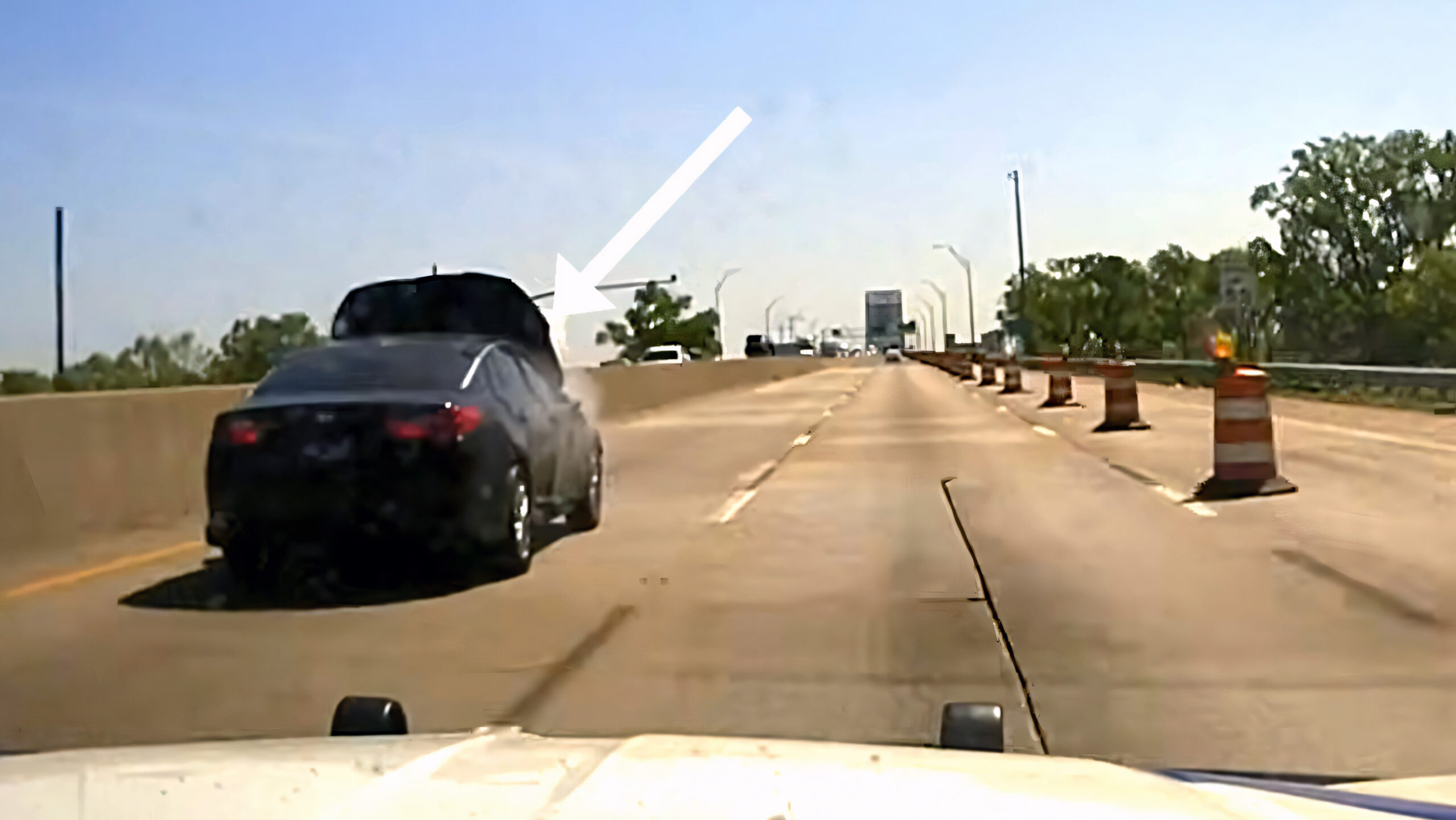
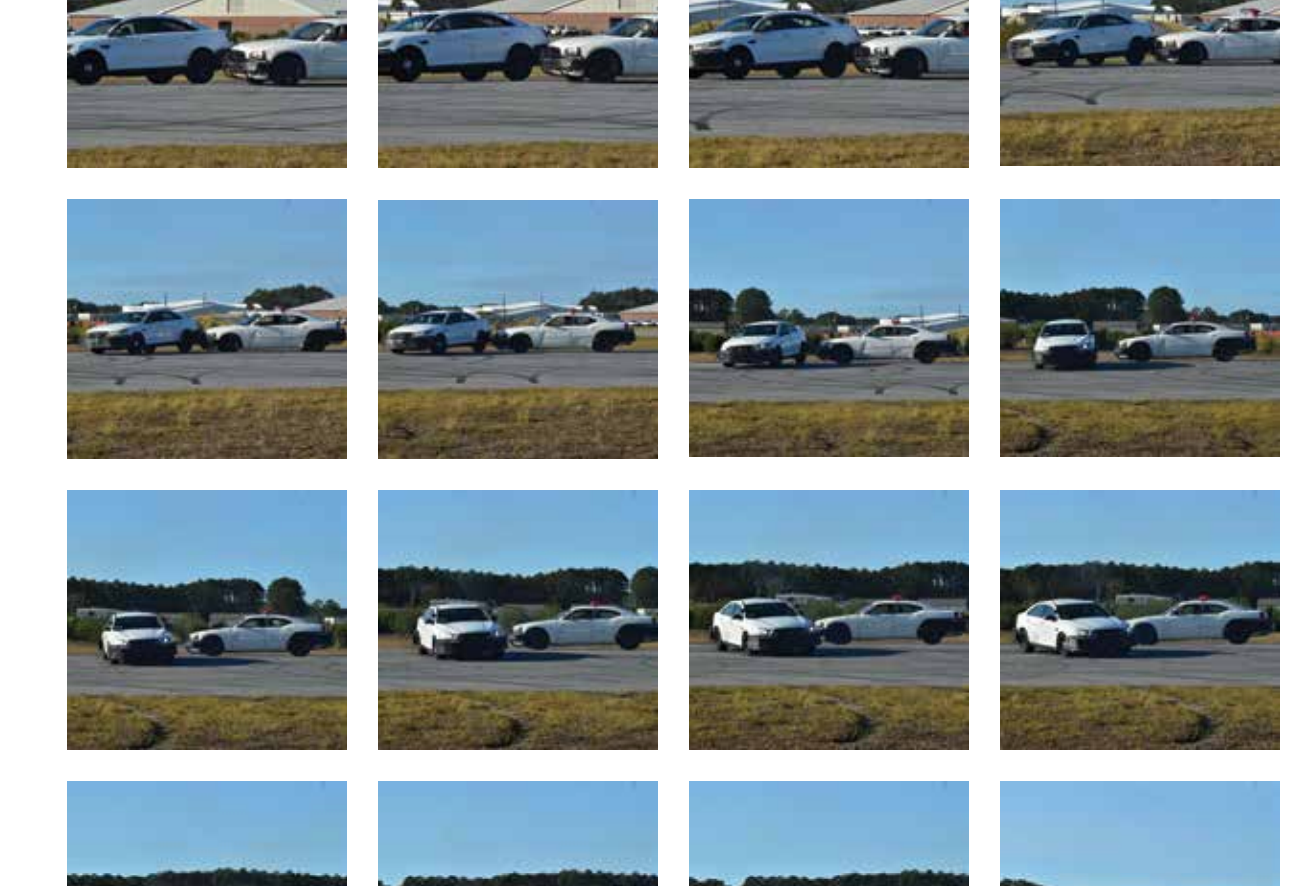
The PIT maneuver, or Pursuit Intervention Technique, is a tactical maneuver used by law enforcement to force a fleeing vehicle to turn sideways abruptly, causing the driver to lose control and stop. By bumping the rear quarter panel of the suspect's car, the officer induces a spin that safely terminates high-speed chases.
The Pursuit Intervention Technique (PIT) remains one of the most recognizable and effective tools in the law enforcement arsenal for ending vehicle pursuits. As of 2026, despite advancements in drone technology and GPS tracking, the physical intervention of a patrol vehicle remains a primary method for stopping non-compliant drivers who pose an immediate threat to public safety. This guide explores the technical mechanics, legal frameworks, and operational risks associated with the PIT maneuver.
What is a PIT Maneuver?
The PIT maneuver is a specific driving tactic where a pursuing officer uses their patrol vehicle to nudge the rear side of a fleeing vehicle. The goal is not to "ram" the vehicle in a traditional sense, but to cause a controlled loss of traction in the suspect vehicle's rear wheels. When executed correctly, the suspect vehicle spins 180 degrees, the engine often stalls, and the vehicle comes to a stop, allowing officers to move in for an arrest.
The acronym "PIT" is often interpreted in two ways: Pursuit Intervention Technique or Precision Intervention Technique. While the terms are used interchangeably, they both describe the same mechanical process. The technique was refined and popularized in the late 20th century, notably by the Fairfax County Police Department in Virginia, drawing from techniques used in professional stock car racing (specifically "bump drafting" and "spinning out" opponents).
By 2026, the PIT maneuver has become a standardized part of Emergency Vehicle Operator Course (EVOC) training across the United States and several international jurisdictions. It is classified as a "less-lethal" application of force, though its classification can shift toward "deadly force" depending on the speed at which it is performed and the environment in which it occurs.
The Physics of the Maneuver: How It Works
The effectiveness of the PIT maneuver relies on the principles of centripetal force and the friction limits of automotive tires. Every vehicle has a center of gravity and a specific threshold for lateral (side-to-side) stability.
- The Contact Point: The officer aligns the front bumper of the patrol car (specifically the area near the front tire) with the rear quarter panel of the suspect vehicle, just behind the rear wheel.
- The Lateral Push: The officer gives a firm, steering-input-driven nudge into the suspect's vehicle. This is not a high-speed collision but a steady application of force.
- Traction Disruption: This lateral force overcomes the static friction of the suspect vehicle's rear tires. Because the rear of the car is relatively light compared to the front (which houses the engine in most vehicles), it is more susceptible to being pushed out of its line of travel.
- The Pivot: Once the rear wheels lose grip, the vehicle begins to rotate around its front axis (the front wheels, which still have some directional stability). This causes the car to "fishtail" and eventually spin.
- The Follow-Through: The officer must steer into the suspect vehicle and then quickly counter-steer to maintain control of their own patrol car, avoiding being caught in the suspect's spin.
The introduction of modern Electronic Stability Control (ESC) and Traction Control Systems (TCS) in newer vehicles has necessitated updates to PIT training. In 2026, officers are trained to understand how a suspect vehicle’s onboard computer might attempt to "correct" the spin, requiring a more sustained push to override the vehicle's automated safety features.
Standard Operating Procedures and Prerequisites
A PIT maneuver is never performed arbitrarily. It is a calculated decision based on a "Use of Force" continuum. Before an officer initiates a PIT, several environmental and technical conditions must be met to ensure the safety of the officer, the suspect, and the public.
Speed Thresholds
Historically, the PIT maneuver is designed to be performed at speeds between 35 mph and 45 mph. At these speeds, the risk of the suspect vehicle rolling over is statistically lower. Executing a PIT at speeds exceeding 55 or 60 mph is generally considered "deadly force" by most agency policies because the kinetic energy involved makes the vehicle’s behavior unpredictable and significantly increases the likelihood of a fatal crash or rollover.
Vehicle Weight and Type
Officers must account for the "weight ratio" between vehicles. A standard police interceptor (such as a Ford Explorer Hybrid or a specialized electric pursuit vehicle) can easily PIT a sedan. However, attempting to PIT a fully loaded tractor-trailer, a heavy SUV, or a vehicle with a high center of gravity (like a lifted pickup truck) is extremely dangerous. A high center of gravity increases the "moment of inertia," making a rollover almost certain rather than a flat spin.
Environmental Factors
The surroundings play a critical role in the decision-making process. Ideally, a PIT should be performed on:
- A level, paved surface with high friction.
- A road with clear "run-off" areas (no immediate trees, utility poles, or steep embankments).
- An area free of pedestrian traffic or other uninvolved motorists.
Comparing Pursuit Termination Methods
The PIT maneuver is one of several tools used to end pursuits. The following table compares the PIT maneuver to other common interventions utilized by law enforcement in 2026.
| Method | Primary Mechanism | Optimal Speed | Risk Level | Use Case |
|---|---|---|---|---|
| PIT Maneuver | Controlled lateral contact | 35–45 mph | Moderate | Urban/Suburban roads; requires proximity. |
| Spike Strips | Tire deflation (hollow needles) | Any speed | Low/Moderate | Pre-emptive deployment; requires forward planning. |
| Rolling Block | Surrounding vehicle with patrol cars | Low speeds | Low | Boxing in a suspect at a stop or slow crawl. |
| StarChase | GPS projectile attachment | Any speed | Very Low | Long-term tracking to avoid high-speed chases. |
| Tactical Ramming | High-energy collision | Low speeds | High | Immediate threat; disabling a stationary or slow vehicle. |
Step-by-Step Execution of the Technique
Executing a PIT maneuver requires precision and "muscle memory" developed through rigorous EVOC training. The process can be broken down into four distinct phases.
Phase 1: Positioning
The officer must first close the gap between the patrol vehicle and the suspect vehicle. The patrol car moves to either the left or right rear side of the fleeing car. The officer's front tire should be roughly aligned with the suspect's rear tire.
Phase 2: The Match
The officer matches the speed of the suspect vehicle exactly. Any significant speed differential (either faster or slower) during the moment of contact can lead to a "clashing" of metal that might damage the patrol car's steering or cause the suspect vehicle to lunge forward rather than spin.
Phase 3: The Commitment
The officer turns the steering wheel approximately 1/4 to 1/2 turn toward the suspect vehicle. Simultaneously, they apply a slight amount of acceleration. This "push" ensures that the patrol car stays in contact with the suspect vehicle long enough to fully disrupt its traction.
Phase 4: Recovery
As the suspect vehicle begins to spin, the officer must "steer out" of the maneuver. This involves quickly turning the wheel in the opposite direction to regain a straight path of travel. Failure to do this often results in the officer following the suspect into the ditch or hitting the spinning vehicle a second time.
Risks, Safety Considerations, and Failures
While effective, the PIT maneuver is not without significant risks. Even when performed perfectly, external variables can lead to unintended consequences.
- Rollovers: This is the most common "catastrophic" failure. If a vehicle's tires "trip" on a curb, soft dirt, or a pothole during the spin, the lateral energy is converted into vertical energy, flipping the vehicle.
- Secondary Collisions: In a spin, the suspect vehicle becomes an unguided projectile. It may slide into oncoming traffic, strike parked cars, or hit pedestrians.
- Mechanical Failure: The impact can trigger airbag deployment in the patrol vehicle, potentially blinding the officer or disabling the police car’s electronics, leaving the officer vulnerable at the end of the pursuit.
- Suspect Resistance: High-performance vehicles or all-wheel-drive (AWD) systems can sometimes "power out" of a PIT if the officer does not maintain contact long enough, leading to a continuation of the pursuit with a now-damaged vehicle.
In 2026, many modern patrol vehicles are equipped with "PIT bumpers"—reinforced steel frames integrated into the front chassis—to minimize damage to the patrol car and prevent the deployment of front-facing airbags during low-speed tactical contact.
Legal and Ethical Implications
The use of the PIT maneuver is governed by the Fourth Amendment of the U.S. Constitution, which protects citizens against "unreasonable searches and seizures." The U.S. Supreme Court case Scott v. Harris (2007) is the landmark ruling regarding pursuit interventions. The court ruled that an officer's attempt to terminate a dangerous high-speed car chase that threatens the lives of innocent bystanders does not violate the Fourth Amendment, even if it places the fleeing motorist at risk of serious injury or death.
However, departmental policies are often stricter than federal law. By 2026, most major metropolitan departments require:
- Authorization: A supervisor must often give the "green light" over the radio before a PIT is attempted.
- Proportionality: The crime the suspect is wanted for must justify the risk of the maneuver. (e.g., A PIT might be authorized for a violent felon but discouraged for a simple expired registration).
- Documentation: Post-maneuver investigations are standard, requiring dashcam and bodycam footage to prove the speed and environmental conditions were within policy limits.
FAQ
Is the PIT maneuver considered deadly force?
Generally, if performed under 45 mph, it is considered a "less-lethal" tactical intervention. However, if the maneuver is performed at high speeds (typically above 55-60 mph) or in a location with high risks of fatal injury (like near a bridge), it is classified as deadly force. The classification depends on the "objective reasonableness" of the officer's actions given the specific circumstances.
Can a PIT maneuver be performed on an electric vehicle (EV)?
Yes, but with caveats. EVs often have a very low center of gravity due to the floor-mounted battery pack, which makes them harder to flip but also more stable against lateral pushes. In 2026, officers are trained to apply more sustained force when PITing an EV to overcome the heavy "curb weight" and advanced stability software found in modern electric drivetrains.
What happens to the officer if the PIT maneuver fails?
If an officer follows departmental policy and EVOC training but the maneuver results in an accident, they are typically protected by qualified immunity. However, if an officer violates speed thresholds or performs the maneuver in a prohibited zone (like a school zone), they may face internal disciplinary action, civil lawsuits, or even criminal charges.
Why don't police use "kill switches" instead of PIT maneuvers?
While remote "kill switch" technology (like OnStar's Stolen Vehicle Assistance) exists, it is not universal across all vehicle makes and models. Furthermore, older vehicles lack the necessary hardware. Until 100% of the vehicle fleet on the road is equipped with standardized, encrypted remote shutdown capabilities, physical interventions like the PIT maneuver remain necessary.
Can civilian vehicles perform a PIT maneuver?
While the physics of a PIT maneuver work for any vehicle, it is highly illegal and dangerous for civilians to attempt it. Without a reinforced bumper, specialized training, and legal authorization, a civilian attempting a PIT will likely cause a major accident, face "assault with a deadly weapon" charges, and be held liable for all damages and injuries.
Practical Recommendation
The PIT maneuver is a high-stakes tactical skill that requires continuous training and psychological readiness. For law enforcement agencies, the recommendation for 2026 is to integrate Advanced Pursuit Simulation into annual training cycles. This allows officers to practice the maneuver in various weather conditions and against different vehicle types (including EVs and autonomous-capable cars) in a risk-free virtual environment. For the general public, the best "defense" against a PIT maneuver is to never engage in a pursuit; once a PIT is initiated, the physics of the spin are nearly impossible for an untrained driver to counter, and the risk of injury is substantial.