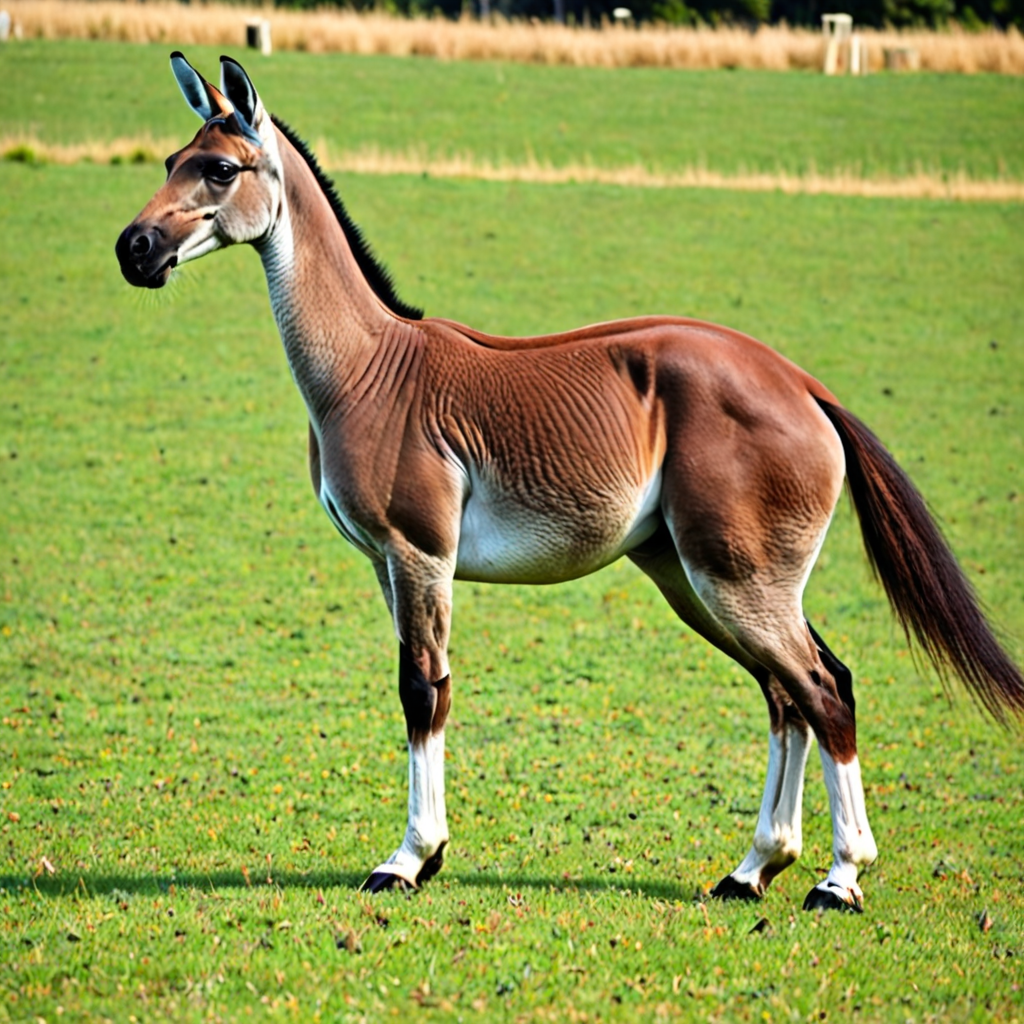
Horse hybrids are cross-species equines resulting from the mating of different members of the Equidae family, most commonly combining donkeys and horses to produce mules and hinnies, or crossing horses with zebras to produce zorses. These unique animals almost always inherit an odd number of chromosomes, rendering them sterile in the vast majority of cases while granting them distinct physical and psychological traits that blend the characteristics of both parent species.
Introduction to Equine Crossbreeding and Hybridization
The process of equine hybridization has fascinated humans for thousands of years, primarily because it bridges distinct wild and domestic lineages within the genus Equus. While horses (Equus caballus) and donkeys (Equus asinus) have evolved separately for millions of years, they remain genetically close enough to successfully mate. However, this genetic proximity stops short of full compatibility, resulting in offspring with unique biological traits.
To understand horse hybrids, one must first recognize the fundamental taxonomy of the family Equidae. The family consists of a single extant genus, Equus, which includes horses, donkeys, and zebras. Despite geographical and evolutionary divergence, these species retain matching chromosomal structures or close enough alignments to produce offspring under specific management conditions. Mules and hinnies remain the most famous and economically important horse hybrids, historically serving as resilient beasts of burden across challenging terrains. Meanwhile, more exotic crosses involving zebras, collectively known as zebroids, highlight the broader genetic plasticity within the equine family, even if they present significant handling and behavioral challenges.
The Genetics of Equine Hybrids: Chromosomes and Sterility
At the heart of every horse hybrid lies a fundamental chromosomal mismatch. Domestic horses possess 64 chromosomes (32 pairs), while donkeys possess 62 chromosomes (31 pairs). When a male donkey (jack) is bred with a female horse (mare), the resulting offspring—the mule—inherits 63 chromosomes. This odd number prevents normal homologous pairing during meiosis, the specialized cell division required to produce gametes (sperm and egg cells).
| Hybrid Type | Sire (Father) | Dam (Mother) | Chromosome Count | Fertility Status |
|---|---|---|---|---|
| Mule | Donkey (Equus asinus) | Horse (Equus caballus) | 63 | Sterile (Rare exceptions) |
| Hinny | Horse (Equus caballus) | Donkey (Equus asinus) | 63 | Sterile |
| Zorse | Zebra (Equus spp.) | Horse (Equus caballus) | Variable (Usually 55–63) | Sterile |
| Hinney/Zebra Cross | Zebra (Equus spp.) | Donkey (Equus asinus) | Variable | Sterile |
Because the chromosomes cannot pair up properly during gametogenesis, functional germ cells are virtually never formed, rendering the vast majority of horse hybrids sterile. Historical and veterinary literature records extremely rare instances of female mules producing foals when bred back to a horse stallion, but these occurrences are genetic anomalies where the maternal chromosomes pass through unreduced. Male mules, on the other hand, are completely sterile due to arrested spermatogenesis.
Mules and Hinnies: The Most Common Horse Hybrids
Mules and hinnies represent the pinnacle of utilitarian horse hybridization. Despite both possessing 63 chromosomes and appearing superficially similar to the untrained eye, they differ based on which species contributed the sire and which contributed the dam.
The Mule
The mule is the offspring of a donkey jack and a horse mare. This is by far the more common cross because mares are generally larger than female donkeys (jennets), allowing for a safer gestation and a larger, more robust offspring. Mules inherit the endurance, sure-footedness, and stoic demeanor of the donkey, combined with the size, strength, and athletic capability of the horse. They are renowned for their intelligence, high survival instincts, and resilience in hot, arid environments where standard horses might struggle.
The Hinny
The hinny is the reciprocal cross, produced by breeding a horse stallion to a donkey jennet. Because donkeys are smaller than horses, hinnies tend to be smaller, finer-boned, and more closely resemble the donkey in voice and body proportions. Hinnies are notoriously more difficult to breed due to the physiological and behavioral differences between horses and donkeys, making them a rarity in agricultural and working contexts. From a temperament standpoint, hinnies are often described as having traits closer to the horse side of the family, though individual variation remains high.
Zebroids and Other Exotic Equine Crosses
Beyond the traditional mule and hinny, equestrians and researchers occasionally encounter zebroids—any hybrid resulting from a cross between a zebra and any other equine.
The Zorse
The zorse is a cross between a zebra stallion and a horse mare. Zorses typically display striking striped patterns over a base coat color derived from the horse parent. They are exceptionally strong and possess a high degree of agility, but they also inherit the wild temperament and flight instincts of the zebra. This makes training a zorse significantly more demanding and potentially hazardous compared to handling a standard horse or mule.
Other Zebra Crosses
Crosses involving zebras and donkeys (often called zonkeys or zdonkeys) also occur, typically resulting in compact, hardy animals with distinct leg striping. Like zorses, these animals retain strong wild behavioral traits, requiring experienced handlers who understand wild animal psychology and safety protocols. Because zebras carry differing numbers of chromosomes depending on the species (ranging from 32 to 46), zebroids exhibit a wider range of chromosomal counts than standard mules.
Management, Husbandry, and Care Requirements
Caring for horse hybrids requires a specialized blend of equine husbandry and an understanding of unique hybrid psychology. While their basic physiological needs—such as forage, water, hoof care, and vaccinations—mirror those of horses, their behavioral and metabolic profiles require careful management.
Nutritional Management
Hybrids, particularly mules and donkeys, possess extremely efficient digestive systems designed to extract maximum nutrients from poor-quality forage. Consequently, they are prone to obesity and metabolic disorders like laminitis and hyperlipemia if fed rich, high-protein diets meant for performance horses. Owners must strictly monitor caloric intake, often restricting lush pasture access and relying on coarse grass hay coupled with targeted vitamin and mineral supplementation.
Behavioral and Psychological Considerations
The psychology of a horse hybrid combines the herd-bound, cooperative nature of the horse with the independent problem-solving and self-preservation instincts of the donkey or zebra. Mules do not panic as easily as horses; instead of fleeing from danger, a mule will often stop, assess the situation, and decide the best course of action. This behavior is frequently misinterpreted as stubbornness. Handlers must utilize patient, trust-based training methods rather than coercive force, as hybrids remember negative experiences vividly and will resist harsh handling.
Frequently Asked Questions About Horse Hybrids
Can male mules reproduce?
No. Male mules are entirely sterile due to biological barriers in chromosome pairing that prevent the successful production of functional sperm cells.
What is the difference between a mule and a hinny?
The primary difference is parental lineage. A mule is the offspring of a donkey jack and a horse mare, whereas a hinny is the offspring of a horse stallion and a donkey jennet. Mules are generally larger and more common due to the larger size of the horse mother.
Are all horse hybrids sterile?
Almost all horse hybrids are sterile due to an odd number of chromosomes (63 in mules and hinnies) that cannot pair properly during cell division. Extremely rare exceptions have occurred in female mules that managed to produce an egg, but this is a statistical anomaly.
Do zorses make good riding horses?
Generally, no. While zorses are striking to look at, they retain the wild, unpredictable instincts of their zebra fathers. They are exceptionally difficult to train, prone to strong startle reflexes, and best suited for specialized handling by experienced wildlife or exotic animal professionals.
Why are mules more common than hinnies?
Breeding a horse stallion to a donkey jennet (to produce a hinny) is biologically and behaviorally more challenging. Stallions often reject smaller donkey mares, and the smaller body size of the donkey jennet limits the growth and development of the foal during gestation.
Summary and Practical Recommendations
Horse hybrids represent a fascinating intersection of mammalian genetics, history, and practical utility. For those considering owning or working with a hybrid such as a mule, success hinges on recognizing that they are not simply stubborn horses. Prospective owners should invest time in learning hybrid-specific management practices, particularly regarding low-calorie nutrition and patient, positive-reinforcement training. By respecting their unique cognitive and physiological traits, handlers can unlock the exceptional endurance, intelligence, and reliability that make horse hybrids enduring partners in agriculture, packing, and recreational riding.