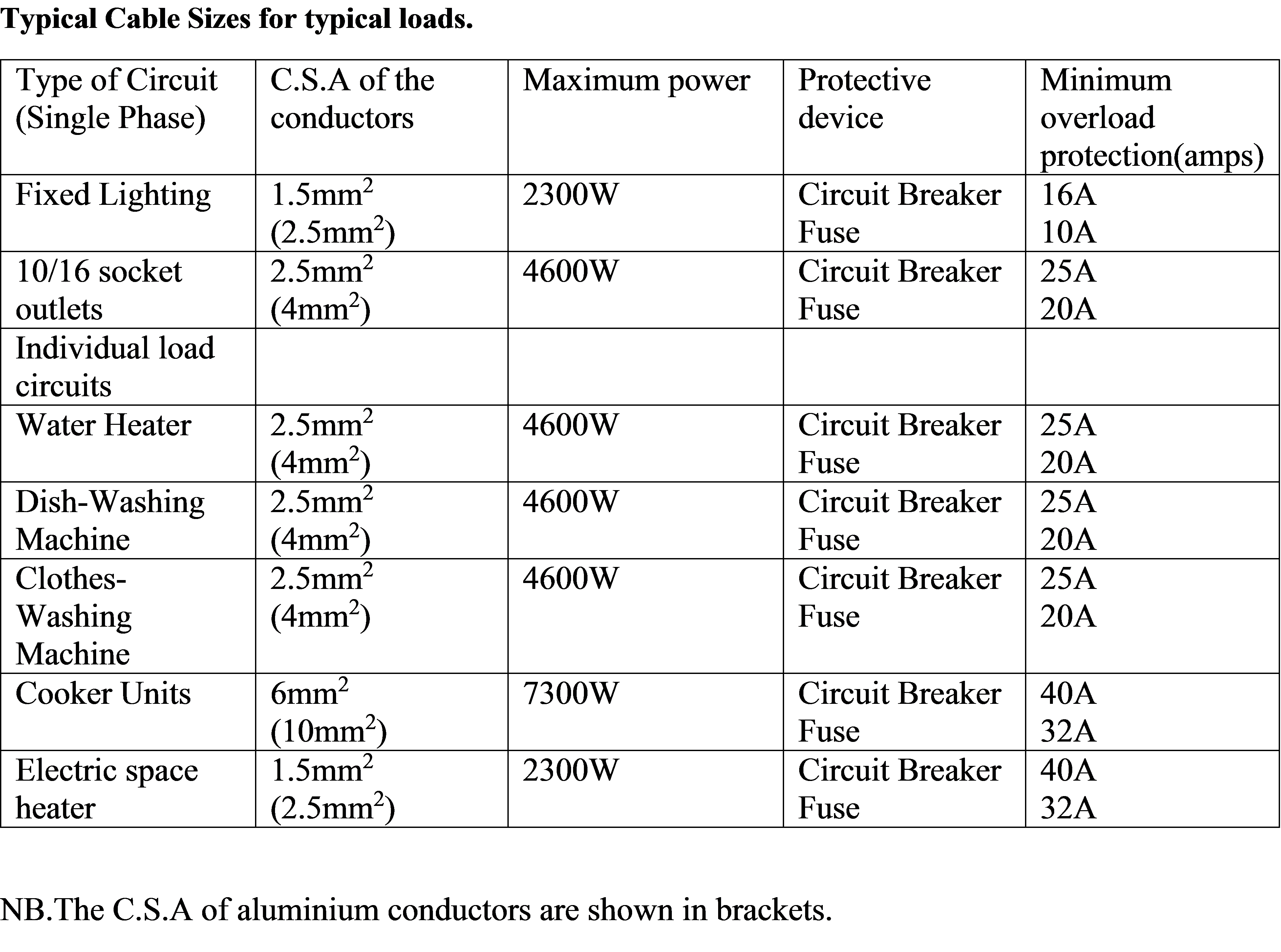
Cable ratings are standardized designations that define the maximum electrical, thermal, and environmental limits of a wire or cable to ensure safety and performance. These ratings specify parameters such as ampacity (current capacity), voltage limits, temperature thresholds, and fire resistance, allowing engineers and installers to match the correct cable to specific application requirements.
In any electrical or networking project, the "cable rating" is the most critical piece of data you will encounter. It is not merely a suggestion; it is a legally and physically binding boundary established by organizations like the National Fire Protection Association (NFPA) and Underwriters Laboratories (UL). As of 2026, adherence to the latest National Electrical Code (NEC) and international standards is mandatory for ensuring that infrastructure can handle modern power demands and high-speed data transmission without risk of fire or hardware failure.
The Fundamentals of Ampacity: Why Current Limits Matter
Ampacity is the maximum amount of electric current, measured in Amperes (Amps), that a conductor can carry continuously under the conditions of use without exceeding its temperature rating. This is the primary rating most users look for when selecting electrical wiring.
The ampacity of a cable is determined by three main factors: the cross-sectional area of the conductor (measured in AWG or mm²), the material of the conductor (usually copper or aluminum), and the heat-dissipation qualities of the insulation. Copper is the gold standard for conductivity, while aluminum is often used in larger service entrance cables due to its lighter weight and lower cost, though it requires larger gauges to match the ampacity of copper.
In 2026, with the increasing prevalence of high-draw appliances and Electric Vehicle (EV) charging stations, understanding derating factors has become essential. When multiple cables are bundled together in a single conduit, they cannot dissipate heat as effectively. Consequently, the NEC requires the ampacity to be "derated"—reduced from its maximum value—to prevent the buildup of dangerous levels of heat that could melt the insulation.
Voltage Ratings and Dielectric Integrity
A cable’s voltage rating defines the highest voltage that can be continuously applied to the conductor without breaking down the insulation. If you apply a voltage higher than the rating, the electrical field can cause a "dielectric breakdown," where the insulation effectively becomes a conductor, leading to arcing, short circuits, and potentially catastrophic fires.
Common voltage ratings include:
- 300 Volts: Typically used for light-duty applications, such as thermostat wiring, doorbells, and some household electronics.
- 600 Volts: The standard rating for most residential and commercial building wire, including THHN/THWN-2 and Romex (NM-B).
- 1000 Volts and Higher: Used in industrial settings, solar photovoltaic (PV) arrays, and specialized power distribution.
In 2026, as residential solar and battery storage systems become more sophisticated, many systems now operate at higher DC voltages. Verifying that your cable is rated for the specific DC or AC voltage of your inverter or battery stack is a non-negotiable safety step.
Temperature Ratings: Balancing Performance and Longevity
The temperature rating of a cable is often misunderstood. It does not refer to the temperature of the room, but rather the maximum temperature the conductor can reach without damaging the insulation. Most modern building wires are rated for 75°C (167°F) or 90°C (194°F).
The relationship between temperature and ampacity is intertwined. If a cable is rated for 90°C, it can technically carry more current than a 60°C-rated cable of the same size. However, the NEC often limits the allowable ampacity based on the temperature rating of the terminals (circuit breakers or outlets) the wire connects to. If your circuit breaker is only rated for 75°C, you must use the 75°C column in the ampacity tables, even if your wire is rated for 90°C. This ensures the heat from the wire doesn't damage the internal components of the breaker.
Decoding Jacket and Insulation Materials
The letters printed on the side of a cable (such as THHN, XHHW, or SJOW) are a shorthand code for the material and environmental ratings of the insulation. Understanding these codes is vital for ensuring the cable survives its environment.
- T (Thermoplastic): A common insulation material like PVC.
- H (Heat Resistant): Can withstand temperatures up to 75°C.
- HH (High Heat Resistant): Can withstand temperatures up to 90°C.
- W (Water Resistant): Approved for wet and outdoor locations.
- N (Nylon Coated): Provides extra protection against oil, chemicals, and abrasion.
For example, THHN is popular for dry, indoor conduit runs, while THWN-2 is the preferred choice for outdoor or underground conduits because it is rated for 90°C in both wet and dry conditions. Using a dry-rated cable in a wet location will eventually lead to insulation failure as moisture permeates the jacket.
Fire Safety Classifications: CMP, CMR, and CM
For communication cables (Ethernet, Coax, Fiber), the fire rating is often the most important specification for building code compliance. These ratings determine where a cable can be run within a structure to prevent the spread of fire and toxic smoke.
Plenum-Rated (CMP)
The Plenum is the space in a building used for air circulation (typically above a drop ceiling or under a raised floor). Because air is forced through these spaces, a fire there would spread quickly, and smoke would be distributed throughout the building. CMP (Communications Multipurpose Plenum) cables use specialized, low-smoke materials like FEP (Fluorinated Ethylene Propylene) that self-extinguish and emit minimal toxic fumes.
Riser-Rated (CMR)
Riser spaces are the vertical shafts that run between floors. CMR cables are designed to prevent fire from traveling vertically between floors. While they are more robust than standard cables, they do not meet the strict smoke requirements of Plenum cables and cannot be used in HVAC spaces.
General Purpose (CM/CMG)
These are standard cables used for patch cords or wiring within a single room where they are not inside a plenum or riser. They provide basic flame resistance but are unsuitable for permanent installation inside walls or ceilings in commercial buildings.
Data Transmission Ratings: Categories and Bandwidth
For networking, "rating" usually refers to the Category (Cat) of the cable, which defines its frequency and data throughput capabilities. As of 2026, the landscape of data ratings has shifted toward higher frequencies to support 10Gbps and 40Gbps speeds.
- Cat6: Rated for up to 1Gbps at 100 meters, or 10Gbps over shorter distances (up to 55 meters).
- Cat6A (Augmented): Specifically designed to support 10Gbps at the full 100-meter distance with reduced "crosstalk" (interference).
- Cat8: Designed for data centers, supporting 25Gbps to 40Gbps over very short distances (up to 30 meters).
When choosing a data cable, the rating must match the hardware. Using a Cat5e cable with a 10Gbps switch will create a bottleneck, effectively negating the investment in high-speed hardware.
Comparison of Common Cable Ratings
The following table summarizes common cable types and their primary ratings for quick reference.
| Cable Type | Common Use | Max Voltage | Temp Rating | Environmental Rating |
|---|---|---|---|---|
| THHN/THWN-2 | Commercial Conduit | 600V | 90°C | Dry/Wet (if -2) |
| NM-B (Romex) | Residential Indoor | 600V | 90°C | Dry Locations Only |
| UF-B | Direct Burial (Yard) | 600V | 90°C | Wet/Sunlight Resistant |
| Cat6A | High-Speed Networking | 30V-60V (PoE) | 60°C-75°C | Indoor (Plenum/Riser) |
| SJOW | Heavy Duty Extension | 300V | 90°C | Oil/Water Resistant |
| PV Wire | Solar Panels | 600V-2000V | 90°C/150°C | Extreme UV/Weather |
Environmental and Mechanical Durability Ratings
Beyond electricity and fire, cables are often rated for their physical surroundings. In 2026, these "extra" ratings are essential for specialized installations:
- Sunlight Resistant: Standard cable jackets will crack and crumble under UV exposure. Cables rated for "Sunlight Resistance" contain stabilizers (often carbon black) to protect the insulation.
- Direct Burial: Cables like UF-B or specialized fiber optics are rated to be buried directly in the earth without a conduit. They feature moisture-blocking tapes or gels and ruggedized jackets.
- Oil/Chemical Resistance: Essential in industrial or automotive environments where exposure to hydrocarbons would otherwise dissolve standard PVC jackets.
- Flex Life: For robotics or moving machinery, cables are rated by how many millions of flex cycles they can survive before the internal copper strands fatigue and break.
How to Verify Cable Ratings on the Product
To ensure you are using the correct cable, you must learn to read the "legend" or "printing" on the cable jacket. A standard marking will look like this:
E123456 (UL) TYPE THWN-2 12 AWG 600V SUN RES 2026
- E-Number: The UL file number which allows you to look up the specific manufacturer and certification details on the UL Solutions directory.
- Type: The insulation type (THWN-2).
- Gauge: The thickness of the wire (12 AWG).
- Voltage: The maximum safe operating voltage (600V).
- Safety Listing: The mark of a Nationally Recognized Testing Laboratory (NRTL) like UL, CSA, or ETL.
If a cable lacks these markings, it is likely unlisted and potentially dangerous. Using unlisted "counterfeit" cables is a major cause of electrical failure and can void insurance policies in the event of a fire.
Frequently Asked Questions
Can I use a Riser-rated (CMR) cable in a Plenum space?
No. While Riser cables are fire-resistant, they do not meet the low-smoke and toxicity requirements of a Plenum (CMP) rating. In a fire, CMR cable insulation can release thick, toxic smoke that travels through the HVAC system. You can, however, use a Plenum-rated cable in a Riser space.
What happens if I exceed the ampacity rating of a cable?
Exceeding the ampacity rating causes the conductor to generate more heat than it can dissipate. This heat softens and eventually melts the insulation. Once the insulation fails, the bare wires can touch, causing a short circuit, or the heat itself can ignite nearby combustible materials like wooden studs or insulation.
Is AWG the only way to measure wire size?
In the United States, AWG (American Wire Gauge) is the standard for smaller wires. For very large cables (thicker than 4/0 AWG), the size is measured in kcmil (thousand circular mils). In most other parts of the world, wire size is measured in square millimeters (mm²).
How do I know if a cable is rated for outdoor use?
Look for the letter "W" in the type code (e.g., THWN, XHHW) or a explicit "Outdoor Rated" or "Sunlight Resistant" marking. Indoor-rated cables like NM-B (Romex) will quickly fail if exposed to moisture, as the paper wrapping inside the jacket wicks water into the electrical boxes.
Does Power over Ethernet (PoE) affect cable ratings?
Yes. High-wattage PoE (like 802.3bt Type 4) can cause heat buildup in data cables, especially when they are bundled. When using high-power PoE in 2026, it is recommended to use Cat6A cables with higher temperature ratings and to limit bundle sizes to ensure heat dissipation.
Practical Recommendation for Selection
Before purchasing or installing any cable, always perform a three-point check:
- Calculate the Load: Determine the continuous Amperage and Voltage of your device.
- Assess the Environment: Identify if the cable will be in a Plenum space, outdoors, or exposed to chemicals.
- Verify Local Codes: Consult the latest edition of the NEC or your local building authority to ensure the specific cable rating meets jurisdictional requirements.
For most residential indoor projects, THHN/THWN-2 in a conduit or NM-B for wall-run circuits is the standard. For networking, Cat6A CMP provides the best balance of future-proofing and safety compliance for any modern home or office.