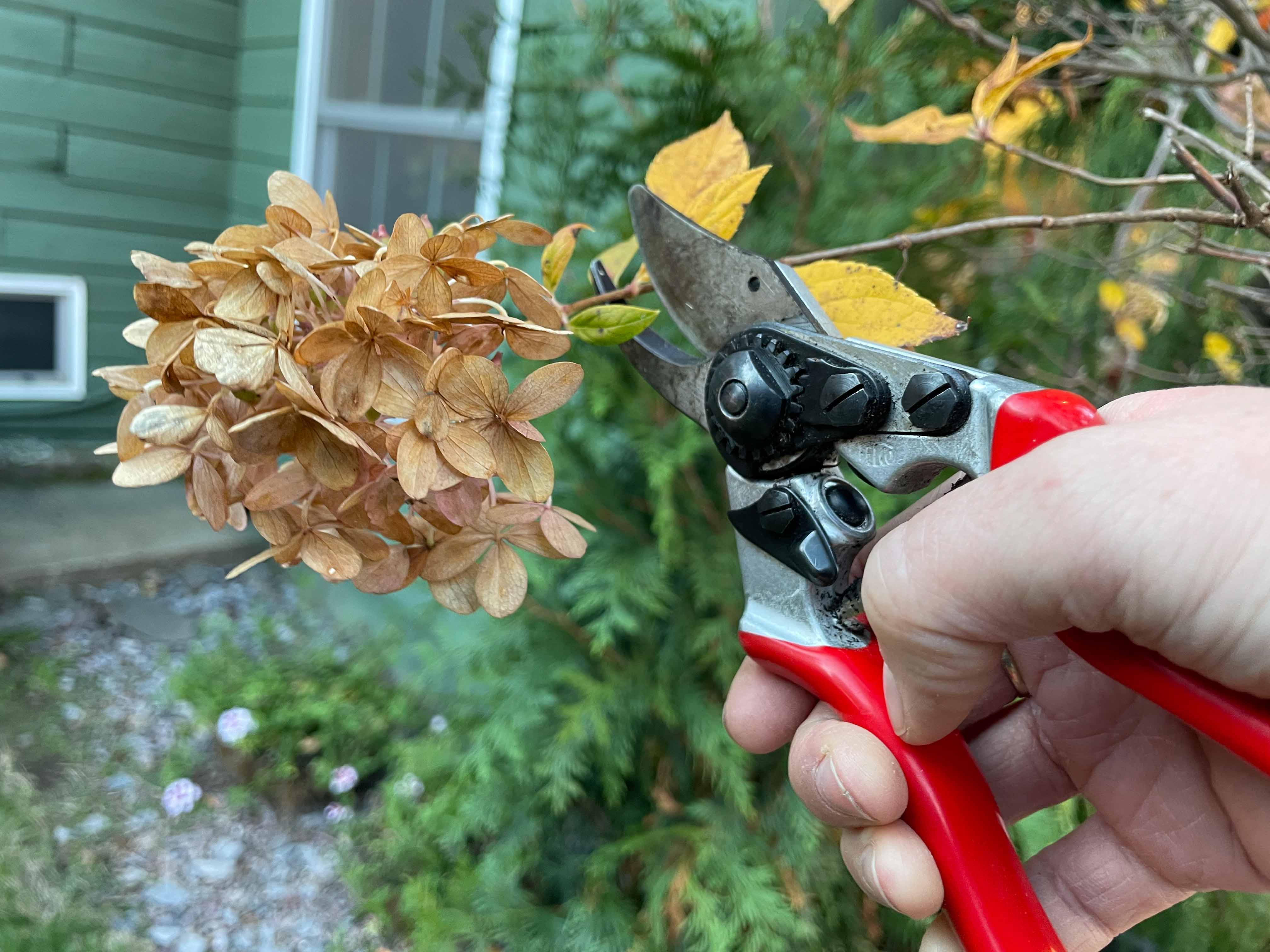
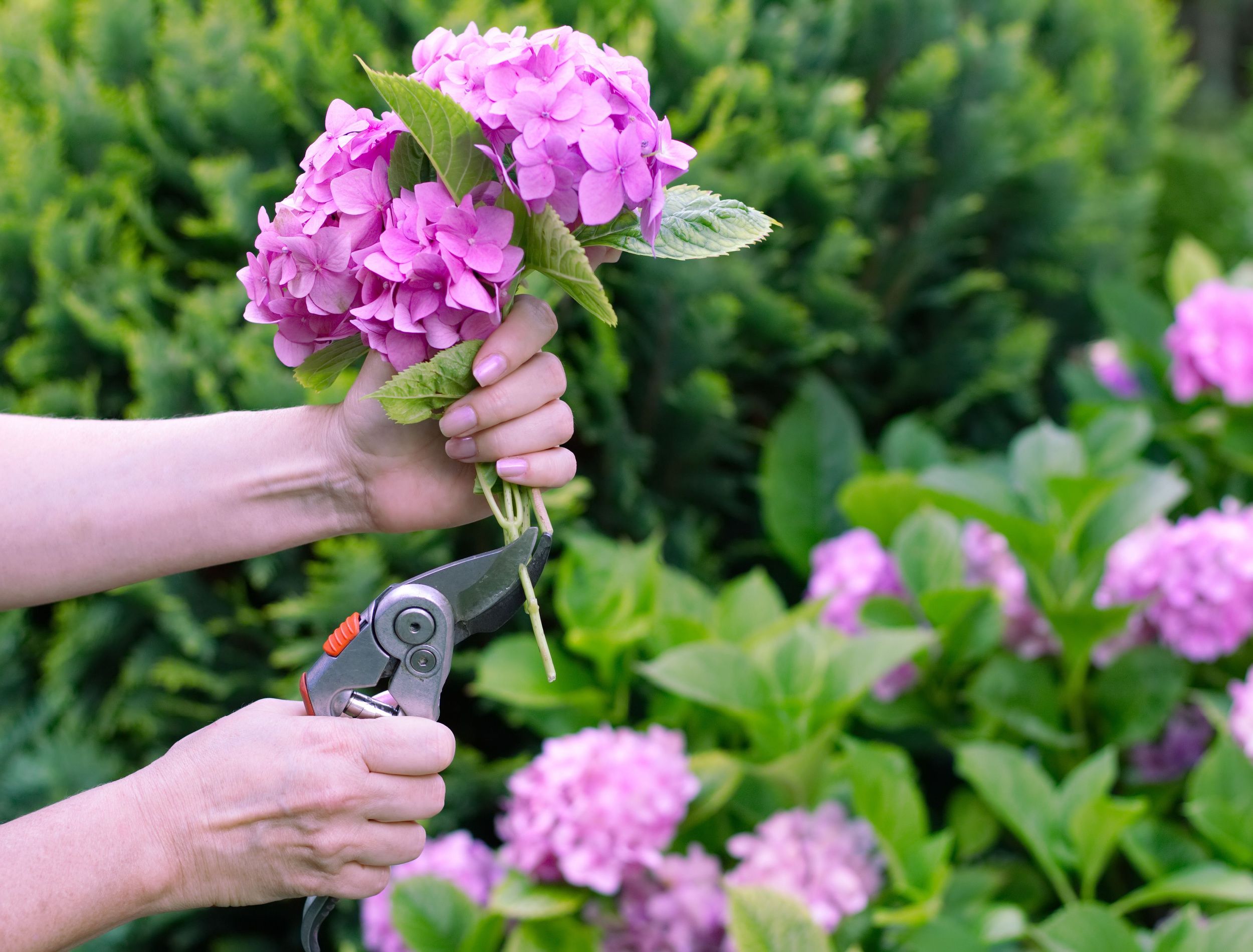
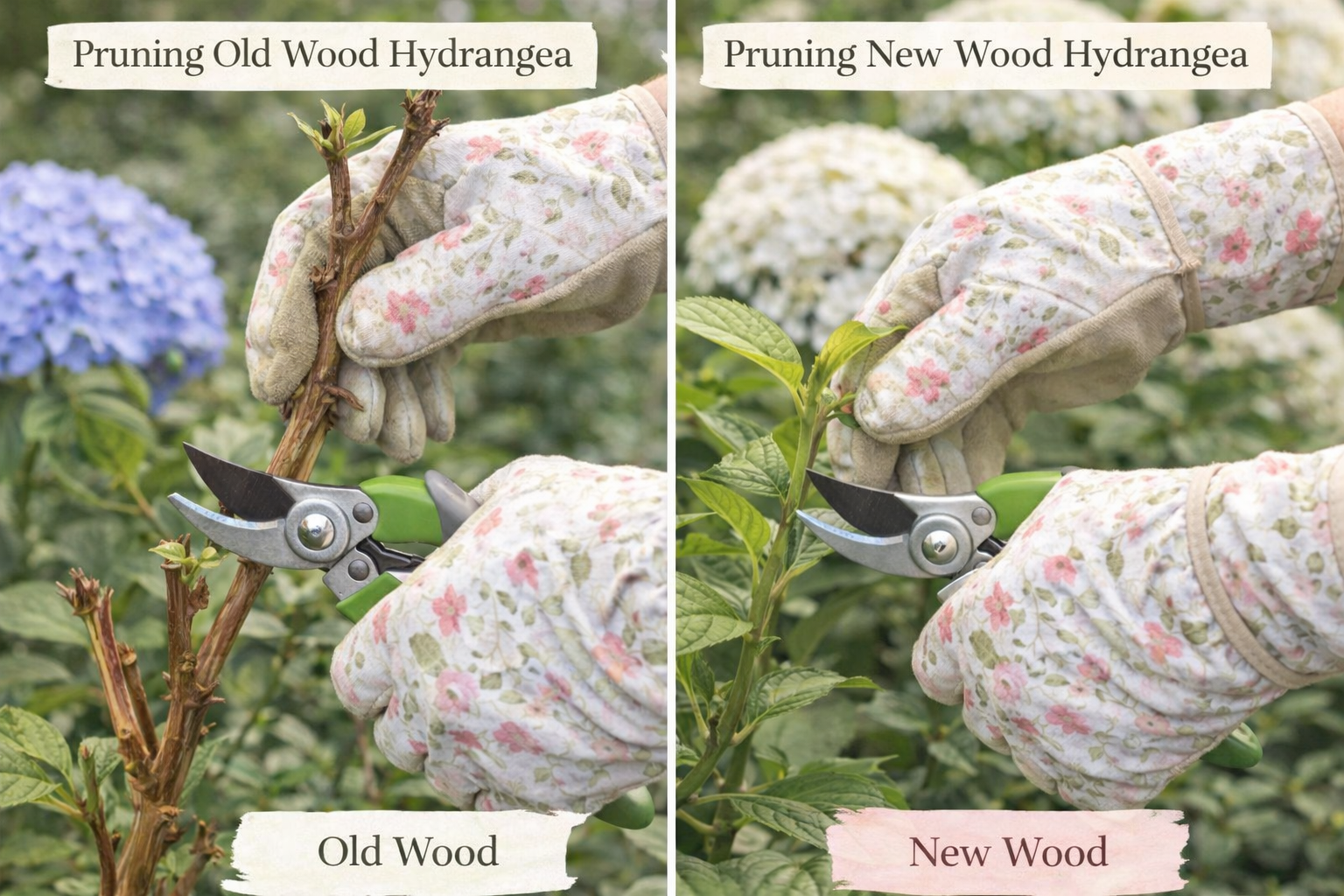
Pruning hydrangea plants requires understanding your specific hydrangea variety, as blooming habits dictate the correct timing. Most hydrangeas fall into two categories: those that bloom on old wood and require pruning immediately after flowering, and those that bloom on new wood, which are best pruned in late winter or early spring before new growth emerges.
Pruning hydrangeas is one of the most misunderstood tasks in home horticulture. Because different species set their flower buds at entirely different times of the year, a technique that produces a flush of blooms on one shrub can completely eliminate flowers on another for an entire season. Mastering this craft requires moving past a one-size-fits-all approach and learning to identify your specific plants. Whether you are managing massive panicle hydrangeas or delicate mopheads, applying the correct timing and technique ensures vigorous growth, robust branching, and an abundance of seasonal flowers.
Understanding Hydrangea Varieties and Bloom Cycles
The single most critical factor in successful hydrangea pruning is knowing whether your plant blooms on "old wood" or "new wood." Old wood refers to stems that grew during the previous summer, meaning the plant sets its flower buds during the late summer or fall of the year prior to flowering. New wood refers to stems that grow during the current spring, with the plant setting its buds on that season's fresh growth just weeks before opening.
Failing to distinguish between these growth habits leads to accidental bud removal. When you prune an old-wood hydrangea in the early spring, you are quite literally cutting away the floral displays that the plant spent the previous year manufacturing. Conversely, new-wood hydrangeas actually benefit from heavy structural pruning while dormant, as this stimulates the vigorous shoot production necessary for large, heavy flower heads.
Before picking up your bypass pruners, take time to observe your garden and correctly classify your shrubs. The primary species grown in residential landscapes have distinct botanical requirements that dictate their maintenance schedules.
Old Wood Bloomers: Bigleaf and Oakleaf Hydrangeas
Bigleaf hydrangeas (Hydrangea macrophylla), which include popular mophead and lacecap cultivars, and oakleaf hydrangeas (Hydrangea quercifolia) bloom almost exclusively on old wood. Their flower buds form inside the stems by late summer.
For these varieties, pruning should happen strictly within a narrow window immediately after their current blooms fade, typically in mid-to-late summer. Pruning them any later—such as in autumn, winter, or spring—removes the mature buds and results in a season with zero flowers. The only exception to this rule is removing dead, damaged, or diseased wood, which can be done at any time of year without harming the plant's structural health.
New Wood Bloomers: Panicle and Smooth Hydrangeas
Panicle hydrangeas (Hydrangea paniculata) and smooth hydrangeas (Hydrangea arborescens), such as the ubiquitous 'Annabelle' cultivar, bloom on new wood. Because these plants generate their flower buds on the current season's growth, they offer much more flexibility for gardeners.
The ideal time to prune panicle and smooth hydrangeas is during their dormant period, spanning from late winter to early spring before the first green shoots appear. Pruning during this timeframe allows you to clearly see the branching structure of the plant, shape the shrub aggressively, and encourage maximum stem vigor for the upcoming growing season.
The Special Case of Reblooming Hydrangeas
In recent decades, plant breeders have introduced remontant or "reblooming" hydrangea cultivars (often marketed under brand names like Endless Summer). These remarkable plants are primarily bigleaf hydrangeas that possess the genetic ability to bloom on both old wood and new wood.
Old stems produce the first flush of flowers in early summer, while newly emerging stems from the base of the plant set buds later in the summer for a secondary display. If you prune reblooming hydrangeas, you should do so sparingly right after the first flush of blooms fades, or limit pruning strictly to removing dead wood in early spring. Heavy pruning in spring will eliminate the first flower cycle, though the plant will eventually recover and produce late-summer blooms on new growth.
| Hydrangea Species | Bloom Wood Type | Ideal Pruning Window | Pruning Intensity |
|---|---|---|---|
| Bigleaf (Hydrangea macrophylla) | Old Wood | Mid-to-late summer (immediately after bloom) | Light (removal of spent blooms and dead wood only) |
| Oakleaf (Hydrangea quercifolia) | Old Wood | Mid-to-late summer (immediately after bloom) | Light (shaping and dead wood removal) |
| Smooth (Hydrangea arborescens) | New Wood | Late winter to early spring (dormant period) | Moderate to heavy (can be cut back significantly) |
| Panicle (Hydrangea paniculata) | New Wood | Late winter to early spring (dormant period) | Moderate to heavy (shaping and framework building) |
| Reblooming Cultivars | Old and New Wood | Immediately after first bloom or early spring deadwood cleanup | Light to moderate |
Essential Tools and Preparation
High-quality results require clean, sharp tools. Using dull blades crushes plant stems, creating jagged wounds that serve as entry points for fungal pathogens and insect pests. Preparing your equipment before stepping into the garden ensures clean cuts that heal rapidly.
Selecting the Right Cutting Implements
Different branch diameters require different tools to prevent plant damage and physical strain:
- Bypass Pruners: The workhorse of hydrangea pruning. Bypass pruners use a sharp curved blade that passes close to a flat supporting blade, making clean cuts on stems up to three-quarters of an inch in diameter. Avoid anvil pruners, which crush stems.
- Loppers: Featuring long handles for increased leverage, loppers are designed for thicker stems ranging from three-quarters of an inch to two inches in diameter.
- Pruning Saws: Necessary only for mature panicle hydrangeas that have developed thick, tree-like trunks requiring structural renewal over multiple seasons.
Sterilization and Safety
Pathogens such as bacterial wilt and fungal leaf spot can easily travel from an infected plant to a healthy one via contaminated blade surfaces. Dip your pruners and loppers in a 70% isopropyl alcohol solution or a household disinfectant spray between cuts, especially when removing diseased wood.
Wear thick gardening gloves, as old hydrangea stems can be fibrous and splintery, and protective eyewear if you are reaching into dense, overgrown canopies.
Step-by-Step Pruning Protocols by Species
Applying the correct pruning technique requires tailoring your actions to the specific physiological traits of your hydrangea variety. Below are the step-by-step procedures for the major garden types.
Pruning Old-Wood Hydrangeas (Bigleaf and Oakleaf)
Because bigleaf and oakleaf hydrangeas set their buds a year in advance, your primary objective is maintenance rather than severe size reduction.
- Inspect in Early Spring: Look closely at the bare stems. Identify live buds versus dead wood. Live buds appear plump and slightly green or brown under the outer bark, while dead stems are brittle, entirely brown inside when lightly scratched, and lack viable swelling buds.
- Remove Dead and Damaged Wood: Cut back any entirely dead stems all the way down to the base of the plant or to a strong, living side shoot. Never cut live stems in spring, as you are removing the upcoming flowers.
- Cut Spent Blooms in Summer: Immediately after the flowers fade in mid-to-late summer, locate the stem below the spent flower head. Follow the stem down to the first pair of healthy, plump buds and make a clean cut just above them.
- Perform Renewal Pruning: If an old-wood hydrangea has become overgrown or crowded, remove up to one-third of the oldest, thickest stems entirely at ground level. This encourages the plant to direct its energy into vigorous, younger shoots while preserving the remaining flowering stems.
Pruning New-Wood Hydrangeas (Panicle and Smooth)
Smooth and panicle hydrangeas tolerate—and often thrive under—much more aggressive pruning regimens. Because their flowers appear on growth produced during the current season, heavy pruning stimulates stronger stems capable of supporting massive flower heads without drooping.
- Wait for Winter Dormancy: Perform this work between January and March, while the plant is completely dormant and leaf-free.
- Establish the Structural Framework (Smooth Hydrangeas): For smooth hydrangeas like 'Annabelle', you can cut the entire shrub down to a height of 12 to 18 inches above the ground every year. This promotes extremely vigorous new shoots that bear enormous flower clusters. Alternatively, leave a framework of woody stems 18 to 24 inches tall to provide a stronger base that prevents flopping.
- Shape and Reduce (Panicle Hydrangeas): For panicle hydrangeas, which can grow into large shrubs or small trees, prune back the previous year's growth by one-third to one-half. Cut back to outward-facing buds to maintain an open, well-ventilated center. Remove any crossing, rubbing, or weak twiggy branches entirely.
Common Mistakes to Avoid
Even experienced gardeners sometimes fall into traps when managing their hydrangeas. Avoiding these frequent missteps protects your investment and ensures vibrant annual blooms.
Pruning at the Wrong Time of Year
The most common error is applying a blanket schedule to all hydrangeas. Pruning a bigleaf hydrangea in late winter or early spring guarantees a season without flowers. Always verify your plant's species and blooming habit before making any structural cuts.
Topping and Shearing
Never use hedge shears to give hydrangeas a uniform, rounded haircut. Shearing stimulates a dense, weak flush of twiggy growth at the very tips of the pruned stems. This dense exterior canopy blocks sunlight from reaching the interior of the shrub, causing inner branches to die off and leaving the plant vulnerable to fungal diseases. Always make individual, selective cuts back to a bud or branching junction.
Over-Fertilizing Prior to Pruning
While feeding hydrangeas supports growth, applying excessive high-nitrogen fertilizer stimulates a massive rush of weak, succulent green stems. These soft stems are highly susceptible to wind damage, stem breakage under the weight of heavy flower heads, and frost injury during sudden temperature drops.
Troubleshooting and Special Situations
Sometimes, established hydrangeas present unique challenges that standard maintenance protocols do not address.
What to Do If Your Hydrangea Doesn't Bloom
If your hydrangea fails to produce flowers, look to environmental factors first rather than immediately blaming your pruning habits.
- Late Spring Frosts: A sudden hard freeze in spring can kill tender new growth and developing flower buds on old-wood varieties.
- Excessive Shade: Hydrangeas planted in deep shade produce lush foliage but lack the solar energy required to set flower buds.
- Improper Pruning: If you pruned an old-wood hydrangea in spring, you accidentally removed the buds. Simply adjust your timeline for the following year.
Rejuvenating Overgrown, Neglected Shrubs
If you inherit an overgrown, woody hydrangea that has not been pruned in years, you can perform a radical rejuvenation. For new-wood species (panicle and smooth), cut the entire shrub down to roughly 6 to 12 inches above the ground in late winter. The plant will respond with vigorous, tall shoots that bloom profusely by late summer.
For old-wood species, avoid cutting the entire shrub to the ground unless it has suffered severe winter dieback. Instead, use a three-year renewal plan: remove one-third of the oldest, thickest canes completely to the ground each year, allowing the plant to transition gradually without losing all of its old-wood flowering capacity at once.
Next Actions and Maintenance
With your pruning completed, support your hydrangeas' recovery by applying a 2-to-3-inch layer of organic mulch, such as shredded hardwood or pine straw, around the base of the shrub to retain soil moisture and regulate root temperatures. Water the plants deeply during dry spells, and allow natural growth to resume as seasonal temperatures rise.