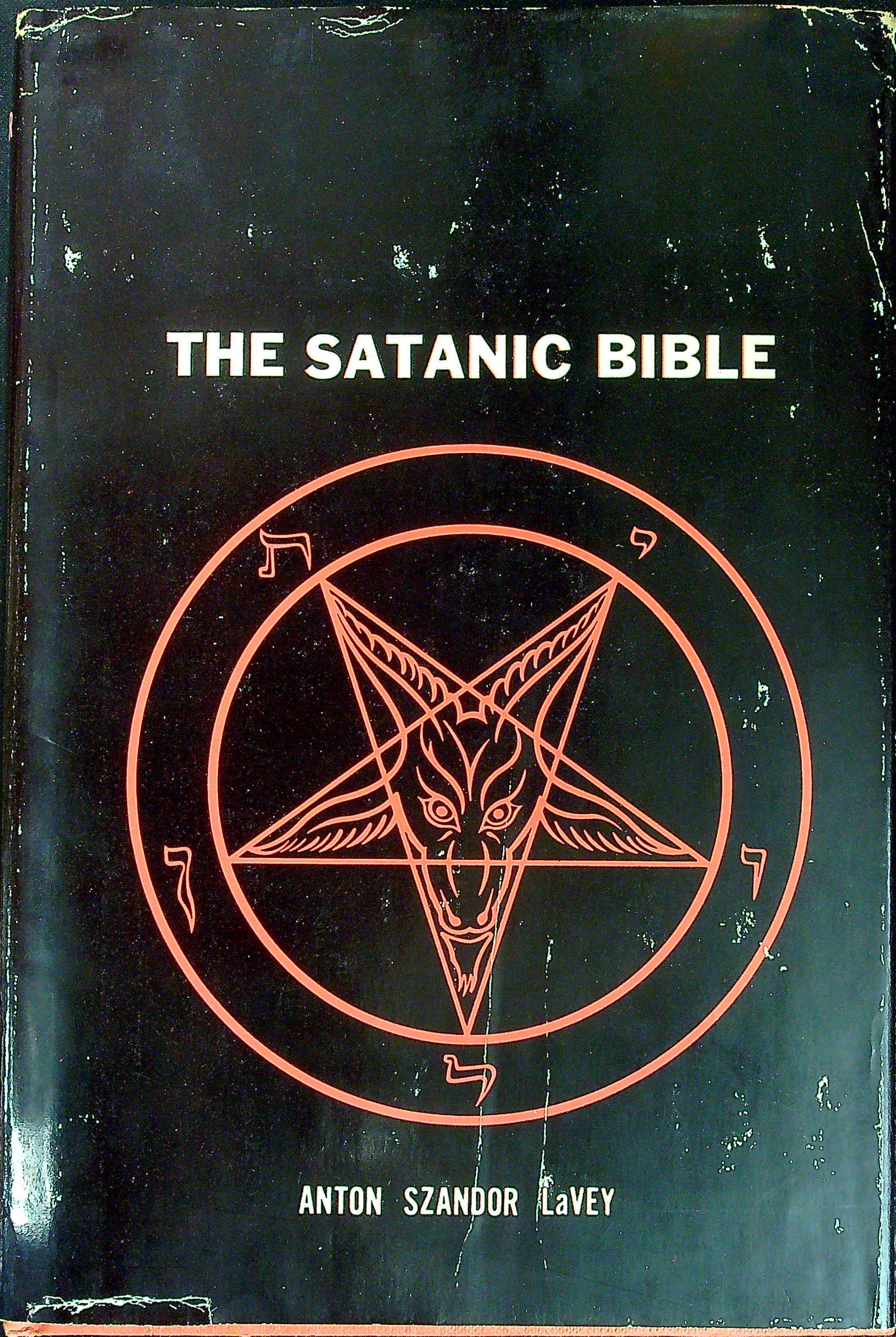
Anton LaVey was an American author, musician, and occultist who founded the Church of Satan in 1966. As the author of The Satanic Bible, he codified a philosophy of atheistic Satanism, viewing "Satan" not as a literal deity but as a symbol of individualism, indulgence, and carnal nature.
In the decades since his passing in 1997, Anton LaVey (born Howard Stanton Levey) has remained one of the most polarizing figures in modern religious history. As of 2026, his influence continues to resonate through various subcultures, from heavy metal music to modern libertarian philosophy. Understanding LaVey requires navigating the thin line between his carefully crafted public persona and the reality of his historical impact on the occult landscape of the 20th and 21st centuries.
Early Life and the Re-invention of Howard Levey
Before he was the "Black Pope," he was Howard Stanton Levey, born on April 11, 1930, in Chicago, Illinois. His family eventually moved to California, where the young LaVey allegedly began a colorful career that would later serve as the foundation for his mystical authority. According to his authorized biographies, LaVey was a high school dropout who joined the Clyde Beatty Circus, worked as a lion tamer, and played the calliope.
However, historical researchers and former associates have often disputed these claims. While LaVey asserted he had a brief affair with a then-unknown Marilyn Monroe and worked as a police photographer, investigative journalists have found little evidence to support these specific anecdotes. Despite the potential for embellishment, these stories were crucial to the "LaVeyan Mythos." He presented himself as a man of the world who had seen the dark underbelly of human nature—from the seedy world of the carnival to the cold reality of crime scenes. This "street-level" wisdom became a cornerstone of his rejection of traditional, "white-light" religions.
By the early 1960s, LaVey began hosting "Magic Circle" meetings in his San Francisco home, known as the Black House. These gatherings attracted intellectuals, artists, and socialites interested in the unconventional. It was from this group that the Church of Satan was officially birthed on April 30, 1966—a date LaVey declared "Year One" (Anno Satanas) of the Satanic Era.
The Founding of the Church of Satan (1966)
The establishment of the Church of Satan was a calculated media event that leveraged the burgeoning counter-culture of the 1960s. Shaving his head and donning a ritual hood and cape, LaVey presented a striking visual image that the press found irresistible. This was not the "Satanism" of medieval folklore; it was a modern, sophisticated rebellion against what LaVey viewed as the hypocrisy of Christian morality.
The Black House and Ritual Performance
The Church’s headquarters, the "Black House" on California Street, became the site of highly publicized rituals, including the "Satanic Baptism" of his daughter, Zeena, and various "Satanic Weddings." These events were less about worshipping a literal devil and more about "Psychodrama." LaVey believed that humans needed ritual and "Greater Magic" to release emotional energy, even if they did not believe in a supernatural god.
Media Saturation and the "Black Pope"
LaVey’s ability to command media attention was unparalleled. He appeared in documentaries like Satanis: The Devil's Mass (1970) and served as a technical advisor for several films. His presence in popular culture during the late 60s and early 70s contributed significantly to the "Satanic Panic" that would grip the United States in the following decade, though LaVey himself often mocked the sensationalist fears of the public.
The Core Philosophy: LaVeyan Satanism
At the heart of Anton LaVey’s legacy is The Satanic Bible, published in 1969. This text outlined a philosophy that was essentially a mix of Machiavellianism, Ayn Rand’s Objectivism, Epicureanism, and Nietzschean thought, all wrapped in a dark, occult aesthetic.
Satan as a Symbol
To LaVey, Satan was a metaphor. He represented the "adversary"—the one who questions authority and embraces the physical world over the spiritual. The Church of Satan does not believe in a literal Satan, nor do they believe in a literal God. Instead, each individual is their own "god." This radical egoism prioritizes personal happiness, survival of the fittest, and the pursuit of carnal desires within the bounds of the law.
The Nine Satanic Statements
These statements serve as the foundational creed of the Church of Satan:
- Indulgence instead of abstinence.
- Vital existence instead of spiritual pipe dreams.
- Undefiled wisdom instead of hypocritical self-deceit.
- Kindness to those who deserve it instead of love wasted on ingrates.
- Vengeance instead of turning the other cheek.
- Responsibility to the responsible instead of concern for psychic vampires.
- Man as just another animal, sometimes better, more often worse than those that walk on all-fours.
- All of the so-called sins, as they lead to physical, mental, or emotional gratification.
- Satan as the best friend the Church has ever had, as he has kept it in business all these years.
Lex Talionis: The Law of Retaliation
A key element of LaVeyan thought is "Lex Talionis"—the law of the jungle or an eye for an eye. LaVey rejected the Christian concept of "turning the other cheek," arguing instead that if someone harms you, you should destroy them. This stance was designed to appeal to those who felt marginalized or victimized by traditional social structures.
Published Works and Cultural Impact
While The Satanic Bible remains his most famous work, LaVey authored several other books that expanded on his worldview and provided practical applications for his "Satanic" principles.
- The Satanic Rituals (1972): A companion volume providing scripts and instructions for various ceremonies.
- The Satanic Witch (1971): Originally titled The Compleat Witch, this book focused on "Lesser Magic"—the art of using appearance and psychology to manipulate others and achieve one's goals.
- The Devil's Notebook (1992) and Satan Speaks! (1998): Collections of essays that showcase LaVey’s wit, cynicism, and critiques of modern society.
Beyond writing, LaVey was a talented musician. He frequently played the organ and synthesizer, releasing albums like The Satanic Mass and Satan Takes a Holiday. His musical sensibilities favored the "corny" or nostalgic music of his youth, which he used to create a specific atmosphere of "outsiderhood."
Comparing Modern Satanic Traditions
To understand Anton LaVey's specific brand of Satanism, it is helpful to compare it to other organizations that have emerged in his wake.
| Feature | Church of Satan (LaVeyan) | The Satanic Temple (TST) | Temple of Set |
|---|---|---|---|
| Founder | Anton LaVey | Lucien Greaves / Malcolm Jarry | Michael Aquino |
| Established | 1966 | 2013 | 1975 |
| Deity Belief | Atheistic (Satan as a symbol) | Atheistic (Satan as a symbol) | Theistic (Set as a literal entity) |
| Primary Focus | Individualism, Indulgence, Ego | Political Activism, Social Justice | Self-Deification (Xeper) |
| View of Satan | The Carnal Self / Adversary | The Eternal Rebel against Tyranny | A precursor to the Egyptian Set |
| Ritual Use | Psychodrama / Emotional release | Minimal / Symbolic | "Greater Black Magic" |
Controversies and Criticisms
LaVey was never far from controversy, even within the occult community. In 1975, a major schism occurred when Michael Aquino, a high-ranking member of the Church of Satan, left to form the Temple of Set. Aquino claimed that LaVey had lost his way and that Satan (or "Set") was a literal being that required true devotion rather than just psychological play.
Furthermore, his personal life was often tumultuous. After his death in 1997, a legal battle ensued between his long-time partner, Blanche Barton, and his estranged children, Karla and Zeena LaVey. Zeena, in particular, became a vocal critic of her father, claiming his teachings were abusive and his "carnival history" was entirely fabricated.
Despite these internal conflicts, the Church of Satan survived. Under the leadership of Magus Peter H. Gilmore since 2001, the organization has maintained its presence as a strictly non-political, individualistic group that adheres closely to LaVey’s original writings.
The Legacy of Anton LaVey in 2026
As of 2026, the cultural footprint of Anton LaVey is characterized by a "mainstreaming" of his individualistic ethos. While the "Satanic" label remains taboo for many, the underlying philosophy of "living for oneself" and "rational self-interest" is more prevalent than ever in the digital age.
LaVey’s influence is most visible in:
- Music and Art: Countless heavy metal, goth, and industrial bands continue to use LaVeyan imagery and concepts of rebellion.
- Modern Aesthetics: The "dark academic" and "modern occult" trends in fashion and home decor often trace their roots back to the aesthetics LaVey cultivated in the Black House.
- The "Me Culture": The emphasis on self-care, personal branding, and the rejection of collective dogma mirrors LaVey's early calls for "responsibility to the responsible."
His life serves as a case study in the power of branding and the enduring human fascination with the "forbidden." Whether viewed as a visionary philosopher or a masterful conman, LaVey successfully created a religious movement that persists without the promise of an afterlife or the presence of a god.
Frequently Asked Questions
Did Anton LaVey worship the Devil?
No. Anton LaVey was an atheist. He did not believe in a literal Satan or a literal God. He used "Satan" as a symbol for the carnal, selfish, and rebellious nature of humanity. To a LaVeyan Satanist, "worshipping" a deity is considered a form of self-abasement that they strictly reject.
Is the Church of Satan involved in illegal activities?
The Church of Satan has a strict "law and order" policy. According to their tenets, a Satanist should respect the laws of the land in which they live. LaVey believed that illegal acts often led to a loss of personal freedom, which is counter-productive to Satanic goals. The "Satanic Panic" of the 1980s, which alleged widespread ritual abuse, was debunked by the FBI and other law enforcement agencies.
What is the difference between Anton LaVey and The Satanic Temple?
While both groups are atheistic and use Satanic imagery, their goals are very different. The Church of Satan (LaVeyan) is focused on the individual, personal achievement, and remains apolitical. The Satanic Temple (founded much later) is an activist organization that uses Satanic imagery to advocate for the separation of church and state, reproductive rights, and other social justice issues.
How can someone join the Church of Satan today?
As of 2026, the Church of Satan remains a "closed" organization in terms of community, but anyone can become a member by paying a one-time fee and receiving a membership card. However, the Church emphasizes that "Satanists are born, not made," meaning that if you agree with the philosophy, you are already a Satanist, regardless of whether you have a card.
What happened to the "Black House"?
The famous Black House at 6114 California Street in San Francisco, where LaVey lived and held rituals, was demolished in 2001. After LaVey's death in 1997, the property was caught in a legal battle and was eventually sold to a developer. Today, the site is occupied by a modern apartment building, though it remains a point of interest for occult historians.
Practical Recommendation
If you are interested in the life of Anton LaVey for academic or personal reasons, the most direct way to understand his influence is to read The Satanic Bible critically. It is important to distinguish between the theatrical elements (the capes and rituals) and the underlying social philosophy (the emphasis on individualism). For a more balanced view, read memoirs from those who knew him, such as Blanche Barton’s The Secret Life of a Satanist, while also consulting independent biographies that scrutinize his historical claims. Always remember that LaVey’s greatest "magic" was arguably his ability to craft a persistent and influential identity in the face of societal conformity.