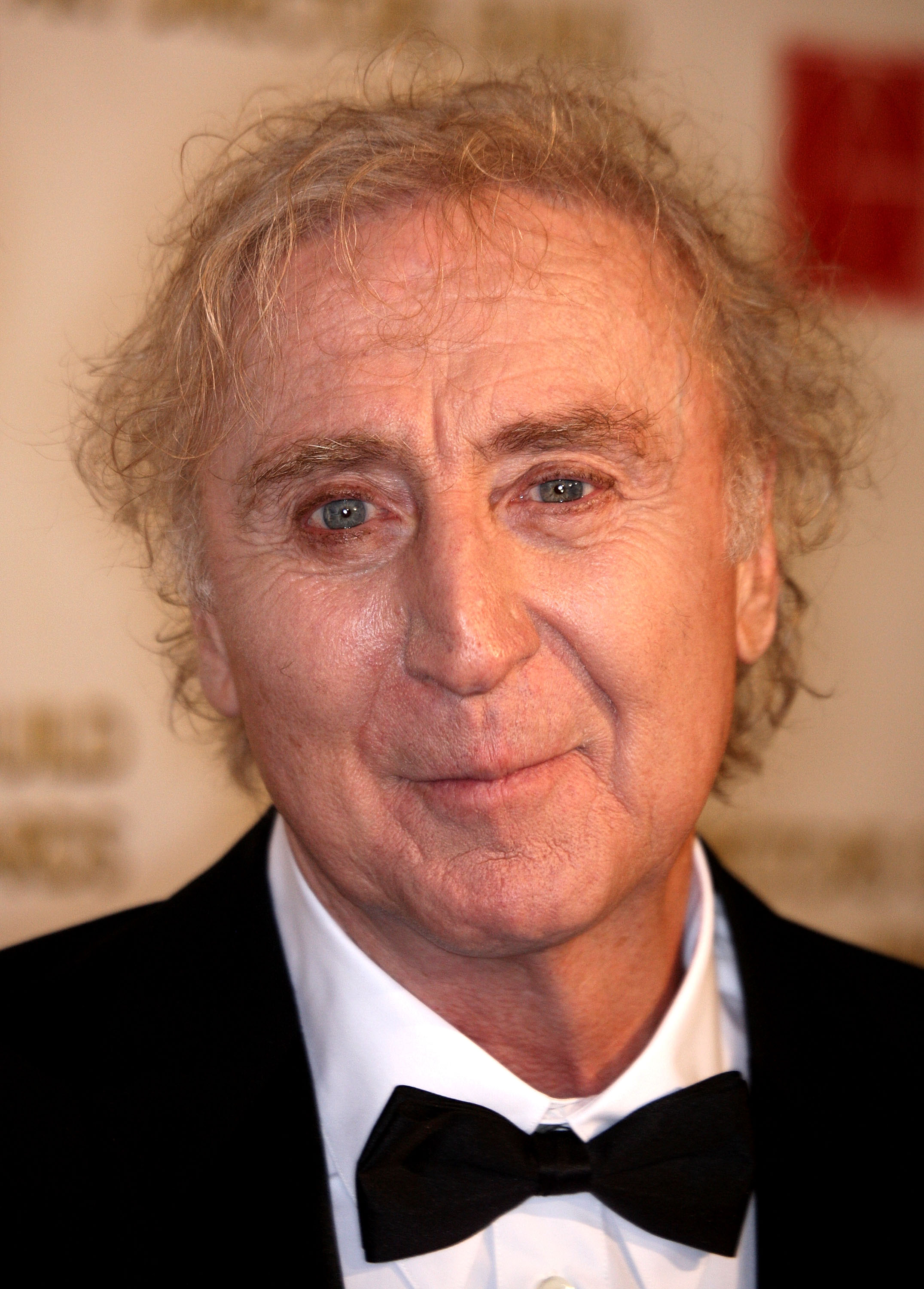
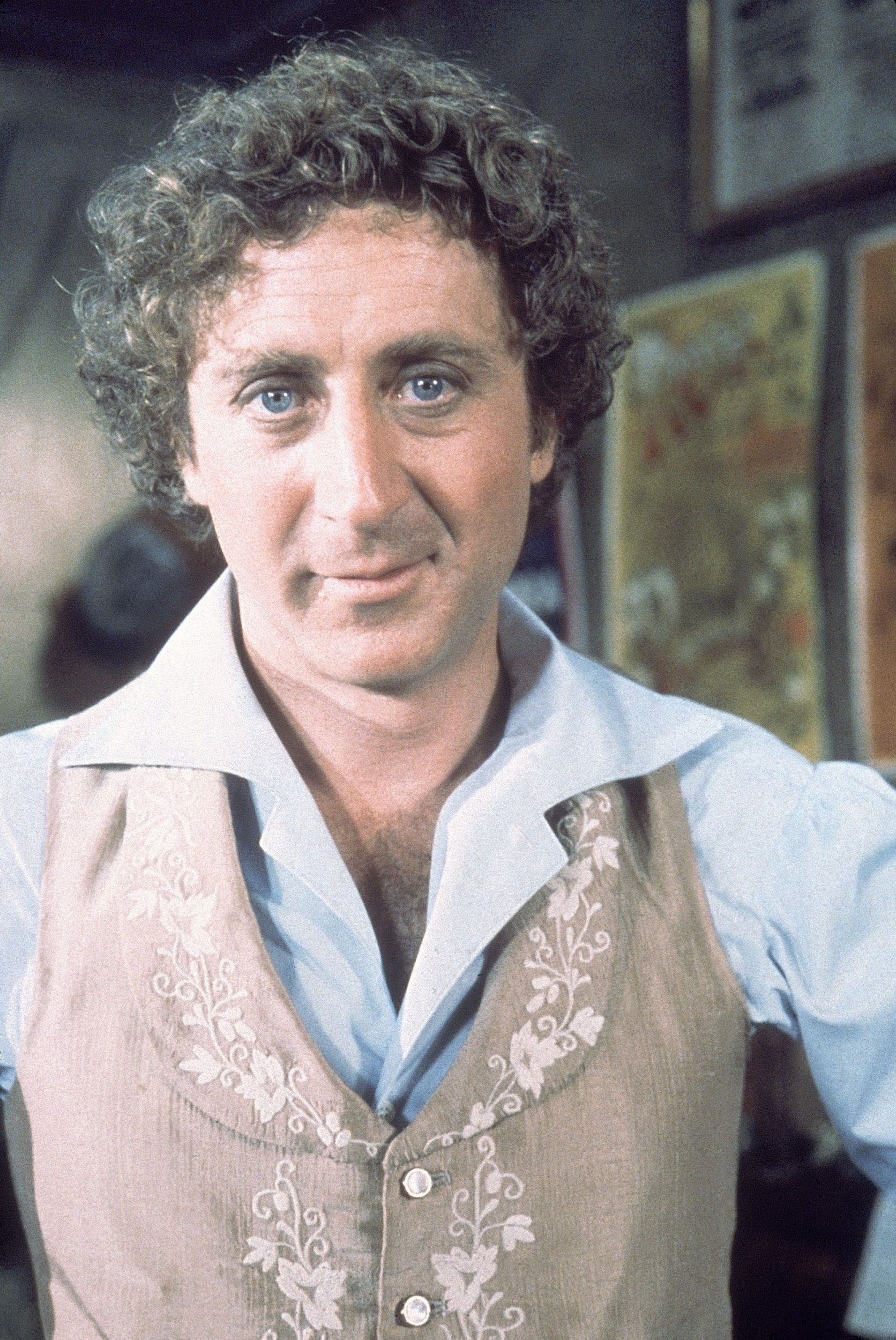
Gene Wilder was an American actor, screenwriter, and director whose career defined a specific era of "vulnerable mania" in 20th-century cinema. Best known for his iconic portrayals of Willy Wonka, Leo Bloom, and Dr. Frederick Frankenstein, Wilder’s legacy in 2026 remains a cornerstone of comedic theory, blending intellectual wit with profound emotional sincerity.
The Early Life and Education of Jerome Silberman
Before he was the frizzy-haired icon of comedy, Gene Wilder was born Jerome Silberman on June 11, 1933, in Milwaukee, Wisconsin. The son of Jewish immigrants, Wilder’s path to the stage began at the age of eight, sparked by a domestic tragedy. When his mother suffered a heart attack, the doctor instructed young Jerome to "try to make her laugh." This directive became the foundation of his performative philosophy: using humor as a tool for comfort and survival.
Wilder’s formal education in the craft was rigorous and classical. After a brief, difficult stint at a military institute in California, he returned to the Midwest and eventually graduated from the University of Iowa in 1955 with a degree in Communication and Theatre Arts. Seeking to deepen his technical skills, he traveled to the United Kingdom to study at the Bristol Old Vic Theatre School, where he mastered fencing and classical stage movement—skills that would later inform his physical comedy.
Upon returning to the United States, he adopted the stage name Gene Wilder. He chose "Gene" in honor of Eugene Gant, a character in Thomas Wolfe’s Look Homeward, Angel, and "Wilder" as a tribute to playwright Thornton Wilder. He joined the prestigious Actor’s Studio in New York, studying under Lee Strasberg. This training in Method Acting is what differentiated Wilder from his contemporaries; he did not just "tell jokes," he inhabited characters with a high-stakes emotional reality that made their eccentricities feel earned.
The Mel Brooks Partnership: Redefining Screen Comedy
The most significant turning point in Wilder’s career was his meeting with Mel Brooks. The two were introduced via Anne Bancroft, Brooks' wife, while Wilder was appearing with her in a production of Mother Courage and Her Children. This encounter led to a decade-long partnership that produced some of the most influential comedies in film history.
The Producers (1967)
In his first major film role, Wilder played Leo Bloom, a nervous accountant who schemes with a theatrical producer to oversell interests in a Broadway flop. His performance as the hysterical, "blue blanket"-clutching Bloom earned him an Academy Award nomination for Best Supporting Actor. The film established Wilder’s signature style: the "quiet-to-manic" transition, where a whisper could erupt into a shrieking panic in a matter of seconds.
Blazing Saddles (1974)
Wilder was a late addition to the cast of Blazing Saddles, stepping in as "The Waco Kid" after the original actor was unable to perform. His understated, weary performance as the alcoholic gunslinger provided the perfect grounded foil to the film’s chaotic satire. It demonstrated his range; he could be the center of the storm or the calm observer, depending on what the scene required.
Young Frankenstein (1974)
Considered by many to be Wilder’s masterpiece, Young Frankenstein was a project he conceived himself. He co-wrote the screenplay with Brooks and insisted that it be filmed in black and white to mimic the aesthetic of the 1930s Universal horror films. As Dr. Frederick Frankenstein (pronounced "Fronk-en-steen"), Wilder delivered a performance that was simultaneously a parody of and a love letter to the genre. His chemistry with Marty Feldman (Igor) and Peter Boyle (The Monster) solidified the film’s status in the Library of Congress National Film Registry.
Willy Wonka and the "Pure Imagination" Phenomenon
While his work with Brooks garnered critical acclaim, it was the 1971 film Willy Wonka & the Chocolate Factory that secured Wilder’s place in the cultural zeitgeist. Initially, the film (an adaptation of Roald Dahl’s Charlie and the Chocolate Factory) was only a modest success at the box office. However, through decades of television broadcasts and home media, it became a seminal experience for generations of children.
Wilder’s interpretation of Wonka was famously predicated on a single condition: his entrance. He insisted that Wonka appear with a limp and a cane, only to fall into a somersault and pop up perfectly fine. When asked why, Wilder explained that from that moment forward, the audience would never know if he was lying or telling the truth. This layer of unpredictability gave the character a darker, more complex edge than a standard children's movie protagonist.
In 2026, we see the lasting impact of this performance in how the character has been reinterpreted by later actors like Johnny Depp and Timothée Chalamet. Yet, Wilder’s version remains the definitive portrayal because of his ability to pivot between whimsy and genuine menace, particularly during the infamous "Tunnel Scene," where his delivery of the "Wondrous Boat Ride" poem borders on the psychedelic.
The Chemistry with Richard Pryor
In the late 1970s and through the 1980s, Wilder formed another legendary partnership, this time with comedian Richard Pryor. Though they were very different performers—Wilder, the classically trained stage actor, and Pryor, the raw, improvisational stand-up—their on-screen chemistry was electric.
- Silver Streak (1976): Their first collaboration was a Hitchcockian comedy-thriller set on a train. The film was a massive hit and proved that "buddy comedies" involving interracial leads could find a massive mainstream audience.
- Stir Crazy (1980): Directed by Sidney Poitier, this prison comedy saw Wilder and Pryor at the height of their powers. The "We bad" scene, where the duo attempts to look tough while being processed into prison, remains one of the most cited moments in 1980s cinema.
- Later Collaborations: They worked together again in See No Evil, Hear No Evil (1989) and Another You (1991). While these films received mixed critical reviews, the personal bond between the two remained strong until Pryor's health began to decline.
Wilder often spoke of his deep respect for Pryor’s genius, noting that while they rarely socialized outside of work, their professional connection was almost telepathic.
Directorial Ventures and Creative Control
Wilder was not content to merely be an actor for hire. He sought creative control to ensure his specific brand of "human comedy" was preserved. His directorial debut, The Adventure of Sherlock Holmes' Smarter Brother (1975), showcased his ability to manage a large-scale period production while maintaining a zany comedic pace.
His most commercially successful directorial effort was The Woman in Red (1984), a remake of a French film. While the movie is often remembered for the Academy Award-winning song "I Just Called to Say I Love You" by Stevie Wonder, it also highlighted Wilder’s interest in the "everyman" character dealing with mid-life crises and romantic foibles. Despite the box office success, Wilder’s directorial work often struggled to match the sheer comedic density of his collaborations with Mel Brooks.
Personal Life and the Gilda Radner Legacy
Wilder’s personal life was marked by a profound love story and a tragic loss. In 1981, while filming Hanky Panky, he met Gilda Radner, one of the original cast members of Saturday Night Live. They married in 1984. Their relationship was a source of great joy for both, but it was cut short when Radner was diagnosed with ovarian cancer.
Following her death in 1989, Wilder became a tireless advocate for cancer awareness. He co-founded the Gilda Radner Hereditary Cancer Program at Cedars-Sinai and was instrumental in establishing "Gilda’s Club," a network of support centers for people living with cancer and their families. This work transformed his public image from a comedic actor to a compassionate humanitarian. His efforts significantly increased public awareness regarding the importance of early detection and the psychological needs of cancer patients.
Retirement and the Final Act
By the late 1990s, Wilder began to step away from the film industry. He grew increasingly disillusioned with the direction of Hollywood, which he felt was becoming overly reliant on violence, profanity, and special effects at the expense of character-driven storytelling. Aside from a few guest appearances—most notably an Emmy-winning turn on Will & Grace—he effectively retired from acting.
In his final decades, Wilder turned to writing. He published a memoir, Kiss Me Like a Stranger: My Search for Love and Art (2005), and several novels, including My French Whore and The Woman Who Wouldn't. He also spent much of his time painting watercolors at his home in Connecticut.
Gene Wilder passed away on August 29, 2016, at the age of 83, due to complications from Alzheimer’s disease. His family revealed that he had kept his diagnosis a secret for three years, not out of vanity, but because he didn't want the children who recognized him as Willy Wonka to feel a sense of worry or sadness when they saw him. He died while listening to one of his favorite songs, "Somewhere Over the Rainbow," performed by Ella Fitzgerald.
Key Filmography and Performance Metrics
The following table outlines the most significant films in Gene Wilder's career, categorized by his primary role and the creative partnership involved.
| Year | Film Title | Primary Role | Creative Partner | Notable Accolade |
|---|---|---|---|---|
| 1967 | The Producers | Leo Bloom | Mel Brooks | Oscar Nominee (Supporting Actor) |
| 1971 | Willy Wonka & the Chocolate Factory | Willy Wonka | Mel Stuart | Golden Globe Nominee |
| 1974 | Blazing Saddles | The Waco Kid | Mel Brooks | Top 10 AFI Comedy |
| 1974 | Young Frankenstein | Dr. Frederick Frankenstein | Mel Brooks | Oscar Nominee (Screenplay) |
| 1976 | Silver Streak | George Caldwell | Richard Pryor | Golden Globe Nominee |
| 1980 | Stir Crazy | Skip Donahue | Richard Pryor | Year's Highest Grossing Comedy |
| 1984 | The Woman in Red | Teddy Pierce | Kelly LeBrock | Director & Lead Actor |
| 1989 | See No Evil, Hear No Evil | Dave Lyons | Richard Pryor | #1 Box Office (Multiple Weeks) |
Frequently Asked Questions
Why did Gene Wilder choose his stage name?
Wilder chose his name as a combination of literary and personal tributes. "Gene" came from Eugene Gant, the protagonist of Thomas Wolfe's Look Homeward, Angel, a character he deeply identified with during his youth. "Wilder" was a direct tribute to Thornton Wilder, the author of the play Our Town. He felt that Jerome Silberman did not have the right "ring" for a leading man in the theater.
Was Gene Wilder actually a singer?
While he did not consider himself a professional singer, Wilder had a pleasant, emotive tenor voice. His performance of "Pure Imagination" in Willy Wonka & the Chocolate Factory is considered one of the most iconic musical moments in cinema history. He famously used his singing as an extension of his acting, focusing on the lyrics' emotional intent rather than technical perfection.
Did Gene Wilder have any children?
Gene Wilder did not have any biological children. He did, however, adopt Katharine Wilder, the daughter of his second wife, Mary Joan Schutz, in 1967. Although they became estranged later in life, Wilder spoke about the complexities of fatherhood in his memoir, expressing both the joy and the pain associated with that period of his life.
What was Gene Wilder’s relationship with the 2005 Willy Wonka remake?
Wilder was notoriously critical of the 2005 Tim Burton adaptation of Charlie and the Chocolate Factory. He expressed that he felt the remake was often driven by commercial interests rather than artistic necessity. He specifically took issue with the use of digital effects and felt the character of Wonka, as played by Johnny Depp, lacked the warmth and sincerity he felt was central to the story.
How did Gene Wilder contribute to medical research?
Following the death of his wife Gilda Radner, Wilder testified before a Congressional committee to advocate for increased federal funding for cancer research. He helped establish the CA125 blood test as a more standardized tool for monitoring ovarian cancer and used his celebrity status to bring national attention to hereditary cancer risks. The Gene Wilder Center at Cedars-Sinai remains a leader in gynecologic oncology in 2026.
Practical Recommendations for Engaging with Wilder's Work
For those looking to explore Gene Wilder’s filmography, a chronological approach provides the best insight into his evolution as a performer. Start with The Producers to understand his "manic" roots, followed by Young Frankenstein to see his mastery of scriptwriting and genre parody.
To see his most human and grounded work, his memoir Kiss Me Like a Stranger is essential reading. It offers a rare, non-cynical look at the life of a Hollywood star who prioritized artistic integrity over fame. In 2026, many of his films are available in 4K restorations through the Academy of Motion Picture Arts and Sciences archives and major streaming platforms, ensuring that his unique brand of "pure imagination" remains accessible to new generations of comedy fans.