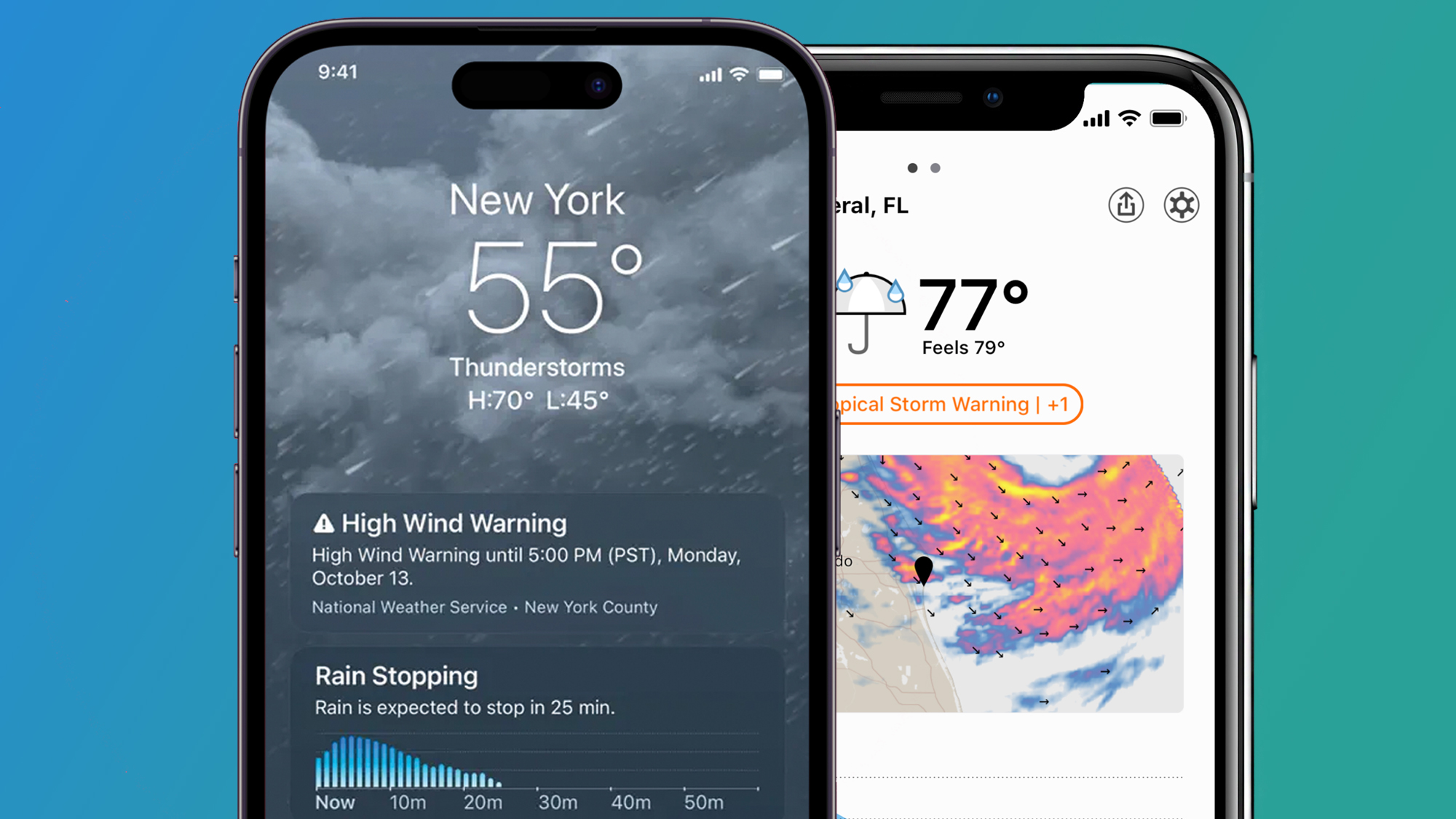
Wet weather presents a multifaceted set of challenges that impact daily travel, residential structural integrity, and personal safety. Managing conditions characterized by rain, mist, or saturated grounds requires a comprehensive understanding of hydroplaning risks, moisture infiltration prevention, and infrastructural maintenance to mitigate long-term damage and acute hazards.
Understanding Wet Weather Dynamics and Environmental Impacts
Precipitation and atmospheric moisture alter the physical environment instantly, creating conditions that demand swift behavioral and structural adaptations. Whether dealing with a persistent drizzle or a torrential downpour, water interacts with infrastructure, vehicles, and outdoor environments in predictable yet hazardous ways. Recognizing these dynamics is the first step toward effective mitigation and risk reduction.
When water accumulates on impervious surfaces such as asphalt, concrete, and compacted soil, it changes surface friction coefficients. This reduction in traction affects everything from pedestrian footing to heavy vehicular movement. Furthermore, persistent moisture accelerates material degradation through rust, wood rot, and freeze-thaw cycles if temperatures drop below freezing. Understanding how weather patterns influence local environments helps individuals and property owners anticipate vulnerabilities before they manifest as costly emergencies or safety incidents.
Atmospheric Moisture and Precipitation Types
Precipitation manifests in various forms, each carrying distinct implications for safety and property management. Rain intensity is typically measured in millimeters or inches per hour, categorizing events from light showers to heavy cloudbursts.
- Light Drizzle and Mist: While seemingly harmless, mist and light rain mix with accumulated road oils and dust to create a slick, grease-like layer on roadways, often making initial rainfall more treacherous than steady downpours.
- Steady Rain: Continuous rainfall saturates topsoils, increases runoff volumes into municipal stormwater systems, and raises local water tables.
- Heavy Downpours and Cloudbursts: High-volume precipitation overwhelms drainage capacity rapidly, leading to flash flooding, severe loss of visibility, and structural water intrusion.
Vehicular Safety and Driving in Wet Conditions
Driving during wet weather remains one of the most common high-risk activities for the general public. Reduced visibility, altered braking distances, and the threat of hydroplaning require specialized driving techniques and heightened situational awareness. Motorists must modify their operation habits to compensate for the compromised environment.
The primary hazard during wet road conditions is hydroplaning. This phenomenon occurs when a wedge of water builds up between the tires of the vehicle and the road surface, leading to a complete loss of traction. When tires can no longer displace water effectively, the vehicle loses steering and braking control. Preventing hydroplaning involves maintaining adequate tire tread depth, reducing speed significantly during heavy rain, and avoiding sudden steering or braking inputs.
Essential Driving Adjustments for Wet Roads
Adapting to wet weather behind the wheel requires adherence to established safety protocols. Implementing these practices reduces accident rates and protects vehicle occupants.
| Driving Parameter | Dry Conditions Protocol | Wet Weather Protocol | Safety Rationale |
|---|---|---|---|
| Following Distance | 3 to 4 seconds | 6 to 8 seconds | Provides extended stopping distance on slick surfaces. |
| Speed Management | Posted speed limits | Reduced by 10–15 mph | Lowers momentum and decreases hydroplaning potential. |
| Cruise Control | Permissible | Strictly prohibited | Prevents sudden acceleration if traction is momentarily lost. |
| Headlight Usage | Optional during day | Mandatory (Low beams) | Enhances vehicle visibility to other drivers. |
In addition to these tactical adjustments, drivers must ensure their vehicles are mechanically prepared. Windshield wipers should be replaced annually, tire pressure must be maintained at manufacturer specifications to ensure proper water evacuation through tread grooves, and braking systems must be inspected regularly for responsive performance.
Residential Protection: Preventing Water Intrusion
Protecting a home or commercial building from wet weather requires a proactive approach to envelope maintenance and site drainage. Water seeks the path of least resistance, exploiting minor cracks, failed seals, and poor grading to infiltrate foundations, basements, and roof spaces.
Exterior drainage systems serve as the first line of defense. Gutters and downspouts must remain clear of leaves, shingle grit, and debris to ensure rainwater is channeled away from the foundation perimeter. Downspouts should discharge water at least four to six feet away from the structure, utilizing extensions or splash blocks to prevent pooling against basement walls. Furthermore, soil grading should slope away from the foundation at a minimum rate of six inches over the first ten feet.
Roof and Envelope Maintenance
The roof assembly is continually exposed to precipitation. Regular inspections help identify vulnerabilities before leaks compromise interior finishes and structural framing.
- Shingle Integrity: Check for cracked, curled, or missing asphalt shingles that allow water to penetrate the underlayment.
- Flashing Inspection: Inspect metal flashing around chimneys, vent pipes, valleys, and skylights, as these joints are primary entry points for wind-driven rain.
- Siding and Caulking: Ensure exterior wall claddings are sealed properly around windows and doors using high-grade exterior polyurethane or silicone caulk.
- Foundation Sealing: Apply waterproofing membranes and masonry sealers to foundation walls to resist hydrostatic pressure from saturated surrounding soils.
Outdoor Recreation and Personal Protection
Engaging in outdoor activities during wet weather demands appropriate personal protective equipment (PPE) and clothing strategies to prevent hypothermia, skin irritation, and slips or falls. Water conducts heat away from the body significantly faster than air, meaning individuals can experience dangerous core temperature drops even in moderate ambient temperatures if they remain wet and exposed to wind.
Layering remains the most effective strategy for outdoor safety in wet conditions. The foundation layer should consist of moisture-wicking synthetic or merino wool fabrics that pull sweat away from the skin. The insulating middle layer traps body heat, while the outer shell must be both waterproof and breathable to block external precipitation while allowing internal perspiration to escape.
Slip and Fall Prevention on Walkways
Pedestrian safety declines sharply during wet weather, particularly on smooth indoor flooring materials, wooden decks, and exterior stone pathways. Property owners and facility managers must implement preventative measures to reduce slip-and-fall liabilities.
- Matting Systems: Install high-absorbency walk-off mats at all building entrances to capture moisture from footwear before visitors transition to smooth hard floors.
- High-Traction Surfaces: Apply anti-slip coatings, grip tape, or textured finishes to exterior steps, ramps, and wooden walkways.
- Prompt Cleanup: Address indoor puddles immediately with wet floor signs and appropriate mopping procedures to maintain safe walking corridors.
Frequently Asked Questions
What causes a car to hydroplane, and how should a driver respond?
Hydroplaning occurs when standing water on the road separates the vehicle's tires from the pavement surface, eliminating traction. If your vehicle begins to hydroplane, do not slam on the brakes or make sharp steering movements. Instead, ease your foot off the accelerator gently, hold the steering wheel straight, and allow the vehicle to slow down until the tires regain contact with the road surface.
How can I check if my home's foundation is at risk from heavy rain?
Inspect your basement or crawlspace immediately after significant rainfall for signs of moisture, such as damp walls, pooling water, or a musty odor. Check the exterior perimeter to ensure water does not pool near the foundation walls. Installing a sump pump with a battery backup system provides an additional layer of protection against rising sub-surface water tables.
Why does damp weather aggravate joint pain and arthritis?
While scientific consensus continues to evolve, medical researchers suggest that drops in barometric pressure associated with rainy or wet weather cause tendons, muscles, and scar tissue to expand and contract. This micro-movement can put additional pressure on joints affected by arthritis, resulting in heightened discomfort and stiffness.
What is the best clothing material to wear in heavy rain?
Waterproof, breathable membranes such as Gore-Tex or polyurethane-coated fabrics represent the gold standard for outer layers in heavy rain. Avoid cotton entirely, as cotton absorbs moisture quickly, retains water, and strips heat away from the body, increasing the risk of hypothermia.
How often should residential gutters be cleaned to prevent water damage?
Gutters should be cleaned at least twice a year—typically in late spring and late autumn. Homes surrounded by heavy tree foliage may require quarterly cleanings to ensure downspouts remain unobstructed and stormwater flows freely away from the structure.
Practical Next Actions
To safeguard your property and personal safety against wet weather hazards, begin with a structured assessment of your immediate environment. Inspect your vehicle's tire tread depth and wiper blades today, clear any debris from your property's exterior drainage paths and gutters, and verify that your emergency preparedness kits include reliable flashlights, waterproof gear, and basic first-aid supplies. Taking these preventative steps ensures resilience against unexpected storms and moisture-related emergencies.