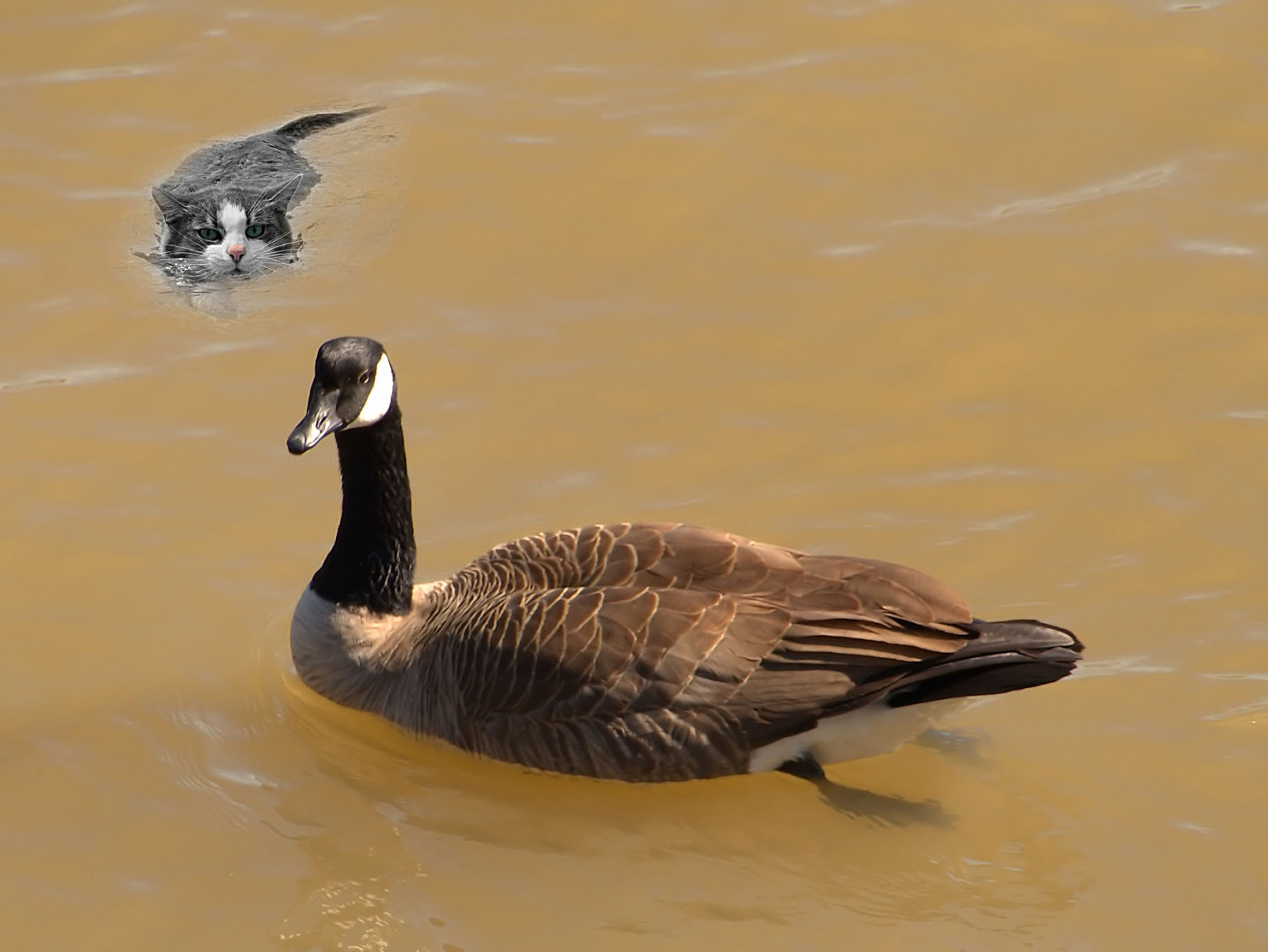
Goose chasing refers to the deliberate human effort to deter, herd, or remove nuisance populations of migratory or resident geese—most commonly Canada geese—from public parks, agricultural fields, golf courses, and residential properties. Resolving this issue safely requires a combination of ecological understanding, legal compliance, and multi-faceted deterrent techniques.
Managing nuisance geese requires a multi-layered approach because Canada geese (Branta canadensis) are federally protected in many jurisdictions, making arbitrary harm illegal. Effective goose chasing combines non-lethal deterrents such as trained border collies, visual and auditory scares, habitat modification, and legal egg addling. Property owners and municipal managers must balance human recreation and safety with wildlife regulations, implementing integrated pest management (IPM) strategies to sustainably discourage geese from settling in high-traffic turf areas.
Understanding the Ecological Context of Nuisance Geese
To understand why goose chasing is necessary, one must examine the behavioral biology of resident Canada geese. Historically, Canada geese migrated seasonally between northern breeding grounds and southern wintering areas. However, centuries of land development, the proliferation of manicured turf grass, and the creation of stormwater retention ponds have transformed urban and suburban environments into ideal, year-round habitats.
Resident geese find these environments irresistible because short, fertilized turf provides abundant nutrition, while open water bodies offer immediate escape routes from predators. Furthermore, urban environments largely lack natural predators like wolves, coyotes, or eagles, allowing goose populations to expand unchecked. As these populations grow, they create significant challenges:
- Excessive fecal accumulation on sports fields, walkways, and golf greens.
- Aggressive territorial behavior during nesting season (typically March through May).
- Water quality degradation through nutrient loading in ponds and lakes.
- Agricultural crop destruction, particularly in newly sprouted winter wheat and corn fields.
Resolving these conflicts requires moving beyond temporary fixes. Geese are creatures of habit with strong site fidelity; once they establish a territory for feeding or molting, they will continuously return unless persistent pressure convinces them the location is unsafe or inhospitable.
Legal Frameworks and Regulatory Compliance
Before initiating any goose chasing or harassment program, property managers and landowners must understand the applicable wildlife protection laws. In North America, Canada geese are protected under the Migratory Bird Treaty Act (MBTA) of 1918. Under federal law in the United States and Canada, it is illegal to capture, kill, harm, or possess migratory birds, their feathers, or their nests without specific federal and state or provincial permits.
While passive harassment—such as using noise makers, flags, or trained dogs to chase geese without touching or injuring them—is often permitted during certain times of the year without a federal depredation permit, regulations vary significantly by jurisdiction.
| Management Technique | Federal Permit Required? | Timing / Seasonal Restrictions | Notes |
|---|---|---|---|
| Hazing & Dog Chasing | Generally No (Check Local Laws) | Year-round, but restricted during nesting | Must not cause physical harm, injury, or mortality. |
| Habitat Modification | No | Year-round | Planting tall grass and reducing turf is encouraged. |
| Egg Addling / Oiling | Yes (Registration / Permit) | Spring nesting season only | Requires specific training and state/federal registration. |
| Lethal Depredation | Yes | Strictly regulated seasons/permits | Used only as a last resort after non-lethal methods fail. |
Landowners must consult the United States Fish and Wildlife Service (USFWS) or the Canadian Wildlife Service, alongside local state departments of natural resources, before deploying aggressive management tactics. Violating migratory bird laws can result in steep fines and legal penalties.
Non-Lethal Deterrents and Goose Chasing Techniques
Because lethal control is heavily regulated and often socially unacceptable in public spaces, non-lethal goose chasing and deterrence form the backbone of modern wildlife management. Success depends on persistence, variety, and integration. Relying on a single method invariably leads to habituation, where geese quickly realize the threat is hollow.
Canine Hazing Programs
Using trained border collies or similar herding breeds is one of the most effective methods for clearing large properties like golf courses and corporate campuses. Border collies prey-stalk and herd without attacking. Because dogs mimic the natural predatory threat of wolves or foxes, geese perceive them as an immediate danger.
To maximize the effectiveness of canine hazing:
- Consistency: Dogs must be deployed regularly, especially during dawn and dusk when geese feed actively.
- No Contact: Dogs must be trained never to catch, bite, or harm the birds. The goal is psychological intimidation, not physical predation.
- Water Access: Handlers should utilize watercraft or remote-controlled boats alongside dogs, as geese will often swim out to the middle of a pond to wait out a dog on land.
Visual and Auditory Scare Devices
Visual deterrents rely on sight to frighten geese, while auditory devices use sound. Both require frequent relocation to prevent birds from becoming desensitized.
- Visual Barriers: Mylar flash tape, predator eye balloons, and scarecrows can discourage geese temporarily. Laser deterrents, particularly green diode lasers used at dawn and dusk, have proven highly effective at moving roosting flocks from water bodies.
- Auditory Systems: Propane cannons, distress call recordings, and pyrotechnics (such as bangers and screamers) create loud sudden noises. However, these are often impractical in residential areas due to noise ordinances.
Remote-Controlled and Automated Deterrents
Advances in technology have introduced autonomous deterrents, including remote-controlled boats and amphibious rovers equipped with flashing lights and sirens. These devices can patrol water margins and turf areas automatically, harassing geese without requiring constant human labor.
Habitat Modification: Long-Term Prevention
Chasing geese provides immediate relief, but habitat modification ensures they do not return. Geese prefer open sightlines where they can spot predators from a distance and walk easily from grass to water. Altering these landscape features makes the property naturally unappealing.
Establishing Buffer Strips
The single most effective habitat modification is creating a tall, un-mowed vegetative buffer—typically 20 to 30 feet wide—along the shoreline of ponds and lakes.
- Planting native grasses, wildflowers, and shrubs creates a physical barrier that makes walking from water to feeding grounds difficult.
- Tall vegetation hides potential terrestrial predators, making geese feel vulnerable when nesting or resting near the water.
- Buffer strips also improve water quality by filtering fertilizer run-off and reducing erosion.
Managing Turf and Feeding Habits
Property managers should limit the use of high-nitrogen fertilizers that produce lush, highly palatable turf grass. Furthermore, signage should be erected to discourage the public from feeding waterfowl. Hand-feeding conditions geese to lose their natural fear of humans, congregating them in unnatural numbers and accelerating turf destruction.
Managing the Nesting Season: Egg Addling
During spring, resident geese establish nests and lay clutches of five to ten eggs. Left unmanaged, a small resident flock can triple in size within a single season, rendering ongoing goose chasing far more difficult. Egg addling—or oiling—is a humane and legal population control method authorized by wildlife agencies.
Egg addling involves coating the eggs with food-grade corn oil or mechanically disrupting the embryo within the first 14 days of incubation. This suffocates the developing embryo before it becomes viable. Because Canada geese are strongly attached to their nests, the adult female will continue incubating the addled eggs for the remainder of the normal incubation period (around 28 days) rather than immediately laying a replacement clutch. Once the period passes, the geese abandon the nest naturally.
Property owners engaging in egg addling must register with the appropriate federal wildlife agency, undergo basic training, and report the number of nests treated at the end of the season.
Best Practices for Implementing a Goose Management Program
Successfully managing nuisance geese requires a structured, multi-phase operational strategy. Ad-hoc attempts usually fail because geese are resilient and adaptable.
- Conduct a Population and Site Assessment: Evaluate the size of the flock, primary feeding areas, nesting locations, and flight paths. Identify why the geese are attracted to the specific property.
- Obtain Necessary Permits: Verify whether federal, state, or municipal permits are required for the intended hazing, egg addling, or relocation activities.
- Deploy Multi-Modal Deterrents: Combine active hazing (such as trained dogs or lasers) with passive visual and auditory deterrents. Rotate methods regularly to prevent habituation.
- Implement Structural Changes: Install shoreline buffer plantings, reduce fertilizer use, and eliminate artificial feeding zones.
- Monitor and Adjust: Track flock numbers over time. If geese begin returning to previously cleared areas, increase the frequency of harassment or introduce a new deterrent method.
Frequently Asked Questions
Can I legally trap and relocate nuisance Canada geese myself?
No. In almost all jurisdictions, trapping and relocating migratory birds requires specialized federal and state permits and must be performed by certified wildlife professionals. Unauthorized relocation spreads the conflict to new areas and is illegal under the Migratory Bird Treaty Act.
Do chemical repellents work for goose chasing?
Yes. Methyl anthranilate, a food-grade grape extract, is commonly sprayed onto turf grass. It makes the grass taste and smell unpleasant to geese without harming them or pets. While effective, it requires reapplication after heavy rain or mowing, making it best suited for high-value localized areas like putting greens.
Why do geese become more aggressive in the spring?
Geese are fiercely territorial during the breeding and nesting season (March through May). Ganders will aggressively defend nesting sites and flightless goslings by hissing, spreading their wings, and charging humans or pets that come too close. This behavior subsides once the goslings fledge in late summer.
How long does it take for non-lethal deterrents to work?
Results vary based on how long the geese have occupied the site. Geese with established nesting sites or multi-year habits may take several weeks of persistent, daily harassment before abandoning the location. New flocks visiting transiently will typically move on after a few days of consistent pressure.
Conclusion and Next Actions
Managing nuisance geese through structured goose chasing and environmental modification requires patience, consistency, and compliance with wildlife regulations. Relying solely on short-term fixes will yield only temporary relief. Property managers should begin by auditing their site's vulnerabilities, consulting local wildlife authorities regarding permit requirements, and investing in a combination of trained canine hazing, shoreline buffer zones, and legal egg addling to achieve sustainable, long-term control.